BLOG ARTICLES

The RCM Guide for Healthcare
Providers in the USA

April 27, 2026

Healthcare providers across New York face mounting challenges with complex billing requirements, evolving payer regulations, and increasing administrative burdens. Medical billing companies in New York have emerged as essential partners, enabling practices to focus on patient care while ensuring accurate reimbursements and financial stability. The state's unique regulatory environment, combined with diverse payer mixes including Medicaid, Workers' Compensation, and commercial insurance, creates a landscape where specialized revenue cycle management expertise becomes invaluable. Understanding what these companies offer and how to select the right partner can transform a practice's financial performance.

The Unique Landscape of Medical Billing in New York

New York's healthcare billing environment presents distinct challenges that set it apart from other states. The combination of state-specific Medicaid regulations, Workers' Compensation requirements, and local payer policies demands specialized knowledge that many practices find difficult to maintain in-house.

Medical billing companies in New York must navigate a complex web of regulations, including strict documentation requirements and coding standards that differ from federal guidelines. The state's Medicaid program, one of the largest in the nation, has unique billing protocols and reimbursement structures that require expertise to maximize collections.

New York medical billing regulatory landscape

State-Specific Billing Considerations

Several factors make New York's billing landscape particularly challenging:

  • Medicaid complexity: New York Medicaid includes multiple managed care plans with varying authorization and billing requirements
  • Workers' Compensation regulations: Specific fee schedules and documentation standards that differ significantly from other coverage types
  • No-fault insurance: Auto accident-related claims follow unique protocols under New York's no-fault insurance laws
  • Prior authorization mandates: Many procedures require pre-approval through state-specific systems

According to recent industry analysis on New York medical billing challenges, providers must understand nuanced payer regulations to avoid claim denials and payment delays. This complexity has driven many practices to seek external expertise.

Billing Challenge Impact on Practices Solution Required
State Medicaid variations Delayed reimbursements Specialized knowledge of NY Medicaid
Workers' Comp complexity Higher denial rates Expertise in fee schedules
Prior authorization delays Treatment interruptions Efficient authorization management
Payer-specific requirements Administrative burden Comprehensive payer knowledge

Core Services Provided by Medical Billing Companies

Comprehensive revenue cycle management encompasses multiple interconnected processes. Medical billing companies in New York typically offer integrated services designed to optimize each stage of the billing cycle.

Claims Processing and Submission

Professional claims processing requires meticulous attention to coding accuracy, documentation requirements, and payer-specific submission protocols. Medical claim submission services ensure that claims are submitted correctly the first time, reducing the likelihood of denials or payment delays.

Effective claims submission includes:

  1. Accurate coding: Applying correct ICD-10, CPT, and HCPCS codes based on clinical documentation
  2. Electronic submission: Utilizing clearinghouses and direct payer portals for efficient transmission
  3. Clean claim focus: Scrubbing claims before submission to identify potential errors
  4. Timely filing: Ensuring claims are submitted within payer-specific deadlines

Insurance Verification and Eligibility

Eligibility verification services represent a critical first step in the revenue cycle. Verifying patient insurance coverage before services are rendered prevents downstream billing issues and reduces the risk of unpaid claims.

Real-time verification includes checking coverage status, identifying co-payments and deductibles, confirming benefit limitations, and verifying authorization requirements. This proactive approach minimizes billing surprises and improves patient satisfaction.

Denial Management and Appeals

Even with careful claim preparation, denials occur. The denial management process requires systematic analysis to identify root causes and implement corrective actions.

Medical billing companies in New York employ dedicated denial management teams that analyze rejection patterns, prepare compelling appeals with supporting documentation, track appeal status through resolution, and implement process improvements to prevent recurring denials. Research shows that effective denial management directly improves cash flow by recovering revenue that might otherwise be written off.

Technology and Automation in Medical Billing

The medical billing industry is experiencing significant transformation through technology adoption. Automation and artificial intelligence are reshaping how billing companies process claims and manage revenue cycles.

Automation Trends

According to the 2026 state of medical billing industry report, automation has become essential for managing increasing claim volumes while maintaining accuracy. Billing companies leverage automation for eligibility verification, claims scrubbing, payment posting, and denial pattern analysis.

Advanced systems now incorporate machine learning algorithms that identify coding errors before submission, predict denial likelihood based on historical data, automate routine correspondence with payers, and optimize workflow distribution among billing staff.

Medical billing automation workflow

Emerging Technologies

Research on Symphony for Medical Coding demonstrates how artificial intelligence systems are being developed for scalable and explainable medical coding. These innovations promise to enhance accuracy while reducing manual coding time.

Similarly, generative AI applications for surgical billing show how specialized AI can handle complex coding scenarios in specific medical specialties. These technological advances enable medical billing companies in New York to deliver higher accuracy and faster processing times.

Compliance and HIPAA Requirements

Regulatory compliance represents a non-negotiable aspect of medical billing operations. Billing companies must maintain strict adherence to HIPAA privacy and security rules, state-specific billing regulations, payer contract requirements, and federal fraud and abuse laws.

HIPAA Compliance Standards

Professional billing companies implement comprehensive safeguards including:

  • Physical security: Secure facilities with controlled access
  • Technical safeguards: Encrypted data transmission and storage
  • Administrative controls: Staff training and documented policies
  • Business associate agreements: Formal contracts outlining compliance responsibilities

The 2026 medical billing industry trends emphasize that compliance complexity continues to increase, making it essential for billing companies to maintain robust compliance programs.

Audit Preparedness

Regular internal audits help identify potential compliance gaps before they become serious issues. Billing companies should conduct coding accuracy reviews, documentation completeness checks, billing pattern analysis, and payer contract compliance verification.

Selecting the Right Medical Billing Partner

Choosing a medical billing company requires careful evaluation of multiple factors. Practices should assess capabilities, experience, and cultural fit to ensure a successful partnership.

Evaluation Criteria

Factor What to Look For Why It Matters
Specialty expertise Experience with your specific medical specialty Coding and billing requirements vary significantly by specialty
Technology platform Modern, integrated systems with reporting capabilities Impacts efficiency and visibility into financial performance
Compliance record Clean audit history and robust compliance programs Protects your practice from regulatory risk
Communication style Transparent reporting and responsive support Ensures alignment and quick issue resolution
Pricing structure Clear, predictable pricing with defined services Prevents unexpected costs and budget surprises

Questions to Ask Prospective Billing Companies

During the evaluation process, practices should inquire about specific performance metrics, staff qualifications and turnover rates, technology investments and capabilities, disaster recovery and business continuity plans, and references from similar practices.

Understanding why NYC healthcare practices are outsourcing their medical billing provides context for this decision-making process and highlights common motivations.

Performance Metrics and Accountability

Effective partnerships with medical billing companies in New York require clear performance expectations and regular monitoring. Establishing key performance indicators (KPIs) ensures accountability and enables continuous improvement.

Critical Billing Metrics

Practices should track several essential metrics:

  1. Clean claim rate: Percentage of claims accepted on first submission
  2. Days in accounts receivable: Average time from service to payment
  3. Collection rate: Percentage of expected reimbursement actually collected
  4. Denial rate: Percentage of claims initially denied
  5. Net collection rate: Collections divided by expected contractual reimbursement

Understanding what ERA in medical billing means helps practices leverage electronic remittance advice for faster payment reconciliation and improved accuracy.

Reporting and Transparency

Quality billing companies provide comprehensive reporting dashboards, regular performance reviews, transparent communication about challenges, and proactive recommendations for improvement. Reporting and analytics capabilities enable practices to make data-driven decisions about their revenue cycle.

Specialty-Specific Billing Considerations

Different medical specialties face unique billing challenges. Medical billing companies in New York often develop specialized expertise to address these nuances effectively.

Specialty-specific medical billing requirements

Primary Care Billing

Primary care practices navigate complex preventive care billing, including annual wellness visit CPT codes by age, chronic care management codes, and value-based payment models. Billing companies must understand modifier usage for preventive services billed with problem-focused visits.

Specialty Practice Requirements

Specialized practices require billing expertise tailored to their procedures and common payer policies. For instance, cardiology medical billing involves complex cardiac procedures, diagnostic testing codes, and multiple procedure payment reductions that demand specific coding knowledge.

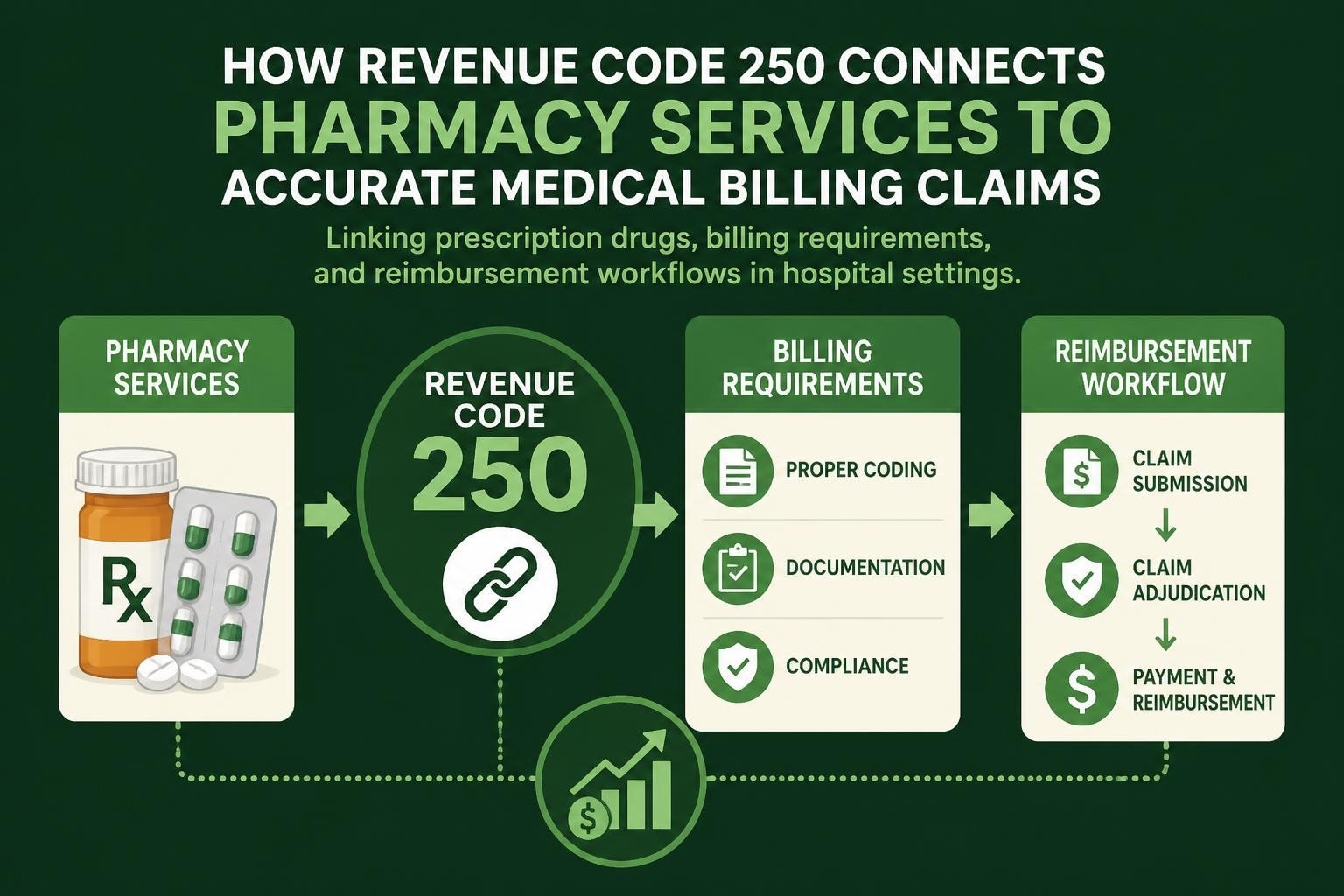
Surgical specialties benefit from understanding revenue codes in medical billing for facility billing alongside professional fee coding. The intersection of digital health services with traditional billing creates additional complexity, as explored in reimbursement billing code analysis.

Cost Structures and Return on Investment

Understanding billing company pricing models helps practices evaluate the financial impact of outsourcing. Medical billing companies in New York typically offer several pricing approaches, each with distinct advantages.

Common Pricing Models

Percentage of collections: Most common model, typically ranging from 4% to 10% of collected revenue. This aligns the billing company's success with the practice's financial performance.

Flat fee per claim: Fixed price per claim submitted, providing predictable costs regardless of claim value. This works well for practices with consistent claim volumes and values.

Monthly retainer: Fixed monthly fee for comprehensive services. Offers budget predictability but may not align incentives as directly as percentage-based models.

Calculating ROI

Practices should evaluate total cost savings from reduced staff overhead, increased collections from improved processes, reduced denial rates and faster reimbursement, and improved compliance reducing audit risk. Many practices find that professional billing services not only pay for themselves but significantly improve overall financial performance.

The Future of Medical Billing in New York

The medical billing landscape continues to evolve rapidly. Several trends are shaping the future of how medical billing companies in New York operate and deliver value.

Value-Based Care Integration

The transition from fee-for-service to value-based reimbursement models requires billing companies to track quality metrics alongside traditional billing data. This includes monitoring patient outcomes, coordinating care across providers, managing risk-based contracts, and reporting quality measures to payers.

Blockchain and Security Innovations

Emerging technologies like blockchain offer potential solutions for billing claims management, as discussed in blockchain applications in healthcare. While still evolving, these technologies promise enhanced security, reduced fraud, and streamlined claims processing.

Patient Financial Experience

Modern billing companies increasingly focus on the patient payment experience, including transparent cost estimates before services, convenient payment options and plans, clear, understandable billing statements, and compassionate collections approaches.

Transitioning to a New Billing Company

Successfully transitioning billing operations requires careful planning and execution. Practices should follow a structured approach to minimize disruption and ensure continuity.

Transition Planning Steps

  1. Document current processes: Create detailed documentation of existing workflows
  2. Set clear timelines: Establish realistic milestones for each transition phase
  3. Coordinate data migration: Ensure complete transfer of patient and billing records
  4. Train staff: Prepare your team for new processes and communication channels
  5. Monitor closely: Track performance metrics carefully during initial months

The transition period typically spans 60-90 days, during which practices should expect frequent communication and potential adjustments as systems and processes are refined.

Risk Mitigation

Protecting revenue during transition requires maintaining backup access to previous systems, closely monitoring days in accounts receivable, verifying successful claim submission to all payers, and maintaining clear communication channels with the billing company.

Integration with Practice Management Systems

Seamless integration between billing operations and practice management systems ensures efficiency and accuracy. Medical billing companies in New York must work effectively with various software platforms commonly used by healthcare providers.

Software Compatibility

Understanding top medical billing software options helps practices appreciate how billing companies adapt to different technological environments. Professional billing services maintain expertise across multiple platforms and can work within existing practice systems.

This flexibility allows practices to maintain their preferred workflows while benefiting from specialized billing expertise. The billing company's staff learns the practice's system rather than forcing the practice to adopt new technology.


Navigating New York's complex medical billing environment requires specialized expertise, advanced technology, and unwavering attention to compliance. Medical billing companies in New York provide healthcare providers with comprehensive revenue cycle management that improves financial performance while reducing administrative burden. Whether you're struggling with claim denials, seeking to optimize collections, or simply looking to refocus staff time on patient care, partnering with experienced billing professionals delivers measurable results. Greenhive Billing Solutions offers tailored revenue cycle management services that combine industry expertise with transparent communication, helping practices across the United States maximize reimbursements and streamline operations.

April 26, 2026

The revenue cycle management process represents the financial backbone of every healthcare organization, yet many providers struggle to optimize this critical workflow. Understanding the rcm cycle healthcare framework enables medical practices to maximize reimbursements, reduce claim denials, and maintain healthy cash flow. This comprehensive guide explores each stage of the revenue cycle, identifies common challenges, and provides actionable strategies that healthcare providers can implement to improve their financial performance.

Understanding the Fundamental Stages of RCM Cycle Healthcare

The rcm cycle healthcare encompasses all administrative and clinical functions that contribute to capturing, managing, and collecting patient service revenue. According to the Healthcare Financial Management Association, this process begins before a patient enters your facility and continues until all claims are fully adjudicated and paid.

Pre-Service Activities That Set the Foundation

Patient registration represents the first critical touchpoint in the revenue cycle. During this phase, your staff collects demographic information, insurance details, and medical history. Accuracy at this stage directly impacts downstream processes.

Insurance verification and eligibility confirmation must occur before services are rendered. This step prevents claim denials related to inactive coverage or incorrect policy information. When your team verifies benefits in advance, they can also determine:

  • Patient financial responsibility including deductibles and copayments
  • Coverage limitations and exclusions
  • Prior authorization requirements for specific procedures
  • Out-of-network status and associated implications

Prior authorization has become increasingly complex, requiring dedicated staff resources. Healthcare Finance News reports that authorization delays significantly impact revenue cycle performance across all practice sizes.

Financial counseling during pre-service activities helps patients understand their payment obligations. Transparent conversations about costs improve collection rates and patient satisfaction simultaneously.

Revenue cycle pre-service workflow

Service Delivery and Clinical Documentation Excellence

Clinical encounters generate the documentation that supports medical billing and coding. The quality and completeness of this documentation determine reimbursement levels and compliance with regulatory standards.

Charge Capture and Code Assignment

Charge capture ensures that all billable services are recorded accurately. Missing charges represent lost revenue that many practices never recover. Implementing systematic charge entry in medical billing processes minimizes revenue leakage.

Medical coding translates clinical documentation into standardized codes using CPT, ICD-10, and HCPCS systems. Professional coders must possess current knowledge of coding guidelines and payer-specific requirements. Understanding different types of medical coding helps providers select appropriate expertise for their specialty.

Coding System Primary Purpose Update Frequency
CPT Procedures and services Annual
ICD-10-CM Diagnoses Annual
HCPCS Level II Supplies and equipment Quarterly
Revenue Codes Hospital billing categories As needed

Compliance with coding regulations protects practices from audit risk and payment clawbacks. The connection between clinical documentation and code selection requires ongoing education for both clinical and billing staff.

Claims Management and Submission Protocols

Clean claims submission represents a critical efficiency metric within the rcm cycle healthcare framework. A clean claim in medical billing contains no errors or missing information that would trigger automatic rejection.

Claim Scrubbing and Quality Checks

Automated claim scrubbing identifies potential errors before submission to payers. These systems check for:

  • Missing or invalid National Provider Identifier (NPI) numbers
  • Incorrect date formats or service date logic errors
  • Diagnosis and procedure code compatibility issues
  • Duplicate claim submissions

Manual review processes supplement automated scrubbing for complex claims or high-value services. This dual-layer approach significantly reduces rejection rates.

Electronic claim submission through clearinghouses accelerates the payment cycle compared to paper submissions. Most payers now require electronic transactions, making EDI infrastructure essential for modern practices.

Tracking claim status from submission through adjudication prevents delays and identifies problems early. Many billing systems integrate real-time eligibility and claim status checking capabilities.

Claims processing workflow

Payment Posting and Reconciliation Procedures

Accurate payment posting maintains the integrity of your practice's financial records. This stage of the rcm cycle healthcare requires attention to detail and systematic processes that match payments to specific claims and patient accounts.

Electronic Remittance Advice Processing

Understanding what is ERA in medical billing revolutionizes payment posting efficiency. Electronic Remittance Advice files contain detailed payment information that can be automatically posted to practice management systems.

Payment variances require investigation and proper accounting. The most common payment adjustments include:

  1. Contractual adjustments reflecting negotiated rate differences between billed charges and allowed amounts
  2. Deductible and coinsurance amounts transferred to patient responsibility
  3. Coordination of benefits adjustments when multiple payers cover services
  4. Timely filing denials when claims exceed submission deadlines

Learning why contractual adjustment in medical billing remains essential helps staff accurately process payer payments and maintain compliant accounting practices.

Reconciliation processes ensure that all payments are properly allocated and that accounts receivable aging reports reflect accurate outstanding balances. Regular reconciliation identifies discrepancies early, preventing larger problems from developing.

Denial Management and Appeals Strategy

Denial management represents one of the most significant opportunities for revenue recovery within the rcm cycle healthcare framework. TechTarget’s analysis of healthcare RCM emphasizes that effective denial management can recover 60-90% of denied claims when processes are optimized.

Root Cause Analysis and Prevention

Tracking denial reasons provides actionable data for process improvement. Common denial categories include:

  • Registration and eligibility errors
  • Authorization and precertification failures
  • Coding and documentation deficiencies
  • Timely filing violations
  • Medical necessity determinations

Implementing denial management in medical billing processes that focus on prevention rather than just correction yields better financial outcomes. Prevention strategies target the root causes identified through denial analysis.

Denial Type Primary Cause Prevention Strategy
Registration errors Incomplete patient data Real-time verification systems
Authorization denials Missing pre-approvals Automated tracking workflows
Coding errors Documentation gaps Provider education programs
Medical necessity Insufficient support Enhanced clinical documentation

Appeals require timely submission with supporting documentation that addresses the specific denial reason. Successful appeals staff understand payer policies, coverage guidelines, and effective communication strategies.

Patient Financial Responsibility and Collections

Patient responsibility has grown substantially as high-deductible health plans become more prevalent. Effective patient collections require a balanced approach that maintains positive relationships while securing payment.

Point-of-Service Collections

Collecting payments at the time of service significantly improves collection rates compared to billing after services are rendered. Staff training on financial conversations helps team members discuss payment expectations professionally and compassionately.

Price transparency regulations now require providers to offer good-faith estimates for services. Providing accurate cost information upfront builds trust and facilitates payment discussions.

Payment plan options make healthcare more accessible while ensuring revenue collection. Establishing clear policies for:

  • Minimum monthly payment amounts
  • Interest rates and finance charges (where applicable)
  • Default and write-off thresholds
  • Third-party financing partnerships

Self-service payment portals improve convenience for patients and reduce administrative burden on staff. Online payment options should include multiple payment methods and provide receipts automatically.

Patient collections workflow

Technology Integration Across the Revenue Cycle

Modern rcm cycle healthcare depends on integrated technology platforms that connect clinical and financial systems. Interoperability between your electronic health record (EHR), practice management system, and billing platform eliminates redundant data entry and reduces errors.

Analytics and Performance Monitoring

Revenue cycle analytics provide visibility into performance metrics that drive decision-making. Key performance indicators include:

  1. Days in accounts receivable measuring the average time from service to payment
  2. Clean claim rate indicating the percentage of claims accepted on first submission
  3. Collection rate showing the percentage of expected revenue actually collected
  4. Denial rate tracking the percentage of claims denied by payers
  5. Cost to collect measuring the operational expense per dollar collected

Dashboard reporting delivers real-time insights that enable proactive management rather than reactive problem-solving. Understanding healthcare revenue cycle analytics helps practices identify trends and opportunities.

Artificial intelligence and machine learning applications now assist with coding validation, denial prediction, and payment estimation. These technologies augment human expertise rather than replacing the judgment and relationship skills that experienced revenue cycle professionals provide.

Compliance and Regulatory Considerations

HIPAA compliance governs every aspect of the rcm cycle healthcare process. Protected health information (PHI) security requirements apply to billing communications, payment posting, collections activities, and all other revenue cycle functions.

Documentation and Audit Preparedness

Maintaining comprehensive audit trails protects practices during payer audits and regulatory reviews. Documentation requirements include:

  • Medical necessity support for all billed services
  • Signed advance beneficiary notices (ABNs) when applicable
  • Authorization approvals and supporting correspondence
  • Appeal submissions and outcomes
  • Collection activity logs demonstrating compliance with Fair Debt Collection Practices Act

Regular internal audits identify compliance risks before external auditors discover them. Proactive compliance programs cost significantly less than post-audit remediation and penalties.

Payer contract compliance ensures that your billing practices align with negotiated terms. Contract management systems help track multiple payer agreements, fee schedules, and special billing requirements.

Staff Training and Revenue Cycle Expertise

The human element remains central to effective revenue cycle management despite technological advances. Staff expertise directly impacts financial performance across all stages of the rcm cycle healthcare process.

Continuous Education Requirements

Medical billing regulations, coding guidelines, and payer policies change frequently. Ongoing education keeps staff current with:

  • Annual CPT and ICD-10 updates
  • New payer coverage policies
  • Emerging compliance requirements
  • Technology platform enhancements

Professional certifications demonstrate competency and commitment to excellence. Certified Professional Coders (CPC), Certified Revenue Cycle Representatives (CRCR), and other credentials validate specialized knowledge.

Cross-training team members across multiple revenue cycle functions builds organizational resilience and improves process understanding. Staff who comprehend how their work impacts downstream activities make better decisions and collaborate more effectively.

Optimizing Revenue Cycle Performance for Specialty Practices

Different medical specialties face unique revenue cycle challenges that require tailored approaches. Surgical practices manage complex authorization requirements and bundled payment arrangements. Primary care practices handle high patient volumes with diverse payer mixes. Behavioral health providers navigate medical billing for behavioral health complexities including carve-out benefits and session limits.

Specialty-Specific Considerations

Understanding your specialty's particular challenges enables targeted process improvements. For instance, urgent care revenue cycle management requires rapid charge capture and billing for walk-in patients with unknown insurance status.

Ambulatory surgery centers coordinate facility and professional billing while managing complex implant and supply charges. Hospital-based practices navigate place-of-service coding rules and split-billing arrangements.

Telemedicine has introduced new billing scenarios with evolving coverage policies and technology requirements. Staying current with telehealth billing regulations ensures compliant claims and appropriate reimbursement.

Specialty Key RCM Challenge Mitigation Strategy
Surgery Authorization complexity Dedicated pre-cert staff
Primary Care High volume processing Workflow automation
Behavioral Health Carve-out benefits Specialized verification
Urgent Care Unknown insurance Point-of-service verification

Strategic Partnerships and Outsourcing Decisions

Many healthcare providers partner with specialized revenue cycle management companies to enhance performance while allowing clinical staff to focus on patient care. Evaluating revenue cycle billing service providers requires careful consideration of expertise, technology, transparency, and cultural fit.

Building Effective RCM Partnerships

Successful outsourcing relationships begin with clear expectations and detailed service level agreements. Define specific performance metrics, reporting requirements, communication protocols, and escalation procedures.

Technology integration capabilities determine how seamlessly an RCM partner can work with your existing systems. API connections, data exchange formats, and reporting dashboards should align with your operational needs.

Transparency in processes and pricing builds trust and enables effective collaboration. Understanding how your RCM partner operates, makes decisions, and handles exceptions ensures alignment with your practice values and standards.

Regular performance reviews keep partnerships productive and identify improvement opportunities. Quarterly business reviews should examine metrics, discuss challenges, celebrate successes, and plan strategic initiatives.


Mastering the rcm cycle healthcare process requires ongoing attention to people, processes, and technology across every stage from patient registration through final payment collection. When you optimize each component and ensure seamless integration between stages, your practice achieves better financial performance, reduced administrative burden, and improved patient satisfaction. Greenhive Billing Solutions provides comprehensive revenue cycle management services that address every aspect of this complex process, from insurance verification and claims processing through denial management and patient collections, helping healthcare providers across the United States maximize reimbursements while maintaining HIPAA compliance and operational efficiency.

April 25, 2026

Medical invoicing serves as the financial backbone of healthcare practices, directly impacting cash flow, operational efficiency, and patient satisfaction. This critical process encompasses far more than simply generating bills-it requires precise documentation, accurate coding, thorough insurance verification, and meticulous claim submission. For healthcare providers navigating an increasingly complex regulatory landscape, mastering medical invoicing fundamentals has become essential to maintaining financial stability while delivering quality patient care.

Understanding the Medical Invoicing Landscape

Medical invoicing represents a multifaceted process that bridges clinical services and financial reimbursement. The process begins the moment a patient schedules an appointment and continues through payment collection and reconciliation. Unlike standard commercial invoicing, healthcare billing requires adherence to strict regulatory frameworks, including HIPAA compliance, payer-specific requirements, and ever-evolving coding standards.

Healthcare providers face mounting pressure to optimize their revenue cycle management while managing increasing administrative burdens. Clean claim rates-the percentage of claims processed without requiring additional information-directly correlate with practice profitability. Research indicates that practices with higher clean claim rates experience faster reimbursements and reduced administrative overhead.

The Financial Impact of Accurate Medical Invoicing

Revenue leakage represents one of the most significant challenges facing healthcare organizations today. Even minor errors in medical invoicing can cascade into substantial financial losses over time. Denied claims consume valuable staff resources, delay payments, and sometimes result in complete write-offs.

The relationship between accurate medical invoicing and practice sustainability cannot be overstated. When claims are submitted correctly the first time, practices experience improved cash flow predictability, reduced days in accounts receivable, and enhanced patient satisfaction through transparent billing processes.

Medical invoicing error impact

Essential Components of Effective Medical Invoicing

Successful medical invoicing relies on several interconnected elements that must function seamlessly together. Understanding these components helps practices identify potential weak points in their current processes and implement targeted improvements.

Patient Information Verification

Accurate patient demographic and insurance information forms the foundation of clean claims. Before any services are rendered, front-office staff must verify and document:

  • Complete patient name matching insurance card exactly
  • Current address and contact information
  • Active insurance coverage with correct policy numbers
  • Primary and secondary insurance hierarchy
  • Coordination of benefits requirements

Eligibility verification services reduce claim rejections by confirming coverage details before appointment dates. Real-time verification systems can identify coverage issues that might otherwise result in denied claims weeks after service delivery.

Precise Medical Coding

Medical coding translates clinical services into standardized codes used for billing purposes. This process requires specialized knowledge of multiple coding systems:

Coding System Purpose Example
CPT Codes Procedures and services 99213 – Office visit
ICD-10 Codes Diagnoses and conditions E11.9 – Type 2 diabetes
HCPCS Codes Supplies and equipment A4253 – Blood glucose meter
Modifiers Additional service details 25 – Significant E/M service

Staying current with annual coding updates prevents claim denials based on outdated or discontinued codes. The best practices to increase medical billing and coding accuracy emphasize continuous education and regular auditing as crucial components of coding excellence.

Five Critical Steps for Medical Invoicing Success

Implementing a systematic approach to medical invoicing dramatically improves outcomes. These five steps create a framework that minimizes errors while maximizing efficiency.

Step 1: Comprehensive Pre-Service Preparation

Before patient encounters, practices should complete thorough preparation. This includes verifying insurance eligibility, confirming prior authorization requirements, and collecting patient financial responsibilities. Understanding coverage limitations prevents surprise denials and improves patient communication regarding expected costs.

Many denials stem from services requiring prior authorization that was never obtained. Creating protocols around authorization tracking ensures compliance with payer requirements and protects revenue.

Step 2: Accurate Documentation at Point of Service

Clinical documentation must support the codes billed. Providers should document all services rendered with sufficient detail to justify the level of service coded. Proper coding practices require alignment between clinical notes and billing codes to withstand potential audits.

Electronic health record systems should facilitate documentation that naturally supports accurate coding. Templates and prompts can guide providers toward comprehensive documentation without adding excessive administrative burden.

Step 3: Timely Claim Submission

Submitting claims promptly after service delivery accelerates payment cycles. Most payers impose filing deadlines, typically ranging from 90 to 365 days from the date of service. Missing these deadlines results in automatic claim denials that cannot be appealed.

Medical claim submission services ensure claims are transmitted within payer timeframes using electronic submission methods that provide immediate acknowledgment of receipt. Batch processing claims daily rather than weekly significantly improves cash flow timing.

Medical invoicing timeline

Step 4: Proactive Denial Management

Even with excellent processes, some claim denials are inevitable. The difference between successful and struggling practices lies in how they respond to denials. Establishing dedicated denial management services ensures rejected claims receive immediate attention.

Tracking denial patterns reveals systemic issues requiring process improvements. Common denial categories include:

  • Registration errors
  • Coding inaccuracies
  • Missing or insufficient documentation
  • Timely filing violations
  • Coordination of benefits issues

Step 5: Regular Performance Monitoring

What gets measured gets managed. Practices should track key performance indicators related to medical invoicing:

  • Clean claim rate
  • Days in accounts receivable
  • Collection rate
  • Denial rate by category
  • Appeal success rate
  • Net collection percentage

These metrics reveal process strengths and weaknesses, guiding continuous improvement efforts. Benchmarking against industry standards provides context for performance evaluation.

Compliance Considerations in Medical Invoicing

Regulatory compliance represents a non-negotiable aspect of medical invoicing. Healthcare providers must navigate complex federal and state regulations while meeting payer-specific requirements. The consequences of non-compliance extend beyond financial penalties to include potential legal liability and reputational damage.

HIPAA Requirements

Patient privacy protections under HIPAA apply throughout the medical invoicing process. Practices must implement safeguards protecting patient information during transmission, storage, and disposal. Electronic claim submissions require secure transmission methods, and paper documentation demands secure storage and compliant destruction procedures.

UCI Health’s billing compliance standards demonstrate institutional commitment to ethical billing practices. Healthcare organizations should establish comprehensive compliance programs addressing all aspects of medical invoicing.

Documentation Standards

Medical necessity documentation supports every claim submitted. Payers may request medical records during claim review, and insufficient documentation results in claim denials or recoupments. Documentation should clearly establish:

  • Medical necessity for services rendered
  • Appropriate level of service provided
  • Clinical rationale for diagnostic testing
  • Treatment plan supporting continued care

The medical billing compliance checklist provides structured guidance for maintaining audit-ready documentation practices. Regular internal audits identify documentation gaps before external auditors discover them.

Technology's Role in Modern Medical Invoicing

Technology has transformed medical invoicing from a paper-intensive process to a streamlined digital workflow. Modern practice management systems integrate multiple functions, reducing manual data entry and associated errors.

Electronic health records connected to billing systems eliminate duplicate data entry while ensuring clinical documentation aligns with submitted codes. Automated scrubbing tools identify potential claim errors before submission, preventing denials.

Selecting the Right Technology Solutions

Healthcare providers seeking medical billing software should evaluate solutions based on several criteria:

Feature Importance Consideration
EHR Integration Critical Seamless data flow between clinical and billing systems
Claim Scrubbing High Identifies errors before submission
Reporting Capabilities High Tracks KPIs and identifies trends
Payer Connectivity Critical Electronic claim submission to multiple payers
User Interface Medium Impacts staff efficiency and training requirements

Many successful practices partner with revenue cycle management service providers who bring expertise with multiple software platforms. These partnerships allow practices to focus on clinical care while experienced professionals handle medical invoicing complexities.

Medical invoicing technology integration

Common Medical Invoicing Mistakes and Prevention Strategies

Understanding frequent errors helps practices implement preventive measures. The most costly mistakes often stem from seemingly minor oversights that compound over time.

Patient Information Errors

Incorrect patient demographics account for a significant percentage of claim denials. Simple typos in names, transposed policy numbers, or outdated addresses trigger automatic rejections. Avoiding mistakes in medical invoices begins with rigorous front-end verification processes.

Implementing double-verification protocols where staff confirm patient information against insurance cards reduces these preventable errors. Photo documentation of insurance cards provides reference material when questions arise during claim processing.

Coding Errors

Unbundling services that should be billed together, using outdated codes, or selecting codes that don't match documented diagnoses create claim complications. Regular training on coding updates keeps staff informed about changes affecting medical invoicing accuracy.

Automated code checking systems flag potential coding conflicts before claim submission. These tools identify impossible code combinations, age-gender conflicts, and other common coding mistakes.

Incomplete Claims

Missing information delays processing even when other claim elements are accurate. Common omissions include:

  • Referring provider information
  • Place of service codes
  • Required attachments or documentation
  • Prior authorization numbers
  • Coordination of benefits details

Creating claim submission checklists specific to different service types ensures completeness. Staff should verify all required fields are populated before releasing claims to clearinghouses.

Optimizing Patient Communication Around Medical Invoicing

Transparent patient communication about financial responsibilities improves collection rates and patient satisfaction. Confusion about charges, insurance coverage, and patient responsibility frequently leads to delayed payments and strained provider-patient relationships.

Providing cost estimates before services whenever possible allows patients to make informed decisions. While precise estimates prove challenging given insurance variables, ranges based on typical coverage help patients prepare financially.

Clear, itemized statements that patients can easily understand reduce billing inquiries. Avoiding excessive medical jargon and providing plain-language explanations of charges improves comprehension. Many practices find that medical billing best practices include multiple patient communication touchpoints throughout the billing cycle.

Payment Options and Financial Policies

Establishing clear financial policies communicated consistently to all patients creates predictability. These policies should address:

  • Payment expectations at time of service
  • Accepted payment methods
  • Payment plan availability
  • Financial assistance programs
  • Collection procedures for delinquent accounts

Offering multiple payment options, including online portals and automated payment plans, accommodates diverse patient preferences and improves collection rates.

Staff Training and Development for Medical Invoicing Excellence

Investing in staff education yields significant returns in medical invoicing performance. The healthcare payment landscape evolves constantly, requiring ongoing learning to maintain proficiency.

Comprehensive onboarding for new billing staff should cover organizational-specific workflows alongside fundamental medical invoicing principles. Pairing new employees with experienced mentors accelerates skill development while reducing costly errors.

Regular continuing education keeps teams current on regulatory changes, payer policy updates, and emerging best practices. Medical billing compliance knowledge requires consistent reinforcement as requirements evolve.

Cross-training staff across multiple revenue cycle functions creates operational flexibility and deeper understanding of how individual roles impact overall performance. Staff who understand the complete medical invoicing workflow make more informed decisions in their specific responsibilities.

Integration of Medical Invoicing Across the Revenue Cycle

Medical invoicing doesn't exist in isolation but rather as one component of comprehensive revenue cycle management. Understanding these connections optimizes the entire financial process from patient scheduling through final payment reconciliation.

Front-end revenue cycle activities directly impact medical invoicing success. Insurance verification, authorization management, and financial counseling prevent downstream billing complications. Payment posting services connect the billing process to financial reconciliation, identifying underpayments and processing refunds when appropriate.

Denial management feeds insights back to earlier revenue cycle stages, creating continuous improvement loops. When denials reveal consistent authorization issues, front-office protocols can be adjusted to prevent future occurrences.

Metrics That Connect Medical Invoicing to Overall Performance

Tracking integrated metrics reveals how medical invoicing impacts broader organizational objectives:

  • Net collection rate measuring total payments against total charges
  • Cost to collect indicating efficiency of revenue cycle operations
  • Point-of-service collection percentage showing front-end effectiveness
  • Bad debt write-off rates identifying uncollectible accounts

These comprehensive metrics provide context beyond simple claim acceptance rates, connecting medical invoicing quality to financial sustainability.

Future Trends Shaping Medical Invoicing

The medical invoicing landscape continues evolving driven by technological advancement, regulatory changes, and shifting payment models. Forward-thinking practices prepare for these emerging trends.

Artificial intelligence and machine learning increasingly support medical invoicing processes through predictive analytics that identify high-risk claims, automated coding suggestions based on clinical documentation, and intelligent denial prediction. These technologies augment human expertise rather than replacing experienced professionals.

Value-based payment models shift focus from volume to outcomes, changing traditional medical invoicing approaches. Practices participating in bundled payments, accountable care organizations, or other alternative payment models must adapt billing processes to new reimbursement methodologies.

Patient financial responsibility continues growing with high-deductible health plans becoming more prevalent. This trend requires enhanced patient engagement strategies around medical invoicing and collection, including price transparency tools and expanded payment plan options.

The integrated approach to medical billing increasingly relies on technology platforms that connect previously siloed functions, creating end-to-end visibility across the revenue cycle.

Building a Sustainable Medical Invoicing Framework

Long-term success in medical invoicing requires systematic approaches rather than reactive problem-solving. Practices should develop standardized processes documented in comprehensive policy and procedure manuals that guide consistent execution regardless of staff turnover.

Regular process auditing identifies drift from established standards and reveals improvement opportunities. Internal audits should examine both accuracy and efficiency, ensuring processes maintain quality while optimizing resource utilization.

Benchmarking against industry standards provides objective performance assessment. Organizations can compare their metrics against specialty-specific benchmarks to identify relative strengths and weaknesses.

Continuous improvement culture encourages staff at all levels to suggest process enhancements. Front-line employees often identify inefficiencies invisible to management, and creating channels for feedback harnesses this valuable perspective.

Partnering with experienced revenue cycle management professionals provides access to specialized expertise and best practices developed across multiple healthcare organizations. These partnerships prove particularly valuable for smaller practices lacking resources for dedicated revenue cycle staff.


Mastering medical invoicing requires balancing accuracy, efficiency, compliance, and patient satisfaction across complex processes that directly impact practice financial health. By implementing systematic approaches to verification, coding, claim submission, and denial management, healthcare providers can significantly improve their revenue cycle performance. Greenhive Billing Solutions partners with healthcare practices nationwide to optimize medical invoicing processes through comprehensive revenue cycle management services, delivering improved cash flow, reduced administrative burden, and maximum reimbursements while maintaining strict HIPAA compliance and transparent communication throughout every stage of the billing process.

April 22, 2026

Managing the financial health of behavioral health practices requires specialized expertise and attention to industry-specific challenges. Unlike traditional medical practices, behavioral health providers face unique billing complexities including time-based coding structures, frequent prior authorization requirements, and higher denial rates. Behavioral health revenue cycle management addresses these challenges through tailored strategies that optimize every stage of the financial workflow, from patient registration through final payment collection.

Understanding the Unique Financial Landscape of Behavioral Health

Behavioral health revenue cycle management encompasses all administrative and clinical functions that contribute to the capture, management, and collection of patient service revenue. The complexity of mental health and substance abuse treatment billing creates distinct challenges that generic medical billing approaches cannot adequately address.

Mental health providers must navigate intricate payer requirements that differ significantly from other medical specialties. Time-based coding requires precise documentation of therapy session duration, while medical necessity criteria demand detailed clinical justification for continued treatment. These factors contribute to denial rates that can significantly impact practice revenue if not properly managed.

Specialized Coding Requirements

Behavioral health services rely heavily on CPT codes that measure time increments rather than discrete procedures. A 45-minute therapy session uses different coding than a 30-minute session, requiring meticulous documentation and billing accuracy. Providers must also distinguish between individual, family, and group therapy sessions, each with specific coding conventions.

The intersection of medical coding and revenue cycle management becomes particularly critical in behavioral health settings where proper code selection directly influences reimbursement rates and audit risk.

Core Components of Effective Revenue Cycle Management

A comprehensive approach to behavioral health revenue cycle management addresses multiple operational stages, each requiring specialized knowledge and systematic processes.

Revenue cycle stages for behavioral health

Patient Registration and Insurance Verification

The revenue cycle begins at the initial patient contact. Accurate demographic information and thorough insurance verification prevent downstream billing issues that can delay or prevent payment. Behavioral health practices must verify not only basic coverage but also specific mental health benefits, session limits, and authorization requirements.

Essential verification steps include:

  • Confirming active coverage status and effective dates
  • Identifying in-network versus out-of-network benefits
  • Determining copayment, coinsurance, and deductible amounts
  • Verifying prior authorization requirements for specific services
  • Checking session limits and medical necessity criteria

Many insurance plans impose visit limits or require periodic treatment plan reviews for mental health services. Understanding these requirements early prevents unexpected denials and patient billing disputes.

Authorization Management and Documentation

Prior authorization represents one of the most significant administrative burdens in behavioral health revenue cycle management. Payers frequently require authorization for initial evaluations, ongoing therapy sessions, intensive outpatient programs, and medication management services.

Successful authorization management requires clinical staff coordination to submit required documentation within payer timeframes. Treatment plans must clearly articulate medical necessity, measurable goals, and expected treatment duration. Missing authorization deadlines or submitting incomplete clinical information leads directly to claim denials.

Authorization Type Typical Timeframe Common Requirements
Initial Evaluation 1-3 business days Intake assessment, diagnosis
Ongoing Individual Therapy 5-10 business days Treatment plan, progress notes
Intensive Outpatient Program 3-7 business days Clinical assessment, level of care justification
Medication Management 2-5 business days Prescriber credentials, diagnosis codes

Optimizing Claims Submission and Processing

Clean claim submission is fundamental to efficient behavioral health revenue cycle management. Claims must contain accurate patient demographics, valid insurance information, appropriate diagnosis codes, correct procedure codes with proper modifiers, and complete provider credentials.

Time-Based Coding Accuracy

Behavioral health services predominantly use time-based CPT codes requiring documentation of actual face-to-face time with patients. Providers must understand the coding thresholds for different time increments and apply codes according to documented minutes.

For example, individual psychotherapy codes differentiate between:

  • 90832: 30 minutes (16-37 minutes documented time)
  • 90834: 45 minutes (38-52 minutes documented time)
  • 90837: 60 minutes (53+ minutes documented time)

Selecting codes based on scheduled appointment time rather than actual documented time represents a common error that triggers audits and payment recoupment. Custom software solutions designed for behavioral health can automate proper code selection based on documented session duration.

Modifier Usage and Add-On Codes

Behavioral health billing frequently requires modifiers to indicate service circumstances or additional procedures performed during the same session. The HO modifier identifies services delivered by a master's-level therapist, while the HA modifier indicates child/adolescent programs.

When medication management occurs during the same session as psychotherapy, providers must append modifier 25 to the evaluation and management code to indicate a separately identifiable service. Incorrect modifier usage leads to claim denials or underpayment.

Common billing errors

Denial Management Strategies for Behavioral Health

Denial rates in behavioral health practices often exceed those in other medical specialties due to complex coverage limitations and stringent medical necessity requirements. Effective denial management in medical billing requires systematic tracking, root cause analysis, and proactive prevention strategies.

Common Denial Categories

Authorization-related denials occur when services are provided without obtaining required pre-authorization or when treatment extends beyond authorized sessions. These denials are often preventable through robust front-end processes and ongoing authorization tracking.

Medical necessity denials challenge whether the level or frequency of services is appropriate for the patient's condition. Successfully appealing these denials requires comprehensive clinical documentation demonstrating symptom severity, functional impairment, and treatment progress.

Coding denials result from incorrect CPT code selection, missing modifiers, or diagnosis codes that don't support the billed service. Regular audits and staff training reduce these technical errors.

Building an Effective Appeal Process

A structured appeal process recovers revenue from denied claims and provides valuable data for process improvement. Documentation review should occur within 24-48 hours of denial receipt to ensure timely appeal filing within payer deadlines.

Step-by-step appeal workflow:

  1. Initial denial review – Examine denial reason codes and compare against claim documentation
  2. Clinical record retrieval – Gather relevant progress notes, treatment plans, and assessment documentation
  3. Appeal letter preparation – Draft comprehensive response addressing specific denial reasons with clinical justification
  4. Supporting documentation compilation – Attach relevant clinical records highlighting medical necessity
  5. Timely submission – Submit appeals within payer-specified timeframes (typically 30-90 days)
  6. Follow-up tracking – Monitor appeal status and escalate to peer-to-peer review if necessary

Technology Integration and Process Automation

Modern behavioral health revenue cycle management leverages technology to reduce manual errors, accelerate workflows, and improve financial outcomes. Comprehensive RCM services for behavioral health facilities increasingly incorporate specialized software platforms designed specifically for mental health billing requirements.

Electronic health record systems with integrated billing functionality streamline documentation and coding by automatically suggesting appropriate CPT codes based on session duration and service type. Real-time eligibility verification tools identify coverage issues before services are rendered, preventing denied claims.

Automation Opportunities

Automated claim scrubbing identifies common errors before submission, including missing information, invalid code combinations, and documentation gaps. These tools significantly reduce initial denial rates by catching mistakes during the internal review process.

Payment posting automation accelerates cash application by electronically processing remittance advice and matching payments to outstanding claims. This reduces staff time spent on manual data entry while improving payment posting accuracy.

Process Area Manual Approach Automated Solution Time Savings
Eligibility Verification Phone calls, payer websites Real-time API integration 80-90%
Claim Scrubbing Manual review checklists Rules-based validation engine 70-85%
Payment Posting Manual ERA review and entry Automated payment matching 60-75%
Denial Tracking Spreadsheet monitoring Automated workflow management 50-65%

Financial Reporting and Performance Monitoring

Data-driven decision-making distinguishes high-performing behavioral health practices from those struggling with revenue cycle inefficiencies. Regular monitoring of key performance indicators enables proactive identification of problems before they significantly impact cash flow.

Critical Metrics for Behavioral Health Practices

Days in accounts receivable measures the average time between service delivery and payment collection. Behavioral health practices should target 30-40 days, though this varies by payer mix. Increasing days in A/R signals collection problems requiring immediate attention.

Clean claim rate tracks the percentage of claims accepted without errors on first submission. Industry benchmarks suggest behavioral health practices should achieve 90-95% clean claim rates. Lower rates indicate systemic coding, documentation, or credentialing issues.

Collection rate compares actual collections against expected reimbursement after contractual adjustments. This metric reveals whether the practice effectively collects what payers owe. Collection rates below 95% suggest denial management or patient collection weaknesses.

Authorization approval rate monitors the percentage of authorization requests approved on first submission. Low approval rates may indicate clinical documentation deficiencies or misalignment between requested services and medical necessity criteria.

Performance benchmarks

Staff Training and Compliance Requirements

Behavioral health revenue cycle management requires continuous staff education to maintain compliance with evolving regulations and payer requirements. HIPAA privacy rules impose additional considerations when handling mental health information, which carries stronger confidentiality protections than general medical records.

Credential Verification and Provider Enrollment

Maintaining current provider credentials with all contracted payers prevents claim denials and payment delays. Comprehensive healthcare revenue cycle management includes systematic tracking of license renewals, malpractice insurance updates, and payer re-credentialing deadlines.

Provider enrollment processes vary by payer and can take 60-180 days for completion. New providers or those joining existing practices must enroll with all relevant payers before submitting claims to avoid denied payments.

Documentation Standards and Audit Readiness

Clinical documentation must satisfy both clinical care standards and billing compliance requirements. Progress notes should clearly document session start and stop times, interventions provided, patient response to treatment, and clinical rationale for continued services.

Regular internal audits identify documentation deficiencies before external payers discover them during claims reviews. Random sampling of clinical charts ensures consistent adherence to documentation standards across all providers and service types.

Patient Payment Collection Strategies

Patient responsibility continues increasing as high-deductible health plans become more prevalent. Effective patient collection strategies balance financial necessity with the therapeutic relationship's sensitivity, particularly important in behavioral health settings where financial stress can affect treatment outcomes.

Upfront Collection Policies

Collecting patient payments at the time of service significantly improves collection rates compared to billing after the appointment. Practices should establish clear financial policies communicated during intake and reinforced before each session.

Payment plans allow patients to continue necessary treatment while managing their financial obligations over time. Structured payment arrangements should include written agreements specifying payment amounts, due dates, and consequences of non-payment.

Technology-Enabled Payment Options

Online payment portals provide convenient options for patients to manage their financial responsibilities. Automated payment reminders reduce the administrative burden of manual collection calls while maintaining consistent communication about outstanding balances.

Text message payment reminders achieve higher response rates than traditional paper statements or email notifications. However, practices must ensure HIPAA compliance when sending electronic communications containing protected health information.

Payer Contract Negotiation and Rate Management

Understanding contracted reimbursement rates enables behavioral health practices to make informed decisions about network participation and service offerings. Efficient back-office operations in behavioral health practices include regular rate comparisons and contract performance analysis.

Rate Analysis and Benchmarking

Comparing contracted rates across different payers reveals which contracts provide optimal reimbursement for specific services. This analysis should consider not only base reimbursement rates but also administrative requirements, denial rates, and payment timeliness.

Some payers reimburse significantly below Medicare rates while imposing substantial administrative burdens through frequent authorization requirements and aggressive claim reviews. Practices may choose to terminate underperforming contracts when network adequacy allows.

Contract Negotiation Leverage

Demonstrating practice value through quality metrics, patient satisfaction scores, and access availability strengthens negotiating positions during contract renewal discussions. Practices with specialized expertise in evidence-based treatments or underserved populations can leverage unique capabilities to secure favorable rates.

Multi-year contracts should include annual rate increases tied to inflation indices or Medicare fee schedule updates. Without automatic adjustments, fixed rates lose purchasing power over time, effectively reducing practice income.

Scalability and Growth Considerations

As behavioral health practices expand through additional providers, locations, or service lines, revenue cycle processes must scale accordingly. Scalable RCM solutions for behavioral health clinics support growth without proportional increases in administrative overhead.

Multi-Location Management

Practices operating across multiple sites face additional complexity in credentialing, billing, and financial reporting. Centralized revenue cycle management ensures consistent processes while providing location-specific performance visibility.

Cloud-based billing platforms enable remote access from all practice locations while maintaining data security and regulatory compliance. Centralized oversight combined with distributed service delivery optimizes both clinical care and financial performance.

Service Line Diversification

Adding specialized services such as intensive outpatient programs, psychiatric medication management, or psychological testing requires corresponding revenue cycle adaptations. Each service type carries unique coding requirements, authorization processes, and documentation standards.

Practices should pilot new services with thorough revenue cycle planning addressing payer coverage policies, reimbursement rates, and administrative requirements before full-scale implementation.

Regulatory Compliance and Risk Management

Behavioral health revenue cycle management operates within a complex regulatory environment including federal anti-fraud laws, state mental health parity requirements, and professional licensing standards. Compliance failures risk substantial financial penalties, payer termination, and reputational damage.

Documentation Audits and Quality Reviews

Regular documentation audits verify that clinical records support billed services and meet payer requirements for medical necessity. Audit programs should include random sampling across all providers, service types, and payers to identify systemic issues.

External coding consultants provide objective assessment of documentation and coding accuracy. Third-party reviews often identify improvement opportunities that internal staff overlook due to familiarity with existing processes.

Fraud and Abuse Prevention

Billing practices must comply with federal False Claims Act provisions prohibiting knowingly submitting incorrect claims for payment. Common risk areas include upcoding to higher reimbursement codes without documentation support, billing for services not rendered, and unbundling procedures that should be reported together.

Establishing clear billing policies and providing regular staff training creates a compliance culture that prevents inadvertent violations. Written policies should address time-based coding accuracy, medical necessity determination, and appropriate modifier usage.

Partnering with Specialized Revenue Cycle Management Services

Many behavioral health practices lack the internal resources and expertise to optimize all revenue cycle functions. Specialized revenue cycle management companies bring industry-specific knowledge, dedicated staff, and proven processes that improve financial performance.

Professional billing services designed for behavioral health handle complex authorization management, coding accuracy, denial resolution, and patient collections while allowing clinical staff to focus on patient care. The investment in outsourced services often yields significant returns through increased collections and reduced administrative costs.

When evaluating potential partners, practices should assess behavioral health experience, technology capabilities, transparency in reporting, and cultural alignment with practice values. References from similar-sized practices provide valuable insights into service quality and responsiveness.


Mastering behavioral health revenue cycle management requires specialized knowledge, systematic processes, and ongoing attention to evolving payer requirements and regulatory standards. By implementing the strategies outlined above, behavioral health practices can reduce denials, accelerate collections, and establish sustainable financial operations. Greenhive Billing Solutions provides comprehensive revenue cycle management services specifically designed for healthcare providers, combining expert billing teams with proven processes to maximize reimbursements while ensuring HIPAA compliance and operational efficiency. Our tailored approach addresses the unique challenges of behavioral health billing, allowing your practice to focus on delivering quality patient care while we optimize your financial performance.

April 21, 2026

Provider billing represents the backbone of financial sustainability for healthcare organizations across the United States. This complex process encompasses everything from patient registration and insurance verification to claim submission and payment collection. When executed effectively, provider billing ensures that healthcare practices receive appropriate compensation for the services they deliver, maintaining cash flow and supporting continued patient care. Understanding the intricacies of this system has become increasingly critical as payer requirements evolve, regulatory standards tighten, and reimbursement models shift toward value-based care.

Understanding the Provider Billing Process

Provider billing involves a systematic approach to translating healthcare services into billable claims that insurance companies and patients can process for payment. This workflow begins the moment a patient schedules an appointment and continues through final payment reconciliation.

The initial phase requires accurate patient demographic information and insurance details. Front-office staff must verify eligibility and benefits before services are rendered, preventing downstream payment issues. Insurance eligibility verification confirms active coverage, identifies copayment requirements, and determines whether prior authorization is necessary for specific procedures.

Following the patient encounter, clinical documentation must support the services provided. Physicians and clinical staff generate notes that accurately reflect diagnoses, treatments, and medical necessity. This documentation becomes the foundation for accurate coding and compliant claim submission.

Key Components of Effective Provider Billing

Several interconnected elements work together to create a successful provider billing operation:

  • Accurate patient registration capturing complete demographic and insurance information
  • Real-time insurance verification to confirm coverage and benefits before service delivery
  • Precise medical coding using current ICD-10, CPT, and HCPCS code sets
  • Timely claim submission meeting payer deadlines and format requirements
  • Proactive denial management addressing rejected claims quickly and systematically
  • Consistent payment posting recording all payments, adjustments, and patient balances accurately

Provider billing workflow components

Each component requires specialized knowledge and attention to detail. A breakdown at any stage can delay reimbursement, increase administrative costs, and strain practice resources. Healthcare organizations implementing comprehensive medical billing services typically experience improved claim acceptance rates and faster payment cycles.

Common Provider Billing Challenges

Healthcare practices face numerous obstacles in their billing operations. Claim denials represent one of the most significant challenges, with industry data showing that 5-10% of all claims are initially denied. These denials stem from various sources including coding errors, missing documentation, eligibility issues, and timely filing violations.

Coding accuracy remains a persistent concern. The transition to ICD-10 expanded the diagnosis code set dramatically, requiring coders to select from thousands of specific codes. Selecting an inappropriate code or failing to support medical necessity can result in claim rejection or reduced reimbursement. Organizations benefit from implementing medical coding services staffed by certified professionals who stay current with coding updates and payer-specific requirements.

Regulatory Compliance and Documentation

Provider billing must comply with numerous federal and state regulations. The Centers for Medicare & Medicaid Services establishes compliance standards that govern coverage, coding, and billing practices for government payers. Private insurance companies maintain their own requirements, creating a complex landscape of rules that billing staff must navigate.

Documentation deficiencies create significant billing challenges. Claims lacking proper supporting documentation face automatic denial, requiring appeals and resubmission. Clinical staff must document the medical necessity for services, justify the level of care provided, and maintain records that meet both regulatory standards and payer requirements.

Challenge Type Impact on Revenue Common Solutions
Claim Denials 5-10% revenue loss Denial tracking, root cause analysis, staff training
Coding Errors Reduced reimbursement Regular audits, certified coders, ongoing education
Insurance Verification Failures Increased bad debt Real-time eligibility checks, benefit verification
Timely Filing Violations Complete claim rejection Claim tracking systems, submission calendars

Best Practices for Provider Billing Optimization

Implementing proven strategies strengthens provider billing performance and accelerates revenue collection. Healthcare organizations should establish clear processes, invest in staff training, and leverage technology to reduce errors and improve efficiency.

1. Verify Insurance Eligibility at Every Encounter

Never assume that insurance coverage remains unchanged from previous visits. Patients switch plans, lose coverage, or modify their benefits regularly. Eligibility verification services performed before each appointment prevent claim denials related to inactive coverage or ineligible services.

2. Implement Front-End Controls

Catching errors before claim submission saves time and resources. Front-end controls include real-time eligibility verification, automated coding edits, and claim scrubbing technology that identifies potential issues. These preventive measures reduce denial rates significantly.

3. Maintain Coding Accuracy Through Continuous Education

Medical coding requirements evolve constantly. Annual CPT updates, quarterly ICD-10 revisions, and changing payer policies require ongoing staff education. Medical coding best practices emphasize the importance of certified coders, regular training sessions, and access to current coding resources.

Provider billing best practices

4. Establish Robust Denial Management Processes

Denied claims require immediate attention to preserve revenue. Effective denial management in medical billing involves tracking denial patterns, identifying root causes, implementing corrective actions, and appealing unjustified denials. Organizations should designate specific staff members to manage denials and establish performance metrics to monitor resolution rates.

5. Enhance Communication with Payers and Patients

Clear, professional communication reduces billing disputes and accelerates payment. When contacting insurance companies, maintain detailed records of all interactions including representative names, reference numbers, and outcomes. Patient communication requires sensitivity and clarity, explaining financial responsibilities without medical jargon. The dos and don’ts of billing communication provide valuable guidance for maintaining positive relationships while pursuing payment.

Technology's Role in Provider Billing

Modern provider billing relies heavily on technology solutions that automate routine tasks, reduce errors, and provide real-time visibility into revenue cycle performance. Practice management systems, electronic health records, and specialized billing software work together to streamline operations.

Essential Technology Features

Healthcare organizations should seek billing technology offering these capabilities:

  • Automated eligibility verification connecting to payer databases in real-time
  • Integrated coding assistance suggesting appropriate codes based on documentation
  • Electronic claim submission supporting multiple payer formats and requirements
  • Denial tracking and reporting identifying patterns and monitoring resolution progress
  • Revenue cycle analytics measuring key performance indicators and financial metrics

Many smaller practices struggle to maintain in-house technology infrastructure. Medical billing services for small practices provide access to enterprise-level technology without the capital investment, allowing practices to benefit from advanced systems while focusing clinical resources on patient care.

Credentialing and Network Participation

Provider billing success depends partly on proper credentialing and network participation. Physicians and facilities must complete credentialing with insurance companies before submitting claims as in-network providers. This process verifies professional qualifications, licensure, and malpractice coverage.

Credentialing delays can postpone revenue for months. Provider credentialing best practices emphasize starting the process early, maintaining current documentation, and tracking application status closely. Organizations offering medical credentialing services manage this complex process, ensuring providers can bill insurance companies without interruption.

Network participation agreements establish reimbursement rates and billing requirements for specific payers. Understanding contracted rates helps practices verify correct payment amounts and identify underpayments requiring correction.

Credentialing impact on provider billing

Measuring Provider Billing Performance

Healthcare organizations must monitor specific metrics to evaluate billing performance and identify improvement opportunities. Key performance indicators provide objective data showing whether revenue cycle operations meet industry standards.

Metric Industry Benchmark Significance
Clean Claim Rate 95% or higher Percentage of claims paid on first submission
Days in A/R 30-40 days Average time from service to payment
Denial Rate Less than 5% Percentage of claims initially denied
Collection Rate 95% or higher Percentage of expected revenue actually collected
Cost to Collect 3-5% of collections Administrative expense per dollar collected

Tracking these metrics monthly reveals trends and highlights areas requiring attention. A declining clean claim rate might indicate coding issues or inadequate documentation. Rising days in accounts receivable could signal claim submission delays or ineffective follow-up processes.

Compliance Considerations in Provider Billing

Healthcare billing operates under strict regulatory oversight. The False Claims Act, Anti-Kickback Statute, Stark Law, and HIPAA all impose requirements on billing practices. Violations can result in substantial penalties, exclusion from federal programs, and criminal prosecution in severe cases.

Billing compliance programs should include these elements:

  1. Written policies and procedures documenting proper billing practices
  2. Regular compliance training for all revenue cycle staff
  3. Internal audits reviewing coding accuracy and billing practices
  4. Clear reporting mechanisms for suspected compliance violations
  5. Prompt investigation and correction of identified issues

The American Hospital Association’s patient billing guidelines offer a framework for establishing ethical billing practices that protect both organizations and patients. Healthcare providers should also consult resources like billing compliance guidance to ensure their practices align with current standards.

Prior Authorization Management

Many insurance companies require prior authorization for specific services, procedures, and medications. Obtaining authorization before service delivery prevents claim denials and reduces patient financial liability. However, the authorization process can be time-consuming and administratively burdensome.

Effective prior authorization management requires dedicated staff who understand payer-specific requirements and maintain detailed tracking systems. Missing authorization deadlines or failing to obtain necessary approvals creates billing complications that can delay or prevent payment entirely. Organizations offering prior authorization services handle this complex process, reducing administrative burden on clinical staff.

Streamlining Authorization Workflows

Healthcare practices can improve authorization efficiency through these strategies:

  • Identifying services requiring authorization during scheduling
  • Submitting authorization requests immediately upon scheduling
  • Maintaining organized tracking systems for all pending authorizations
  • Following up proactively on pending requests
  • Communicating authorization status to clinical and billing teams

Revenue Cycle Integration

Provider billing does not operate in isolation. It represents one component of the broader revenue cycle, connecting to patient access, clinical documentation, charge capture, and collections. Optimizing billing performance requires coordination across all revenue cycle functions.

Healthcare revenue cycle management encompasses the entire financial process from patient pre-registration through final payment. Organizations achieving superior financial performance integrate their revenue cycle functions, ensuring seamless information flow between departments and minimizing handoff errors.

Strong revenue cycle performance depends on collaboration between clinical and administrative staff. Physicians must understand how documentation affects coding and reimbursement. Billing staff need access to clinical expertise when researching denials or responding to payer inquiries. This collaboration creates a culture where all team members recognize their role in financial sustainability.

Selecting Provider Billing Partners

Many healthcare organizations choose to outsource provider billing functions to specialized companies. This decision allows practices to focus clinical resources on patient care while leveraging billing expertise and technology investments maintained by revenue cycle management firms.

When evaluating potential billing partners, healthcare organizations should assess these factors:

Experience and Specialization: Does the billing company understand your specialty's unique coding requirements and payer relationships? Specialty-specific expertise produces better results than general billing knowledge.

Technology Capabilities: What systems does the billing company use? How will they integrate with your existing practice management and EHR systems? Seamless integration prevents duplicate data entry and reduces errors.

Transparency and Reporting: How frequently will you receive performance reports? What metrics will they track? Access to real-time data helps practices monitor financial performance and identify issues quickly.

Compliance and Security: How does the billing company protect patient information? What compliance certifications and audits do they maintain? HIPAA compliance and data security must be non-negotiable requirements.

Organizations researching top medical billing companies should request references, review performance guarantees, and clearly understand pricing structures before making commitments.

Patient Financial Responsibility

The shift toward high-deductible health plans has increased patient financial responsibility significantly. Collecting patient portions requires different strategies than pursuing insurance payment. Provider billing systems must accommodate payment plans, patient statements, and multiple payment methods.

Transparent communication about financial responsibility improves collection rates. Discussing costs before service delivery, explaining insurance benefits clearly, and offering payment options reduces surprise bills and patient complaints. Best practices for billing communication emphasize compassion and clarity when addressing patient financial concerns.

Organizations should establish clear financial policies covering:

  • When and how to collect patient payments
  • Payment plan eligibility and terms
  • Financial assistance programs for qualifying patients
  • Collection agency referral criteria
  • Write-off policies for uncollectible balances

Documentation and Medical Necessity

Insurance companies pay for medically necessary services supported by appropriate documentation. Proving medical necessity requires clinical documentation that clearly explains why specific services were required for the patient's condition. Vague or incomplete documentation creates claim denial risk even when services were appropriate.

Clinical staff should document these elements for every patient encounter:

  • Chief complaint and history of present illness establishing the reason for the visit
  • Relevant medical history providing context for treatment decisions
  • Physical examination findings supporting diagnoses and treatment plans
  • Assessment and diagnoses using specific, accurate terminology
  • Treatment plans and follow-up recommendations demonstrating appropriate care

Coders translate this documentation into billable codes, but they cannot create information that clinical staff failed to record. Regular feedback between coding and clinical teams improves documentation quality over time, supporting both compliance and optimal reimbursement.

The Future of Provider Billing

Provider billing continues to evolve alongside healthcare delivery models and payment structures. Value-based care models tie reimbursement to quality metrics and patient outcomes rather than service volume. These models require enhanced data tracking, quality reporting, and risk adjustment capabilities.

Artificial intelligence and machine learning technologies are beginning to impact provider billing operations. These tools can predict denial likelihood, suggest optimal coding, and identify revenue opportunities that human reviewers might miss. However, technology complements rather than replaces skilled billing professionals who bring judgment and expertise to complex situations.

Regulatory changes remain constant in healthcare. Billing professionals must stay informed about legislative developments, new payer policies, and emerging compliance requirements. Organizations investing in ongoing education and professional development position themselves to adapt quickly as the industry evolves.


Mastering provider billing requires expertise across coding, compliance, technology, and payer relationships, with performance directly impacting healthcare organizations' financial sustainability. Whether managing billing in-house or seeking specialized support, practices must prioritize accuracy, efficiency, and regulatory compliance to maximize reimbursements while maintaining positive patient relationships. Greenhive Billing Solutions delivers comprehensive revenue cycle management services specifically designed for healthcare providers, offering insurance eligibility verification, claims processing, denial management, and transparent reporting that improves financial performance. Our team of experienced professionals ensures HIPAA compliance while streamlining your billing operations and maximizing reimbursements across all payer types.

April 20, 2026

Healthcare providers face mounting pressure to maximize revenue while managing complex payer contracts, regulatory requirements, and operational costs. Net revenue management has emerged as a critical discipline that goes beyond traditional billing practices to optimize every dollar earned from patient services. For healthcare organizations, understanding and implementing net revenue management strategies can mean the difference between financial stability and revenue leakage that threatens sustainability.

Understanding Net Revenue Management in Healthcare Revenue Cycles

Net revenue management represents a comprehensive approach to maximizing the actual revenue healthcare providers receive after all deductions, adjustments, and write-offs. Unlike gross revenue, which reflects the total charges submitted, net revenue reflects the real financial picture after contractual adjustments, denials, bad debt, and other reductions.

Understanding net revenue management requires recognizing that it encompasses every touchpoint in the revenue cycle, from accurate charge capture and coding through claims submission, payment posting, and denial management. The discipline focuses on identifying and eliminating revenue leakage while optimizing reimbursement rates through strategic contract management and operational excellence.

The Critical Components of Net Revenue Management

Healthcare organizations must address several interconnected elements to implement effective net revenue management strategies:

  • Charge capture integrity: Ensuring all services rendered are accurately documented and billed
  • Contract optimization: Negotiating favorable payer agreements and monitoring compliance
  • Denial prevention: Identifying root causes of claim rejections before submission
  • Payment variance analysis: Tracking discrepancies between expected and actual reimbursements
  • Revenue forecasting: Predicting net collections based on historical performance and payer mix

These components work together to create a comprehensive framework that protects revenue at every stage. When healthcare providers optimize their revenue cycle management, they gain visibility into financial performance and can make data-driven decisions about resource allocation and strategic planning.

Net revenue management pillars

Strategic Pricing and Contract Management

Net revenue management demands sophisticated approaches to pricing strategy and payer negotiations. Healthcare providers must understand their true cost of service delivery, competitive market positioning, and payer-specific reimbursement patterns to maximize net collections.

Analyzing Payer Mix and Reimbursement Patterns

Different payers reimburse at vastly different rates for identical services. Commercial insurers typically pay significantly higher rates than government programs, while self-pay patients present unique collection challenges. Effective net revenue management requires detailed analysis of:

Payer Category Average Reimbursement Rate Collection Timeline Denial Rate
Commercial Insurance 135-160% of Medicare 30-45 days 8-12%
Medicare 100% (baseline) 14-21 days 3-5%
Medicaid 60-80% of Medicare 45-60 days 10-15%
Self-Pay Variable (20-40% collected) 60-120+ days N/A

Understanding these patterns allows healthcare organizations to forecast net revenue more accurately and identify opportunities for improvement. For example, reducing denial rates for commercial payers by just two percentage points can significantly impact overall net collections.

Contract Negotiation and Performance Monitoring

Strategic contract management forms the backbone of net revenue management. Healthcare providers should regularly review payer contracts to ensure reimbursement rates align with market standards and cost structures. This includes:

Rate negotiation leverage points:

  • Volume commitments and exclusivity agreements
  • Quality metrics and outcome-based incentives
  • Timeliness of claims processing and payment
  • Administrative burden and documentation requirements

Beyond initial negotiations, implementing robust denial management processes helps identify when payers fail to honor contractual obligations. Regular contract compliance audits reveal underpayments that can be recovered through appeals and reconciliation processes.

Operational Excellence in Revenue Capture

Net revenue management extends to every operational process that impacts financial performance. From front-desk registration through final payment posting, each step presents opportunities to protect or lose revenue.

Front-End Revenue Cycle Optimization

The revenue cycle begins long before claims submission. Front-end processes directly impact net revenue through:

  1. Insurance verification accuracy: Confirming coverage and benefits prevents downstream denials
  2. Patient demographic accuracy: Correct information ensures claims reach the right payer
  3. Authorization management: Obtaining required approvals before service delivery
  4. Point-of-service collections: Collecting deductibles and copayments at the time of service
  5. Financial counseling: Helping patients understand their obligations and payment options

Healthcare providers partnering with dental care specialists like Dental Plus Clinic understand that front-end accuracy becomes especially critical when managing diverse service lines and patient populations across multiple locations. Each registration error or missed authorization creates downstream revenue cycle disruptions that reduce net collections.

Revenue cycle touchpoints

Charge Capture and Coding Excellence

Accurate charge capture and medical coding directly determine the difference between gross charges and net revenue. Undercoding leaves money on the table, while overcoding triggers denials and compliance risks.

Understanding revenue coding fundamentals helps organizations implement controls that ensure:

  • All billable services are captured in the medical record
  • Documentation supports the level of service billed
  • Codes reflect the most specific diagnosis and procedure information
  • Modifiers are applied correctly to maximize appropriate reimbursement
  • Charges are submitted within payer-specific filing deadlines

Regular coding audits identify patterns of missed charges or coding errors that systematically reduce net revenue. For example, facilities might discover they consistently fail to bill for specific supplies or services, representing thousands of dollars in monthly revenue leakage.

Technology and Data Analytics in Net Revenue Management

Modern net revenue management relies heavily on technology platforms and data analytics to identify opportunities and monitor performance. Healthcare organizations need sophisticated tools to track the dozens of metrics that impact financial outcomes.

Key Performance Indicators for Net Revenue

Effective net revenue management strategy requires monitoring specific metrics that reveal financial health:

Metric Target Range Impact on Net Revenue
Clean Claim Rate >95% Reduces rework and accelerates payment
Days in A/R <40 days Improves cash flow and reduces bad debt
Net Collection Rate >95% Measures actual collections vs. expected
Denial Rate <5% Directly impacts revenue realization
Cost to Collect <3% of collections Ensures operational efficiency

These metrics provide early warning signs when net revenue performance deteriorates. For instance, increasing days in accounts receivable might indicate payer payment delays, coding issues causing denials, or insufficient follow-up on outstanding claims.

Predictive Analytics and Revenue Forecasting

Advanced analytics enable healthcare organizations to predict net revenue with greater accuracy by analyzing historical patterns, payer behavior, and seasonal variations. Predictive models can forecast:

  • Expected net collections by payer and service line
  • Denial probability for specific claim types
  • Optimal staffing levels for billing operations
  • Contract performance against benchmarks
  • Revenue impact of proposed operational changes

These insights allow financial leaders to make proactive decisions rather than reacting to revenue shortfalls after they occur. Revenue cycle analytics platforms integrate data from practice management systems, electronic health records, and clearinghouses to provide comprehensive visibility into net revenue performance.

Denial Management as a Net Revenue Strategy

Claim denials represent one of the most significant threats to net revenue in healthcare. Industry studies suggest that 5-10% of all claims are initially denied, with many organizations failing to rework and recover this revenue.

Root Cause Analysis and Prevention

Effective net revenue management requires understanding why denials occur and implementing systematic prevention strategies. Common denial categories include:

  • Eligibility and registration errors: Patient not covered on date of service
  • Authorization failures: Missing precertification for procedures
  • Coding and documentation issues: Unsupported level of service or medical necessity
  • Timely filing violations: Claims submitted after payer deadlines
  • Duplicate claims: Same service billed multiple times

Learning how denial management improves cash flow helps organizations prioritize prevention over appeals. While appeals can recover denied revenue, prevention eliminates the cost and delay associated with rework.

Building an Effective Appeals Process

Despite prevention efforts, some denials are inevitable. Net revenue management requires robust appeals processes that maximize recovery rates:

  1. Prioritize high-value denials: Focus resources on claims with significant dollar amounts
  2. Track payer-specific patterns: Identify systemic denial trends by insurance company
  3. Document appeal rationale: Provide clear clinical and contractual justification
  4. Meet appeal deadlines: Payers impose strict timeframes that cannot be extended
  5. Monitor appeal outcomes: Track success rates and adjust strategies accordingly

Healthcare organizations should calculate their denial recovery rate (dollars recovered divided by dollars denied) as a key net revenue management metric. Recovery rates below 60% suggest opportunities to improve appeal effectiveness or redirect resources to prevention.

Denial management workflow

Compliance and Regulatory Considerations

Net revenue management must operate within strict regulatory boundaries. Aggressive billing practices that violate compliance standards can result in penalties, audits, and reputational damage that far exceed any short-term revenue gains.

Billing Compliance Fundamentals

Healthcare organizations must balance revenue optimization with compliance requirements:

Critical compliance areas:

  • Medicare and Medicaid billing regulations
  • HIPAA privacy and security standards
  • Stark Law and Anti-Kickback Statute provisions
  • False Claims Act prohibitions
  • State-specific insurance regulations

Understanding clean claims in medical billing ensures that optimization efforts focus on legitimate opportunities rather than questionable practices. Clean claims that meet all payer requirements process faster, reduce denials, and minimize compliance risk.

Audit Preparedness and Documentation

Net revenue management strategies should include regular internal audits that identify potential compliance issues before external auditors discover them. Comprehensive documentation protects revenue during audits by demonstrating:

  • Medical necessity for services rendered
  • Appropriate level of service based on documentation
  • Compliance with payer-specific billing requirements
  • Proper use of modifiers and billing codes
  • Timely and accurate charge capture processes

Organizations facing audits can protect net revenue by maintaining organized documentation, responding promptly to information requests, and engaging compliance experts when needed. Proactive compliance reduces the risk of payment recoupments that can devastate net revenue performance.

Service Line Analysis and Profitability Management

Not all healthcare services contribute equally to net revenue. Strategic net revenue management requires understanding which service lines generate positive margins and which consume resources without adequate financial return.

Calculating True Service Line Profitability

Healthcare organizations should analyze net revenue by service line, considering both direct and indirect costs:

Service Line Gross Revenue Contractual Adjustments Net Revenue Direct Costs Contribution Margin
Primary Care $500,000 $200,000 (40%) $300,000 $240,000 $60,000 (20%)
Specialty Surgery $800,000 $240,000 (30%) $560,000 $350,000 $210,000 (37.5%)
Imaging Services $350,000 $140,000 (40%) $210,000 $180,000 $30,000 (14.3%)
Laboratory Services $200,000 $80,000 (40%) $120,000 $95,000 $25,000 (20.8%)

This analysis reveals which services drive net revenue performance and deserve additional investment versus those that may require operational improvements or strategic reconsideration.

Resource Allocation Based on Net Revenue Performance

Organizations can optimize net revenue by directing resources toward high-performing service lines while addressing underperformance in others. Strategies include:

  • Expanding capacity for services with strong contribution margins
  • Renegotiating payer contracts for services with excessive adjustments
  • Implementing efficiency improvements to reduce direct costs
  • Evaluating whether to continue offering unprofitable services
  • Cross-training staff to support multiple service lines flexibly

Healthcare providers should regularly review their revenue cycle processes to ensure resource allocation aligns with strategic priorities and net revenue optimization goals.

Staff Training and Performance Management

Net revenue management succeeds only when staff members understand their role in protecting revenue and possess the skills to execute effectively. From registration specialists to billing coordinators, every team member impacts financial outcomes.

Building a Revenue-Focused Culture

Organizations with strong net revenue performance cultivate cultures where staff understand the financial impact of their work. This requires:

  • Regular training on billing requirements and payer policies
  • Clear performance metrics tied to revenue cycle outcomes
  • Recognition programs for accuracy and productivity achievements
  • Open communication about financial performance and goals
  • Continuous improvement processes that engage frontline staff

When registration staff understand how insurance verification prevents denials, they approach their work with greater attention to detail. When coders recognize how documentation impacts reimbursement, they proactively communicate with providers about improvement opportunities.

Performance Metrics for Revenue Cycle Staff

Different roles require different performance metrics aligned with net revenue management objectives:

Registration and scheduling:

  • Insurance verification completion rate
  • Demographic accuracy rate
  • Authorization obtainment rate
  • Point-of-service collection percentage

Coding and charge capture:

  • Coding accuracy rate
  • Average days to code encounters
  • Query response time
  • Charge lag days

Claims and follow-up:

  • Clean claim submission rate
  • Days to submit claims
  • Denial resolution rate
  • A/R over 90 days percentage

These metrics create accountability for revenue cycle performance while identifying training needs and process improvement opportunities.

Partnering with Revenue Cycle Management Experts

Many healthcare organizations lack the internal expertise or resources to optimize net revenue management independently. Strategic partnerships with specialized revenue cycle management companies provide access to industry best practices, experienced staff, and proven processes.

Evaluating Revenue Cycle Management Partners

Healthcare providers should carefully assess potential revenue cycle management partners based on several criteria:

  • Industry expertise and healthcare specialization
  • Technology platforms and reporting capabilities
  • Transparency in performance metrics and communication
  • Compliance with HIPAA and regulatory requirements
  • References from similar organizations
  • Pricing structure aligned with performance outcomes

Organizations exploring partnerships should understand that effective revenue cycle management companies bring deep expertise in areas like medical billing for behavioral health and other specialized practice areas, along with the infrastructure to scale operations as practice needs evolve.

Measuring Partnership Success

Net revenue management partnerships should deliver measurable improvements across key performance indicators. Healthcare organizations should establish baseline metrics before engagement and track progress monthly:

  • Increased net collection rate
  • Reduced days in A/R
  • Lower denial rates
  • Improved clean claim rates
  • Decreased cost to collect
  • Enhanced revenue cycle transparency

Regular performance reviews ensure partnerships continue delivering value and identify opportunities for further optimization. Successful partnerships function as extensions of internal teams, providing expertise while respecting the unique needs of each healthcare organization.


Net revenue management represents the intersection of clinical excellence, operational efficiency, and financial strategy in healthcare. By implementing comprehensive approaches that address pricing, operations, technology, compliance, and staff performance, healthcare organizations can maximize the revenue they earn from patient care. Greenhive Billing Solutions specializes in helping healthcare providers across the United States optimize their revenue cycles through expert medical billing, claims processing, denial management, and comprehensive revenue cycle services. Our team delivers transparent, HIPAA-compliant solutions that improve financial performance while allowing providers to focus on patient care.

Let’s identify where you’re losing revenue and show you how Greenhive can help.

Scroll to Top