BLOG ARTICLES

The RCM Guide for Healthcare
Providers in the USA

March 7, 2026

Healthcare providers face increasing pressure to control costs while maintaining quality patient care. Among the various payment models available, capitation represents a fundamental shift from traditional fee-for-service arrangements. Understanding how this payment structure functions within revenue cycle management can help practices make informed decisions about their financial strategies and operational approaches. As healthcare continues to evolve toward value-based care models, capitation plays an increasingly significant role in how providers receive reimbursement for their services.

Understanding Capitation Payment Models

Capitation in medical billing operates on a predetermined, per-patient payment structure where healthcare providers receive a fixed amount for each enrolled individual, regardless of how many services that patient actually receives. This contrasts sharply with fee-for-service models where providers bill for each individual service, procedure, or visit. Capitation transfers financial risk from payers to providers, creating incentives to focus on preventive care and cost-effective treatment strategies.

The payment amount in capitation arrangements typically arrives monthly and gets calculated based on the number of patients assigned to a provider's panel. These rates factor in various elements including patient demographics, age groups, geographic location, and historical utilization patterns. Providers must deliver all agreed-upon services within the scope of the capitation agreement without additional compensation per service rendered.

How Capitation Payments Are Calculated

Healthcare organizations use several factors when determining capitation rates for different patient populations:

  • Patient age and gender demographics
  • Historical healthcare utilization data
  • Geographic cost variations
  • Scope of covered services
  • Risk adjustment factors for chronic conditions
  • Specialty care requirements

Insurance companies and managed care organizations analyze actuarial data to project expected healthcare costs for specific patient populations. They then set capitation rates that ideally cover anticipated expenses while building in margins for administrative costs and profit. Providers accepting capitation arrangements must carefully evaluate these rates against their own cost structures and patient population characteristics.

Capitation payment calculation

Types of Capitation Arrangements

Different capitation structures exist to accommodate various healthcare delivery scenarios and organizational relationships. Understanding these variations helps providers select appropriate arrangements for their practice models.

Primary Care Capitation

In primary care capitation, physicians receive fixed payments for providing comprehensive primary care services to assigned patients. This includes routine office visits, preventive care, basic diagnostic services, and care coordination. Primary care practices serve as gatekeepers, managing patient health while controlling referrals to specialists.

Specialty Care Capitation

Specialty providers may enter capitation contracts covering specific types of care within their expertise. Cardiologists, orthopedists, or other specialists receive predetermined payments for managing all care needs within their specialty for enrolled patients. This model requires careful consideration of patient acuity and expected service utilization.

Global Capitation

The most comprehensive form, global capitation encompasses all healthcare services including primary care, specialty services, hospital care, and ancillary services. Provider organizations assuming global capitation bear the greatest financial risk but also gain maximum control over care delivery and resource allocation.

Capitation Type Services Covered Risk Level Typical Users
Primary Care Basic office visits, preventive care, coordination Moderate Family practices, internists
Specialty Specific specialty services only Moderate-High Cardiologists, orthopedists
Global All healthcare services across continuum Very High Large health systems, ACOs
Partial Limited service categories Low-Moderate Group practices, IPAs

Benefits of Capitation in Medical Billing

Healthcare providers implementing capitation arrangements can realize several strategic advantages that extend beyond simple payment mechanics. These benefits align with broader healthcare industry trends toward value-based care and population health management.

Revenue Predictability and Cash Flow Stability

Capitation provides consistent, predictable monthly revenue streams independent of patient visit volumes. This financial stability enables better budgeting, resource planning, and investment in infrastructure improvements. Practices can forecast revenue with greater accuracy and reduce administrative burden associated with individual claim submissions.

Incentives for Preventive Care

Since providers receive the same payment regardless of service volume, capitation in medical billing naturally encourages preventive care strategies. Keeping patients healthy reduces costly interventions and improves population health outcomes. Providers can invest in wellness programs, patient education, and chronic disease management without concern about billable services.

Reduced Administrative Burden

Capitation arrangements dramatically decrease the number of individual claims requiring submission, processing, and follow-up. Rather than billing for each service, providers receive predetermined payments, freeing staff resources for patient care activities. This administrative efficiency can offset some financial risks associated with the payment model.

Enhanced Care Coordination

Capitated payment structures motivate providers to coordinate care effectively across the healthcare continuum. Better communication between primary care providers and specialists, proactive discharge planning, and comprehensive care management all contribute to improved outcomes and controlled costs.

Challenges and Risks in Capitation Models

While capitation offers benefits, healthcare providers must carefully consider potential challenges before entering these arrangements. Understanding these risks enables better contract negotiation and operational planning.

Financial Risk Exposure

Providers accepting capitation assume financial responsibility for patient care costs. If actual utilization exceeds projected rates used to calculate capitation payments, providers bear the loss. This risk increases with:

  • High-acuity patient populations
  • Unpredictable service utilization patterns
  • Inadequate risk adjustment in payment calculations
  • Limited patient panel sizes that prevent risk pooling

Organizations must conduct thorough financial analysis before accepting capitation contracts, ensuring rates adequately cover anticipated costs with appropriate reserves for variation.

Capitation risks and mitigation

Potential Quality Concerns

Critics argue capitation may incentivize providers to withhold necessary services to control costs. While this represents a theoretical concern, professional ethics, quality metrics, and regulatory oversight generally prevent such practices. However, providers must implement robust quality monitoring to ensure care standards remain high under capitation arrangements.

Complex Patient Attribution

Determining which patients belong to a provider's capitated panel can create administrative challenges. Patient movement between providers, changing insurance coverage, and unclear attribution rules complicate accurate panel management. Revenue cycle management teams must maintain accurate patient rosters to ensure appropriate capitation payments.

Best Practices for Managing Capitation Contracts

Successful capitation management requires strategic planning, robust systems, and ongoing monitoring. Healthcare providers can implement several best practices to optimize performance under these arrangements.

Step 1: Conduct Thorough Financial Analysis

Before accepting any capitation arrangement, perform comprehensive analysis of proposed rates against your practice's cost structure and patient population characteristics. Evaluate historical utilization data, patient demographics, and expected service patterns. Ensure rates provide adequate coverage with appropriate margins for variation.

Step 2: Implement Strong Utilization Management

Develop systems to monitor and manage patient utilization effectively. Track service patterns, identify high-utilizing patients, and implement care management programs for complex cases. Regular utilization review helps identify trends and opportunities for intervention before costs escalate.

Step 3: Build Adequate Patient Panel Size

Larger patient panels allow better risk distribution across the population. Small panels create vulnerability to high-cost outlier patients who can significantly impact financial performance. Work with payers to ensure panel sizes support sustainable operations.

Step 4: Invest in Care Coordination Infrastructure

Effective care coordination represents a cornerstone of successful capitation management. Implement systems supporting:

  • Care team communication
  • Transition management
  • Chronic disease programs
  • Patient engagement tools
  • Preventive care tracking

Step 5: Monitor Quality Metrics Continuously

Maintain robust quality monitoring programs to ensure care standards remain high while managing costs. Track clinical outcomes, patient satisfaction, preventive care measures, and other relevant metrics. Quality performance often ties to contract retention and rate negotiations.

Revenue Cycle Management Considerations

Capitation fundamentally changes revenue cycle workflows compared to traditional fee-for-service billing. Healthcare providers must adapt their revenue cycle management processes to accommodate this payment model effectively.

Modified Billing and Claims Processes

While capitation reduces individual claim volume, revenue cycle teams must still manage capitation-specific processes including:

  • Panel enrollment verification
  • Monthly capitation payment reconciliation
  • Carve-out service billing for non-covered items
  • Risk adjustment documentation and submission
  • Stop-loss claim filing when applicable

Professional revenue cycle management services understand these nuanced requirements and implement appropriate workflows supporting capitation arrangements alongside traditional billing.

Financial Reporting and Analysis

Capitation requires different financial reporting approaches than fee-for-service models. Rather than tracking revenue per service, organizations must monitor metrics including:

Metric Purpose Target
Per-Member-Per-Month (PMPM) costs Track average patient care costs Below capitation rate
Medical loss ratio Measure clinical costs vs. revenue 80-90%
Patient panel size Ensure adequate risk distribution Provider-specific
Utilization rates Monitor service consumption patterns Benchmark comparison

Risk Adjustment and Documentation

Many capitation arrangements include risk adjustment components where payments increase for patients with chronic conditions or higher expected costs. Proper documentation of patient conditions, diagnoses, and risk factors directly impacts capitation revenue. Revenue cycle teams must ensure comprehensive documentation supporting accurate risk scoring.

Integrating Capitation with Fee-for-Service Revenue

Most healthcare providers maintain mixed payment models, receiving both capitation payments and fee-for-service reimbursement from different payers. This complexity requires sophisticated revenue cycle management capabilities to track, optimize, and reconcile diverse payment streams.

Practices must maintain systems distinguishing capitated from non-capitated patients at the point of service. Staff need clear protocols for identifying which services fall under capitation agreements versus those requiring separate billing. Definitive guidance on capitation structures helps revenue cycle teams implement appropriate workflows.

Contract Management Systems

Effective capitation management requires robust contract tracking systems documenting:

  • Covered services under each capitation agreement
  • Carve-out services requiring separate billing
  • Patient attribution and panel rosters
  • Rate schedules and adjustment provisions
  • Quality metric requirements
  • Reporting obligations

Revenue cycle management professionals leverage these systems to ensure appropriate billing, prevent revenue leakage, and maintain compliance with contractual obligations.

Technology and Capitation Management

Modern practice management and electronic health record systems increasingly incorporate functionality supporting capitation arrangements. These tools enable better tracking, reporting, and financial management under capitated payment models.

Advanced systems provide capabilities including automated panel management, utilization tracking, financial forecasting, and quality metric reporting. Organizations accepting significant capitation revenue should ensure their technology infrastructure adequately supports these requirements.

Capitation technology workflow

For practices lacking internal expertise in capitation management, partnering with specialized revenue cycle management providers offers access to experienced professionals and proven systems without significant capital investment.

Regulatory and Compliance Considerations

Capitation arrangements operate within complex regulatory frameworks at federal and state levels. Healthcare providers must maintain compliance with applicable regulations while managing these contracts.

Medicare Advantage and Medicaid Managed Care

Government payer programs increasingly use capitation models through Medicare Advantage plans and Medicaid managed care organizations. These programs include specific requirements regarding quality reporting, risk adjustment, and patient protections that providers must understand and fulfill.

State Insurance Regulations

State insurance departments regulate capitation arrangements, often requiring specific contractual provisions, financial reserves, and consumer protections. Providers should understand applicable state requirements before finalizing capitation contracts.

Anti-Kickback and Stark Considerations

Healthcare providers must ensure capitation arrangements comply with federal anti-kickback and Stark law requirements. Properly structured capitation contracts generally satisfy safe harbor provisions, but legal review ensures compliance.

Negotiating Favorable Capitation Contracts

Healthcare organizations can take proactive steps during contract negotiations to secure favorable terms supporting financial stability and quality care delivery.

Key Negotiation Points:

  • Adequate capitation rates based on realistic utilization projections and cost analysis
  • Clear service definitions specifying exactly which services the capitation rate covers
  • Risk corridor provisions limiting provider downside exposure during initial contract periods
  • Stop-loss protection covering catastrophic individual patient costs above defined thresholds
  • Timely payment provisions ensuring predictable cash flow
  • Termination clauses allowing exit under specified circumstances
  • Quality metric alignment with achievable, evidence-based performance standards

Organizations should approach capitation negotiations with comprehensive data supporting their position, including historical utilization patterns, cost structures, and patient demographics. Professional revenue cycle management expertise provides valuable support during these negotiations.

Future Trends in Capitation Payment Models

Healthcare payment continues evolving toward value-based arrangements, with capitation representing one component of this broader transformation. Several trends suggest capitation in medical billing will play an expanding role in healthcare finance.

Increased Prevalence in Commercial Insurance

While capitation traditionally focused on government programs and managed care organizations, commercial insurers increasingly experiment with capitated arrangements. This expansion creates new opportunities and challenges for healthcare providers across specialties.

Enhanced Risk Adjustment Sophistication

Payers continue refining risk adjustment methodologies to more accurately align capitation payments with patient acuity and expected costs. This sophistication should improve the fairness and sustainability of capitation arrangements while requiring enhanced documentation from providers.

Integration with Value-Based Payment Models

Capitation increasingly integrates with other value-based payment approaches including shared savings, quality incentives, and bundled payments. These hybrid models attempt to balance payment predictability with performance accountability.

The trajectory toward value-based care positions capitation as an important payment mechanism for healthcare providers. Organizations developing capabilities around capitation management position themselves advantageously for future market conditions.


Capitation in medical billing represents a fundamental shift from traditional fee-for-service models, offering revenue predictability while requiring sophisticated management of financial risk and care delivery. Success under capitation arrangements demands thorough analysis, robust systems, and ongoing monitoring to balance cost control with quality care. Greenhive Billing Solutions provides comprehensive revenue cycle management services supporting healthcare providers navigating capitation contracts alongside traditional billing models, delivering the expertise and systems necessary to optimize financial performance across diverse payment structures.

March 6, 2026

Healthcare providers face mounting pressure to deliver exceptional patient care while managing complex administrative responsibilities. The financial backbone of any medical practice relies on efficient billing operations, yet many organizations struggle with claim denials, coding errors, and delayed reimbursements. As the healthcare landscape becomes increasingly complex with evolving regulations and payer requirements, more practices are discovering the strategic advantages of partnering with specialized revenue cycle management providers. Understanding the benefits of outsourcing medical billing can transform how healthcare organizations approach their financial operations and patient care delivery.

Financial Performance Enhancement Through Specialized Expertise

Medical billing requires specialized knowledge that extends far beyond basic data entry. The nuances of CPT codes, modifier applications, and payer-specific requirements demand constant education and expertise. When healthcare providers partner with dedicated billing professionals, they gain access to teams who focus exclusively on revenue cycle optimization.

Outsourced billing partners bring several financial advantages:

  • Reduced overhead costs associated with hiring, training, and retaining in-house billing staff
  • Elimination of expenses for billing software, hardware, and infrastructure maintenance
  • Scalable pricing models that align costs with actual collections
  • Faster payment cycles through optimized claim submission processes

The cost structure shifts from fixed expenses to variable costs tied directly to practice performance. This alignment creates a partnership model where the billing service provider shares a vested interest in maximizing reimbursements and minimizing denials.

Financial impact comparison

Revenue Optimization and Cash Flow Improvement

One of the most significant benefits of outsourcing medical billing centers on improved cash flow management. Specialized billing teams implement systematic processes that accelerate payment cycles and reduce accounts receivable days. Professional billing companies maintain dedicated staff for follow-up on outstanding claims, ensuring that payments don't languish in payer queues.

These teams understand the specific timelines and requirements for each insurance carrier, enabling them to submit clean claims on the first attempt. The result is a measurable improvement in days in accounts receivable and a healthier revenue stream. Healthcare providers who previously waited 45-60 days for reimbursements often see that timeline reduced to 30-35 days with professional billing support.

Compliance Assurance and Risk Mitigation

Healthcare compliance extends across multiple regulatory frameworks, from HIPAA privacy requirements to Medicare billing regulations and state-specific mandates. Maintaining compliance demands continuous education, policy updates, and procedural adjustments. The benefits of outsourcing medical billing include partnering with organizations that specialize in ensuring regulatory compliance and protecting patient data.

Professional billing companies invest heavily in compliance infrastructure, including:

  1. Regular staff training on updated regulations and payer policies
  2. Secure, HIPAA-compliant technology platforms with encryption and access controls
  3. Documented procedures and audit trails for all billing activities
  4. Quality assurance programs that identify and correct potential compliance issues

The risk of compliance violations carries severe financial and reputational consequences. Outsourcing transfers much of this risk to specialized partners who maintain dedicated compliance teams and stay current with regulatory changes.

Technology Access Without Capital Investment

Modern revenue cycle management relies on sophisticated software platforms that integrate with electronic health records, track claims in real-time, and provide analytical insights into practice performance. The capital investment required for these systems often exceeds what individual practices can reasonably allocate.

Understanding what billing and coding specialists require includes recognizing their need for advanced tools. Outsourced billing providers deploy enterprise-grade technology solutions without requiring practices to purchase or maintain these systems. Healthcare providers gain access to claim scrubbing software, automated denial tracking, real-time reporting dashboards, and electronic remittance advice processing.

Technology Benefit In-House Challenge Outsourced Solution
Software Updates Manual updates, potential downtime Automatic updates, zero practice disruption
System Integration Complex IT requirements Seamless EHR integration managed by vendor
Data Security Requires dedicated IT security staff Enterprise-level security protocols included
Reporting Analytics Limited to software capabilities Comprehensive dashboards and custom reports

Error Reduction and Claim Accuracy

Billing errors represent one of the costliest challenges in healthcare revenue cycle management. Incorrect coding, missing information, and documentation gaps lead to claim denials that require time-consuming appeals and resubmissions. The benefits of outsourcing medical billing become evident when examining error rates and first-pass claim acceptance.

Professional billing teams implement multi-level quality checks before claim submission. Each claim undergoes review for:

  • Accurate demographic and insurance information
  • Proper CPT and ICD code assignment
  • Required modifier application and documentation support
  • Payer-specific formatting and submission requirements

This systematic approach significantly reduces rejection rates. While in-house billing departments might experience denial rates of 10-15%, specialized billing companies typically maintain denial rates below 5%. The improvement in patient satisfaction follows naturally as billing errors decrease and patients receive accurate statements.

Denial Management Expertise

When denials do occur, specialized handling makes the difference between recovered revenue and write-offs. Professional billing services maintain dedicated denial management teams who understand payer-specific appeal processes and requirements. These specialists track denial patterns, identify root causes, and implement corrective measures to prevent recurrence.

Effective denial management in medical billing requires systematic tracking and analysis. Outsourced providers categorize denials, measure trends, and provide actionable insights that help practices address underlying issues. This proactive approach transforms denial management from reactive firefighting into strategic revenue protection.

Denial management workflow

Focus Restoration on Patient Care

Administrative burden diverts attention and resources from patient care activities. When physicians and clinical staff spend time addressing billing questions, following up on unpaid claims, or troubleshooting coding issues, patient care quality suffers. The strategic benefits of outsourcing medical billing extend beyond financial metrics to practice culture and patient experience.

Outsourcing frees healthcare providers to concentrate on:

  • Extended patient consultation time without administrative interruptions
  • Clinical skill development and continuing medical education
  • Practice growth initiatives and service expansion
  • Patient relationship building and satisfaction improvement

This shift in focus often yields measurable improvements in patient outcomes and satisfaction scores. Providers report reduced stress levels and improved work-life balance when billing responsibilities transfer to specialized partners.

Scalability and Practice Growth Support

Healthcare practices experience fluctuating volumes due to seasonal patterns, practice growth, or service line expansion. Maintaining an in-house billing department sized for peak periods results in inefficiency during slower months. Conversely, understaffing during busy periods creates backlogs and delayed reimbursements.

The benefits of outsourcing medical billing include inherent scalability that adjusts to practice needs. Professional billing companies staff multiple clients and can reallocate resources to accommodate volume changes without requiring practices to hire or lay off employees. This flexibility becomes particularly valuable during:

  1. New provider onboarding and credential processing
  2. Service line expansion into new specialties or procedures
  3. Seasonal patient volume variations
  4. Practice acquisitions or merger integrations

Credential Management and Payer Enrollment

Adding new providers or expanding into new payer networks requires navigating complex credentialing processes. Top medical billing companies often include credential management services that handle provider enrollment, maintain updated information across all payer systems, and track revalidation requirements.

This support accelerates new provider revenue generation and ensures existing providers maintain active status across all contracted payers. The administrative burden of managing multiple payer portals, tracking expiration dates, and completing revalidation applications transfers to billing partners who maintain dedicated credentialing specialists.

Performance Transparency and Data-Driven Insights

One common concern about outsourcing centers on visibility into billing operations. Modern billing partnerships address this through comprehensive reporting and transparent communication. The benefits of outsourcing medical billing include access to sophisticated reporting tools and real-time dashboards that provide deeper insights than many in-house operations generate.

Professional billing services deliver regular reports covering:

  • Claims submission volumes and acceptance rates
  • Payment posting timelines and collection percentages
  • Denial trends with category breakdowns and root cause analysis
  • Accounts receivable aging with specific payer performance metrics
  • Revenue cycle key performance indicators benchmarked against industry standards

This transparency enables healthcare administrators to identify opportunities, address concerns promptly, and make informed strategic decisions about practice operations.

Key Performance Indicator Measurement Frequency Strategic Value
Days in Accounts Receivable Weekly/Monthly Cash flow health assessment
First-Pass Claim Acceptance Daily/Weekly Billing accuracy monitoring
Denial Rate by Category Monthly Process improvement targeting
Net Collection Rate Monthly/Quarterly Overall revenue cycle efficiency
Patient Payment Collection Monthly Front-office effectiveness

Revenue cycle analytics dashboard

Expertise Across Multiple Specialties and Payer Types

Medical specialties each carry unique coding requirements, documentation standards, and payer rules. A cardiology practice faces different billing challenges than a pediatric clinic or orthopedic surgery center. In-house billing staff typically develop expertise in their specific practice specialty but may struggle when practices expand services or add new providers with different specialties.

Professional billing companies serve diverse healthcare providers across multiple specialties, developing broad expertise that benefits individual clients. This cross-specialty knowledge proves particularly valuable for:

  • Multi-specialty group practices with varied service lines
  • Primary care practices offering diverse procedures and services
  • Specialty practices expanding into ancillary services
  • Urgent care centers treating wide-ranging conditions

The breadth of experience means billing teams have likely encountered and resolved similar challenges faced by other providers in the same specialty. This collective knowledge base accelerates problem resolution and improves billing accuracy.

Payer-Specific Knowledge and Relationships

Each insurance carrier implements unique policies, submission requirements, and payment methodologies. Medicare follows different rules than commercial payers, while Medicaid programs vary significantly across states. Understanding revenue codes in medical billing and different types of medical coding requires constant education as payers update policies.

Professional billing services maintain dedicated payer relations teams who communicate directly with insurance carriers to resolve claim issues, clarify policy questions, and negotiate payment disputes. These established relationships often expedite issue resolution compared to individual practice staff contacting payer call centers.

Staff Turnover Elimination and Knowledge Retention

Healthcare practices frequently struggle with billing staff turnover, which disrupts operations and creates knowledge gaps. The time and expense required to recruit, hire, and train replacement billing staff compounds the challenge. New employees require several months to reach full productivity, during which claim backlogs accumulate and errors increase.

The benefits of outsourcing medical billing eliminate this vulnerability entirely. Billing companies maintain depth in staffing and cross-train team members to ensure continuity. When individual team members leave, the company redistributes workload among existing staff while recruiting replacements. Healthcare practices experience no disruption or knowledge loss.

This continuity extends to institutional knowledge about specific practice patterns, common procedures, and provider preferences. Billing companies document processes and maintain detailed client profiles that preserve critical information regardless of staff changes.

Strategic Partnership for Long-Term Success

Modern healthcare delivery requires strategic focus on patient outcomes, value-based care initiatives, and operational efficiency. Administrative functions like billing, while critical, distract from these strategic priorities. The comprehensive benefits of outsourcing medical billing position healthcare providers for sustainable success by enabling leadership focus on practice vision rather than billing operations.

Professional billing partnerships function as extensions of practice teams, aligned toward common goals of financial health and operational excellence. These relationships provide healthcare organizations with access to expert knowledge and improved compliance that would be difficult to replicate internally.

The transition to outsourced billing represents a strategic decision with implications extending across practice operations, financial performance, and patient care quality. Healthcare providers who evaluate their revenue cycle management approach should consider not just immediate cost savings, but the comprehensive operational advantages that specialized billing partners deliver. From faster payment processing and reduced errors to compliance assurance and scalability, the case for outsourcing continues to strengthen as healthcare complexity increases.

Understanding the revenue cycle process in healthcare helps providers recognize where specialized expertise delivers maximum value. The decision to outsource reflects recognition that billing excellence requires dedicated focus, specialized knowledge, and significant resource investment that many practices can better allocate toward direct patient care activities.


Healthcare providers who embrace outsourcing discover that the benefits of outsourcing medical billing extend far beyond simple cost reduction, encompassing improved cash flow, enhanced compliance, and restored focus on patient care. By partnering with dedicated revenue cycle management specialists, practices position themselves for sustainable financial health and operational excellence. Greenhive Billing Solutions delivers comprehensive medical billing and revenue cycle management services designed to maximize reimbursements, streamline operations, and free healthcare providers to focus on what matters most: exceptional patient care.

March 5, 2026

Understanding and managing claim denials represents one of the most significant challenges facing healthcare providers today. With denial rates averaging between 5% and 10% across the industry, mastering the most common denial codes in medical billing becomes essential for maintaining healthy cash flow and operational efficiency. Each denial code tells a specific story about what went wrong during the claim submission process, from simple administrative errors to complex coverage issues. By recognizing these patterns and implementing targeted prevention strategies, healthcare organizations can significantly reduce revenue loss and administrative burden while improving overall financial performance.

Understanding Medical Billing Denial Codes

Medical billing denial codes serve as standardized communication tools between payers and providers. These alphanumeric identifiers explain exactly why an insurance company rejected or denied a claim for payment. The Centers for Medicare & Medicaid Services (CMS) and various commercial payers use these codes to categorize denials into specific groups, making it easier for billing departments to identify trends and implement corrective actions.

Denial codes typically fall into several broad categories. Administrative denials stem from paperwork errors, missing information, or submission mistakes. Clinical denials involve medical necessity questions or lack of supporting documentation. Coverage denials occur when services fall outside the patient's benefit plan or policy limitations. Understanding these categories helps revenue cycle teams prioritize their denial management efforts and allocate resources effectively.

The financial impact of denials extends beyond the initial claim rejection. Each denied claim requires staff time to research, correct, and resubmit, creating a cascading effect on operational costs. According to industry research on common denial codes, practices spend an average of $25 to $30 in labor costs per reworked claim. This makes preventing denials far more cost-effective than managing them after the fact.

Medical billing denial code workflow

CO-16: Claim Lacks Information or Contains Formatting Errors

CO-16 represents one of the most frequently encountered denial codes across all specialties and payer types. This code indicates that the submitted claim lacks necessary information or contains formatting errors that prevent proper processing. The versatility of this code means it can apply to dozens of different scenarios, from missing National Provider Identifier (NPI) numbers to incorrect date formats.

Common triggers for CO-16 denials include:

  • Missing or invalid patient demographic information
  • Incorrect provider identifiers or taxonomy codes
  • Improperly formatted procedure or diagnosis codes
  • Absent or incomplete referring physician information
  • Missing required attachments or supporting documentation

Prevention strategies focus on implementing robust front-end quality checks. Staff should verify all required fields are completed before claim submission, utilize clearinghouse scrubbing tools to catch formatting errors, and maintain updated provider enrollment information across all payers. Regular audits of denied claims coded as CO-16 help identify recurring patterns that point to specific workflow gaps.

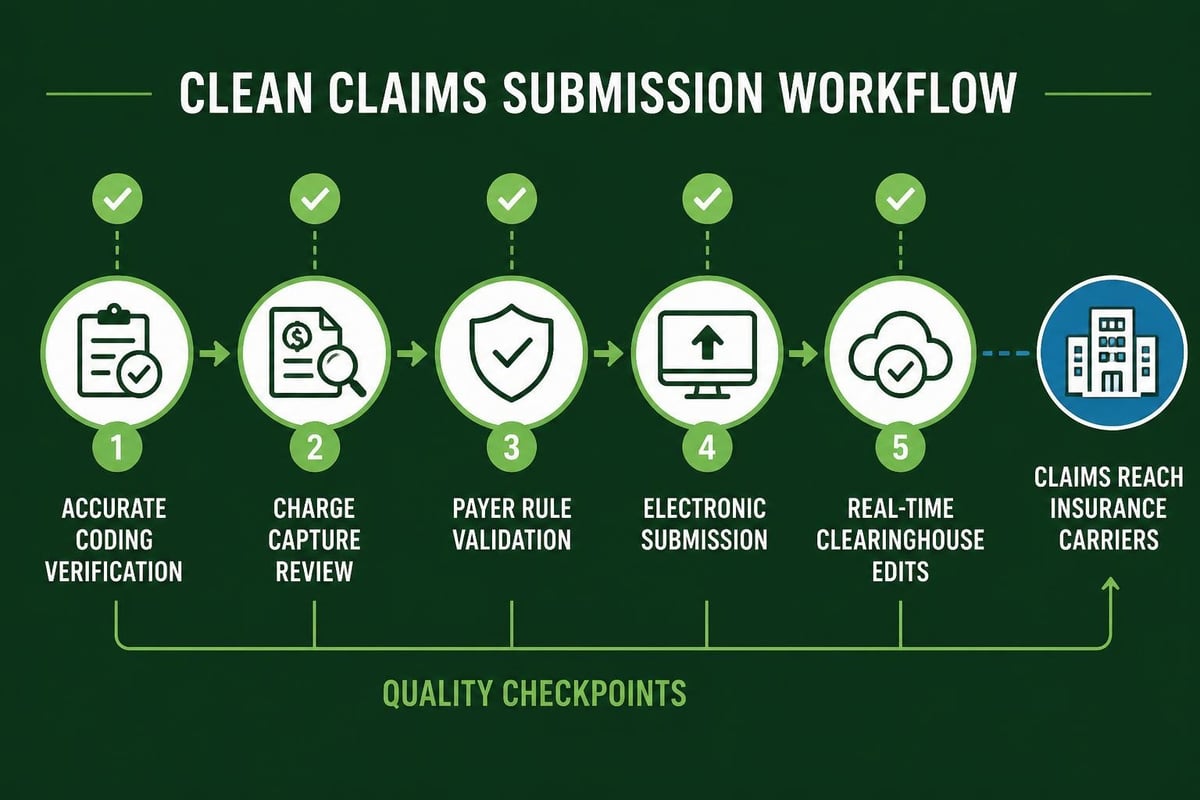
Many practices benefit from standardized data entry protocols that ensure consistency across all claims. Creating detailed checklists for different claim types and specialty services reduces the likelihood of missing critical information. Professional denial management services can also implement systematic quality review processes that catch these errors before claims reach payers.

CO-22: Coordination of Benefits Issues

The CO-22 denial code signals problems with coordination of benefits (COB) when a patient has multiple insurance policies. Payers use this code when claims are submitted to the wrong insurance company or when the correct billing sequence isn't followed. This commonly affects Medicare beneficiaries with supplemental coverage, patients with employer-sponsored plans plus spouse coverage, and children covered under both parents' policies.

Resolving CO-22 Denials

Step 1: Verify the patient's current insurance coverage hierarchy through eligibility verification.

Step 2: Identify the primary payer based on coordination of benefits rules (birthday rule, Medicare Secondary Payer guidelines, etc.).

Step 3: Resubmit the claim to the correct primary insurance first.

Step 4: Bill the secondary payer only after receiving the primary payer's explanation of benefits.

Step 5: Update patient insurance information in your practice management system to prevent future errors.

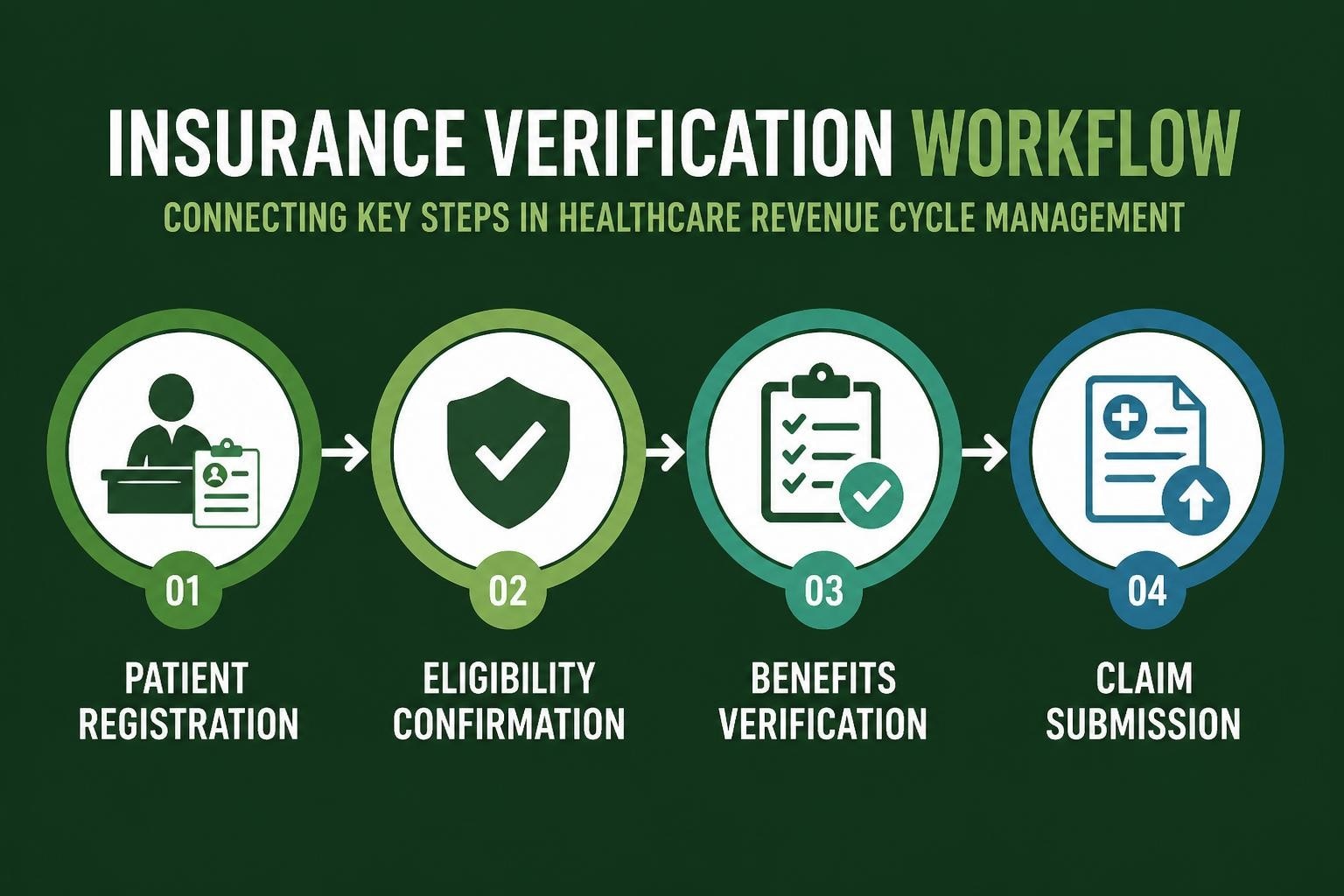
Implementing comprehensive eligibility verification services at the point of scheduling and registration dramatically reduces CO-22 denials. Real-time eligibility checks reveal multiple active policies and their coverage hierarchy, allowing staff to collect accurate information before services are rendered. This proactive approach prevents the time-consuming appeals process required after denial.

CO-22 Prevention Tactic Implementation Method Expected Impact
Real-time eligibility verification Check benefits at scheduling and check-in 70-80% reduction
Patient insurance questionnaire Ask about all active policies during intake 60-65% reduction
COB rules training Educate staff on Medicare, birthday rule, etc. 50-60% reduction
Automated alerts Flag accounts with multiple active insurances 75-85% reduction

CO-27: Missing or Incomplete Service Facility Location

CO-27 denials occur when claims lack complete information about where services were provided. Payers require specific details about the service facility, including the facility name, address, and NPI number. This code appears frequently for procedures performed at locations other than the provider's primary office, such as hospital outpatient departments, ambulatory surgical centers, or skilled nursing facilities.

Different place of service (POS) codes require different levels of facility detail. For example, services billed with POS 22 codes must include complete hospital information. Similarly, procedures performed at ambulatory surgical centers need the facility's unique identifiers to process correctly.

Preventing CO-27 denials requires meticulous attention to documentation workflows. Create facility information databases that staff can easily reference when entering claims. Establish clear protocols for obtaining facility NPI numbers and addresses from hospital registration departments or ASC administrators. Train coding and billing staff to recognize which POS codes trigger facility information requirements.

PR-1: Deductible Amount

The PR-1 denial code indicates that the patient's insurance deductible hasn't been met, making the patient responsible for the charges. While technically not a true denial (the claim was processed correctly), this adjustment category creates collection challenges for many practices. Understanding how deductibles work and communicating these obligations clearly to patients prevents confusion and improves collection rates.

Deductible-related adjustments spike at the beginning of each calendar year when annual deductibles reset. Practices experience higher patient responsibility balances during January through March, requiring enhanced patient communication strategies during these months. High-deductible health plans (HDHPs) have amplified this challenge, as more patients carry individual deductibles of $1,500 to $7,000 or higher.

Effective strategies for managing PR-1 adjustments:

  • Verify deductible status during eligibility checks and inform patients before services
  • Collect estimated patient portions at time of service when possible
  • Offer payment plans for patients facing large deductible amounts
  • Send clear, itemized statements explaining deductible applications
  • Train front desk staff to discuss financial responsibility compassionately

Many revenue cycle management companies implement sophisticated patient estimation tools that calculate expected out-of-pocket costs based on current deductible status. These estimates help patients plan financially and increase the likelihood of timely payment. Transparent communication about costs builds trust and reduces payment friction.

Insurance deductible claim processing

CO-50: Non-Covered Services

CO-50 denials indicate that the service provided isn't covered under the patient's insurance plan. This represents a contractual obligation issue rather than a claim error. Services might be excluded based on the specific policy type, considered experimental or investigational, or fall outside the scope of medically necessary care as defined by the payer.

Non-covered service denials present particular challenges because they often can't be appealed successfully unless documentation proves the service actually differs from what the payer believed was performed. Prevention becomes the primary strategy, requiring robust prior authorization services and patient communication protocols.

Healthcare providers should obtain advance beneficiary notices (ABNs) for Medicare patients when services may not be covered. For commercial payers, practices should verify coverage for specialized procedures, durable medical equipment, and newer treatments before rendering services. Clear documentation of these conversations protects the practice's ability to bill patients directly when services aren't covered.

CO-97: Payment Included in Allowance for Another Service

The CO-97 code appears when payers bundle services together under a single payment rather than reimbursing each component separately. This frequently affects surgical procedures with included postoperative care, diagnostic tests performed together, or services that fall under global payment methodologies. Understanding bundling rules and the National Correct Coding Initiative (NCCI) edits helps prevent these denials.

Common CO-97 Scenarios

Surgical global periods that include pre-operative visits, the procedure itself, and post-operative follow-up appointments typically generate CO-97 denials if providers bill these components separately. Laboratory panels that include multiple individual tests result in denials when each test is billed independently. E/M services performed on the same day as procedures may bundle into the procedure payment depending on the circumstances and appropriate modifier usage.

Preventing CO-97 denials requires comprehensive knowledge of:

  • NCCI edits and their quarterly updates
  • Payer-specific bundling policies that may differ from Medicare
  • Appropriate modifier usage (modifier 25, 59, etc.) to indicate separately identifiable services
  • Global surgical package definitions for different procedure types
  • Component versus panel coding for laboratory and diagnostic services

Investing in regular training on coding services ensures staff stay current with evolving bundling rules. Many practices implement coding audit programs that review claims before submission, catching potential bundling issues that would result in CO-97 denials.

CO-4: Duplicate Claim Submission

CO-4 denials occur when payers receive what appears to be a duplicate claim for the same patient, date of service, and procedure codes. While some CO-4 denials represent genuine duplicate submissions resulting from system errors or miscommunication, others occur when providers legitimately performed the same service multiple times on different dates, but claim formatting makes them appear identical.

True duplicate submissions waste processing resources and delay legitimate reimbursement. They commonly result from inadequate claim tracking systems, communication breakdowns between departments, or attempts to expedite payment by resubmitting claims still in processing status. Establishing clear protocols for claim status checks and resubmissions prevents most genuine duplicate scenarios.

Duplicate Prevention Strategy Tool/Method Effectiveness
Claim tracking system Practice management software flags Very High
Daily submission reports Review batches before clearinghouse transmission High
Payer portal checks Verify claim status before resubmission High
30-day wait policy Standard time before claim follow-up Moderate

When CO-4 denials represent situations where the same service was actually performed on different dates, detailed documentation and appeals become necessary. Medical claim submission services implement sophisticated tracking mechanisms that prevent duplicate submissions while ensuring legitimate claims reach payers promptly.

PR-96: Non-Covered Charges

The PR-96 code indicates patient responsibility for non-covered charges, similar to CO-50 but specifically transferring financial obligation to the patient. This commonly applies to cosmetic procedures, experimental treatments, services exceeding plan limitations, or care received from out-of-network providers under plans without out-of-network benefits.

Effective financial counseling prevents surprise bills and collection challenges associated with PR-96 adjustments. Practices should provide written estimates for elective procedures not typically covered by insurance, discuss out-of-network implications before scheduling appointments, and obtain written acknowledgment that patients understand their financial responsibility.

For services that might not be covered, thorough documentation of medical necessity becomes critical. While PR-96 indicates the patient owes the balance, appropriate documentation and appeals can sometimes shift responsibility back to the payer if coverage determinations were incorrect. This particularly applies when denials stem from insufficient documentation rather than genuine coverage exclusions.

Patient financial responsibility workflow

CO-109: Claim Not Covered by This Payer

CO-109 appears when claims are submitted to the wrong insurance company or when patients' coverage has terminated. This code essentially says "we're not responsible for paying this claim." Common causes include outdated insurance information, patients switching employers or plans, coverage lapses due to non-payment of premiums, or incorrect coordination of benefits information.

Reducing CO-109 denials centers on rigorous eligibility verification processes. Checking insurance eligibility at multiple touchpoints-when appointments are scheduled, 24-48 hours before the appointment, and again at check-in-catches most coverage changes before services are rendered. Real-time eligibility systems integrate directly with practice management platforms, automatically flagging coverage issues that require patient contact.

When CO-109 denials occur despite verification efforts, prompt patient communication becomes essential. Contact patients immediately to obtain current insurance information, reverify eligibility with the correct payer, and resubmit claims within timely filing limits. Many payers allow only 90-180 days from the date of service for initial claim submission, making quick action critical.

CO-18: Exact Duplicate Claim

While similar to CO-4, the CO-18 code specifically identifies exact duplicate claims where every data element matches a previously submitted claim. This more definitive duplicate designation indicates the payer's system has already received and processed (or is processing) an identical claim. Unlike situations where dates or other elements differ slightly, CO-18 represents clear redundancy.

Prevention strategies for CO-18 denials include implementing clearinghouse validations that check for duplicates before transmission, maintaining comprehensive claim submission logs with batch numbers and transmission dates, and establishing clear communication channels between staff members who might independently attempt to submit the same claim.

Most practice management systems and billing platforms offer built-in duplicate detection features. However, these tools only work if staff members understand and utilize them correctly. Regular training on billing software systems ensures team members leverage available technology to prevent avoidable errors.

CO-29: Time Limit for Filing Expired

The CO-29 denial code represents missed filing deadlines, one of the most financially damaging denial types because these claims typically can't be appealed or resubmitted. Each payer establishes specific timeframes within which they'll accept claims, ranging from 90 days to one year from the date of service. Missing these deadlines results in permanent revenue loss.

Timely filing denials often stem from delays earlier in the revenue cycle process. Common causes include:

  • Slow charge entry from providers or clinics
  • Extended appeals processes on initially denied claims
  • Waiting for patients to provide current insurance information
  • Internal workflow bottlenecks in coding or billing departments
  • System downtimes or technical issues preventing claim transmission

Preventing CO-29 denials requires systematic workflows that move claims through each revenue cycle stage efficiently. Establish internal deadlines well before actual payer filing limits, implement automated alerts for claims approaching deadlines, track aging reports daily to identify bottlenecks, and prioritize older claims in work queues.

Timely Filing Deadlines by Common Payer Type:

Payer Type Typical Filing Deadline Notes
Medicare 1 year from date of service Calendar year or rolling 12 months
Medicaid 90-180 days (state-specific) Varies significantly by state
Commercial plans 90-365 days Review each contract
Workers' compensation 90-120 days State-regulated
Auto insurance 30-90 days Policy-dependent

Professional revenue cycle management teams track these deadlines meticulously and maintain organized workflows that ensure claims are submitted with adequate time for payer processing and potential resubmission if initial attempts fail. Understanding how denial management improves cash flow helps practices appreciate the critical importance of timely filing compliance.

Patterns in the Most Common Denial Codes

Analyzing patterns across the most common denial codes in medical billing reveals systemic issues that practices can address through targeted interventions. Many denials cluster around specific failure points in the revenue cycle, suggesting opportunities for process improvement that yield significant financial returns.

Front-end revenue cycle processes account for approximately 60-70% of denial causes. Insurance verification failures, incomplete demographic information, missing referrals and authorizations, and inadequate patient financial counseling all contribute to downstream denials. Strengthening intake procedures and eligibility verification protocols prevents numerous CO-16, CO-22, CO-109, and PR-1 issues.

Coding accuracy impacts another 20-30% of denials. Understanding different types of medical coding and maintaining current knowledge of code updates, bundling rules, and modifier requirements reduces CO-97, CO-50, and similar clinical denials. Regular medical coding audits identify education opportunities and compliance risks before they generate widespread denials.

Billing and submission processes contribute the remaining 10-20% of common denials. CO-4, CO-18, and CO-29 denials typically stem from workflow issues, technology gaps, or inadequate claim tracking rather than clinical or administrative errors. Implementing robust claim scrubbing, status tracking, and deadline management systems addresses these operational challenges.

Building a Proactive Denial Prevention Program

Shifting from reactive denial management to proactive denial prevention requires commitment and structured implementation. Healthcare organizations that successfully reduce denial rates typically follow a systematic approach that addresses root causes rather than simply working denials after they occur.

Key components of effective denial prevention:

  • Data analytics: Track denial rates by code, payer, provider, and service type to identify patterns
  • Root cause analysis: Investigate why denials occur rather than just correcting individual claims
  • Staff education: Provide ongoing training on coding updates, payer policy changes, and best practices
  • Technology optimization: Leverage clearinghouse edits, eligibility systems, and workflow automation
  • Performance monitoring: Establish metrics and dashboards that make denial trends visible
  • Continuous improvement: Implement regular review cycles that refine processes based on results

Many practices partner with specialized revenue cycle management providers who bring expertise, dedicated resources, and proven methodologies for reducing denials. These partnerships allow healthcare providers to focus on clinical care while ensuring their revenue cycle operates at peak efficiency.

According to research on claim denial management, organizations that implement comprehensive denial prevention programs typically reduce their denial rates by 30-50% within the first year. This translates to significant revenue recovery and reduced administrative burden across the billing department.

Technology's Role in Managing Denial Codes

Modern revenue cycle technology offers powerful tools for identifying, preventing, and resolving the most common denial codes in medical billing. Advanced clearinghouse systems perform hundreds of validation checks before claims reach payers, catching formatting errors, missing information, and coding issues that trigger CO-16 and similar denials.

Artificial intelligence and machine learning algorithms now analyze historical denial patterns to predict which claims carry high denial risk. These predictive analytics tools flag problematic claims for manual review before submission, preventing denials rather than merely managing them afterward. Some systems even suggest specific corrections based on past successful resolutions of similar issues.

Integration between eligibility verification systems, practice management platforms, and billing software creates seamless workflows that reduce manual data entry and the errors it introduces. Real-time eligibility checks prevent CO-22 and CO-109 denials by ensuring current insurance information flows automatically through each system touchpoint.

Automated workflow tools also help manage the most common denial codes by routing different denial types to appropriate team members based on specialization. Claims denied for CO-16 issues route to data entry specialists for correction, while CO-50 denials requiring clinical documentation route to coding staff or providers. This specialization improves resolution efficiency and reduces turnaround time.

Many healthcare organizations use comprehensive reporting and analytics platforms that provide visibility into denial trends, allowing leadership to make data-driven decisions about resource allocation and process improvements. These insights help practices prioritize which denial types offer the greatest opportunity for revenue recovery and prevention.

Staff Training and Denial Code Expertise

Even the best technology requires knowledgeable users who understand denial codes and their implications. Building team expertise around the most common denial codes in medical billing creates a culture of quality that prevents errors throughout the revenue cycle. Different staff members need varying levels of knowledge based on their roles.

Front desk and registration staff should understand how incomplete or inaccurate information collected during intake creates downstream denials. Training these team members on CO-16, CO-22, and CO-109 prevention helps them appreciate how their work directly impacts practice revenue. They don't need to understand complex coding rules, but they must recognize the importance of complete demographic and insurance information.

Coding professionals require deep knowledge of clinical denial codes like CO-50 and CO-97. Understanding medical necessity guidelines, bundling rules, and appropriate modifier usage prevents denials before claims are submitted. Ongoing education on code updates and payer policy changes keeps coding staff current with evolving requirements.

Billing specialists need comprehensive knowledge across all denial categories since they manage claims after submission. They must understand payer-specific variations in how common codes are applied, appeal strategies for different denial types, and timely filing requirements that govern resubmission opportunities. This broad expertise allows them to triage denials effectively and pursue the most appropriate resolution path.

Regular case studies using actual denials from the practice provide practical learning opportunities. Reviewing common billing and coding errors that occurred within the organization makes training relevant and demonstrates real financial impact. This approach builds engagement and reinforces the connection between individual actions and practice financial health.

Measuring Success in Denial Management

Establishing clear metrics for tracking denial performance helps organizations assess whether prevention strategies are working. The most meaningful key performance indicators (KPIs) examine both denial frequency and resolution effectiveness, providing a comprehensive view of revenue cycle health.

Primary denial management metrics include:

Metric Formula Target Benchmark
Initial denial rate Denied claims / Total claims submitted Less than 5%
Denial write-off rate Denied dollars not recovered / Total denied dollars Less than 2%
Days in A/R (denied) Average days to resolve denied claims Less than 30 days
Clean claim rate Claims paid on first submission / Total claims Greater than 95%
Denial overturn rate Successfully appealed denials / Total appeals Greater than 60%

Tracking these metrics by denial code type reveals which areas require focused attention. A practice might have excellent overall denial rates but struggle specifically with CO-97 bundling issues or CO-29 timely filing problems. Drilling down into denial code-specific performance enables targeted interventions rather than broad, unfocused improvement efforts.

Benchmarking against industry standards and similar practices provides context for performance evaluation. Resources like comprehensive analysis of denial trends help organizations understand whether their denial rates reflect typical challenges or indicate areas requiring immediate attention.

Regular reporting cycles-weekly for operational metrics, monthly for trending analysis, and quarterly for strategic review-keep denial management visible to leadership and maintain organizational focus on continuous improvement. Dashboard tools that visualize these metrics make complex data accessible to stakeholders at all levels.


Mastering the most common denial codes in medical billing transforms revenue cycle performance by preventing lost revenue and reducing administrative burden. By implementing systematic prevention strategies, leveraging technology effectively, and building team expertise, healthcare organizations can achieve dramatic improvements in clean claim rates and days to payment. Greenhive Billing Solutions partners with healthcare providers nationwide to implement comprehensive denial management programs that identify root causes, prevent common denials, and recover maximum revenue. Our experienced team brings proven methodologies and dedicated resources that allow practices to focus on patient care while ensuring financial sustainability.

j-codes-in-medical-billing-a-complete-guide-1

March 4, 2026

Medical billing involves countless codes and identifiers that ensure healthcare providers receive appropriate reimbursement for their services. Among these, j codes in medical billing represent a specialized subset dedicated to injectable medications, chemotherapy drugs, and other administered pharmaceuticals. Understanding these codes is essential for healthcare practices that regularly administer medications, as even minor coding errors can result in claim denials, delayed payments, or compliance issues. For revenue cycle management professionals, mastering J codes means the difference between optimized reimbursement and preventable revenue loss.

What Are J Codes in Medical Billing

J codes are specific alphanumeric identifiers within the Healthcare Common Procedure Coding System (HCPCS) Level II classification. These codes always begin with the letter “J” and are followed by four numeric digits, such as J1234. The American Medical Association provides comprehensive resources on CPT and HCPCS codes, including detailed guidance on proper J code application.

The primary purpose of j codes in medical billing is to identify non-orally administered medications, including injectable drugs, chemotherapy agents, and certain infusion therapies. Unlike oral medications that patients typically self-administer at home, these drugs require professional administration in clinical settings. This distinction is critical because it affects both reimbursement rates and documentation requirements.

The Structure and Components of J Codes

Each J code represents a specific medication, dosage, and unit of measurement. For example, one code might represent 10 mg of a particular drug, while another represents 50 mg of the same medication. This granular approach ensures precise billing that reflects the actual quantity administered to the patient.

Key characteristics of J codes include:

  • Specific drug identification with exact chemical names
  • Defined dosage amounts per billable unit
  • Administration route specifications (intramuscular, intravenous, subcutaneous)
  • National Drug Code (NDC) linkage for tracking and verification

The Centers for Medicare & Medicaid Services (CMS) maintains and updates these codes quarterly, adding new medications and discontinuing outdated ones as pharmaceutical markets evolve.

J code structure breakdown

Why J Codes Matter for Healthcare Providers

Revenue cycle efficiency depends heavily on accurate coding practices, and j codes in medical billing play a substantial role in that ecosystem. Understanding common billing identifiers helps practices avoid the costly mistakes that lead to claim rejections.

Practices that specialize in oncology, rheumatology, ophthalmology, or pain management frequently encounter J codes in their daily operations. These specialties routinely administer high-cost medications that require precise documentation and coding.

Financial Impact of Accurate J Code Billing

The financial stakes surrounding J codes are considerable. Injectable medications often represent significant expenses for healthcare practices, particularly specialty drugs that can cost thousands of dollars per dose. When providers bill these medications incorrectly, they risk:

  1. Complete claim denial requiring time-intensive appeals
  2. Partial payment that doesn’t cover medication acquisition costs
  3. Audit triggers that scrutinize past billing patterns
  4. Cash flow disruption while resolving coding disputes

Conversely, accurate J code billing ensures timely reimbursement at appropriate rates, maintaining healthy revenue cycles. Many practices work with specialized medical billing services to ensure their J code submissions meet payer requirements consistently.

Common Specialty Typical J Code Volume Primary Drug Types
Oncology Very High Chemotherapy agents, immunotherapy
Rheumatology High Biologics, disease-modifying drugs
Ophthalmology Moderate Anti-VEGF injections, antibiotics
Pain Management Moderate to High Nerve blocks, trigger point injections

How to Find and Verify the Correct J Code

Identifying the appropriate J code requires methodical research and cross-referencing. Healthcare providers cannot simply guess or approximate these codes, as precision is mandatory for both compliance and reimbursement.

Step-by-Step J Code Identification Process

Step 1: Identify the exact medication administered, including brand name and generic chemical name.

Step 2: Determine the total dosage amount given to the patient during the encounter.

Step 3: Consult the current HCPCS Level II codebook or online database for the corresponding J code.

Step 4: Verify the code’s dosage unit matches your administered amount, calculating multiple units if necessary.

Step 5: Cross-reference with the National Drug Code (NDC) to ensure medication and code alignment.

Resources from specialty coding professionals provide detailed guidance on navigating complex pharmaceutical coding scenarios.

Many revenue cycle management teams maintain internal databases that map frequently administered medications to their corresponding J codes. This reference system reduces lookup time and minimizes coding errors during high-volume periods.

Common J Code Documentation Requirements

Proper documentation supports every J code claim. Payers expect medical records to include specific details that justify the medication administration:

  • Complete medication name and strength
  • Precise dosage amount administered
  • Administration route and method
  • Medical necessity justification
  • Time and date of administration
  • Ordering provider information

Without comprehensive documentation, even correctly coded claims may face denials during payer audits. Effective denial management services often track J code denials separately to identify systemic documentation gaps.

J code verification workflow

Common J Code Billing Challenges

Healthcare practices encounter recurring obstacles when managing j codes in medical billing. Recognizing these challenges allows organizations to implement preventive measures before problems escalate.

Dosage Calculation Errors

One of the most frequent mistakes involves miscalculating billable units. Since J codes represent specific quantities, providers must convert the administered dose into the appropriate number of units. For instance, if a J code represents 10 mg and the patient receives 35 mg, the provider should bill 3.5 units (or follow payer-specific rounding guidelines).

Common calculation pitfalls include:

  • Failing to account for medication wastage policies
  • Misreading concentration versus total volume
  • Ignoring payer-specific rounding rules
  • Incorrectly converting between measurement units

Many practices implement double-check protocols where both clinical and billing staff verify dosage calculations before claim submission.

Code Updates and Discontinued Medications

The pharmaceutical landscape changes constantly, with new medications entering the market and older drugs becoming obsolete. Understanding what CPT codes are for insurance helps contextualize how frequently coding systems evolve.

CMS releases quarterly updates that can add, delete, or modify J codes. Practices that fail to monitor these changes may continue billing discontinued codes or miss opportunities to use newly established identifiers. Subscription to official CMS listservs and participation in professional coding organizations helps teams stay current.

Payer-Specific J Code Requirements

Different insurance companies maintain unique policies regarding J code billing. While Medicare sets baseline standards, commercial payers often implement additional requirements:

  • Prior authorization for specific high-cost medications
  • Preferred drug lists that limit covered J codes
  • Medical necessity documentation beyond standard requirements
  • Alternative billing methods for certain drug categories

Revenue cycle teams must maintain payer-specific billing guidelines and update them regularly as contracts and policies change.

Best Practices for J Code Management

Successful j codes in medical billing implementation requires systematic processes that span clinical, administrative, and financial departments. Organizations that excel in this area typically embed quality controls throughout their revenue cycle.

Establish Clear Clinical Documentation Standards

Clinicians must understand that their documentation directly impacts billing accuracy. Standardized templates for medication administration should prompt providers to record all necessary details in consistent formats. Medical coding services often work with practices to develop documentation tools that satisfy both clinical and billing requirements.

Electronic health record (EHR) systems can include smart fields that automatically capture required J code information, reducing manual data entry and associated errors.

Implement Regular Coding Audits

Periodic internal audits identify coding patterns and potential compliance risks before they trigger external scrutiny. Effective audit programs examine:

  1. J code selection accuracy against medication records
  2. Dosage calculation correctness and unit billing
  3. Documentation completeness and medical necessity support
  4. Modifier usage when required for specific scenarios
  5. NDC reporting compliance where mandated

Medical coding audit services provide objective assessment of coding practices and highlight improvement opportunities.

Maintain Current Reference Materials

Coding accuracy depends on access to updated resources. Practices should invest in:

  • Current year HCPCS Level II codebooks (updated annually)
  • Quarterly update bulletins from CMS
  • Payer-specific coverage policies and local coverage determinations
  • Drug reference databases with J code cross-references
  • Specialty-specific coding newsletters and publications

Many revenue cycle management professionals bookmark essential medical coding resources for quick reference during complex billing scenarios.

J code best practices framework

Training Staff on J Code Billing

Human expertise remains the cornerstone of accurate medical billing, regardless of technological advances. Comprehensive staff training programs ensure team members understand both the technical aspects of j codes in medical billing and the broader context of revenue cycle management.

Core Competencies for Billing Staff

Billing professionals handling J codes should demonstrate proficiency in several key areas:

Competency Area Required Knowledge Assessment Method
Code Structure J code format, dosage units, administration routes Written exam, practical coding exercises
Drug Knowledge Common medications, generic/brand names, therapeutic classes Drug identification quizzes, case studies
Documentation Required elements, medical necessity, compliance standards Chart review assignments, audit participation
Payer Policies Coverage rules, prior authorization, appeals processes Policy interpretation tests, scenario practice

Regular continuing education keeps staff current as pharmaceutical markets and coding guidelines evolve. Many organizations schedule quarterly training sessions coinciding with CMS update releases.

Cross-Department Collaboration

Effective J code billing requires coordination between clinical, pharmacy, and billing departments. Nurses and medical assistants who administer medications must understand how their documentation affects downstream billing processes. Pharmacists can provide valuable input on drug classifications and appropriate code selection.

Regular interdisciplinary meetings create opportunities to discuss recurring challenges, share updates, and align processes across departments. This collaborative approach reduces errors and improves overall revenue cycle performance.

Technology Solutions for J Code Management

While Greenhive Billing Solutions does not provide software products, the company’s experienced professionals utilize industry-standard technology platforms to optimize J code billing for clients. Understanding available technological solutions helps healthcare providers appreciate the tools that skilled revenue cycle management teams employ.

EHR Integration and Automated Code Suggestions

Modern electronic health record systems can integrate J code databases that suggest appropriate codes based on medication orders. When a provider documents medication administration, the system can automatically populate the corresponding J code, reducing manual lookup time and potential selection errors.

These integrations typically include:

  • Real-time drug-to-code matching algorithms
  • Dosage calculators that convert administered amounts to billable units
  • Documentation prompts that ensure required elements are captured
  • Alert systems that flag potential coding issues before claim submission

Revenue cycle management specialists configure these systems according to specialty-specific needs and payer requirements.

Claims Scrubbing Technology

Before claims reach payers, sophisticated scrubbing software examines J code submissions for common errors. These systems check for:

  • Valid code formats and current code status
  • Logical dosage amounts and unit calculations
  • Required modifier presence when applicable
  • NDC reporting compliance
  • Documentation attachment completeness

Claim submission services leverage these technologies to maximize clean claim rates and accelerate reimbursement timelines.

Analytics and Reporting Tools

Data analytics platforms track J code utilization patterns, denial rates, and reimbursement trends. These insights help practices identify:

  • High-denial J codes requiring process improvements
  • Medications with consistently delayed payments
  • Training needs based on error patterns
  • Opportunities for prior authorization automation
  • Payer-specific performance variations

Regular reporting keeps stakeholders informed about J code billing performance and guides strategic decisions about staff allocation, technology investments, and process refinements.

J Code Billing for Different Specialties

The application of j codes in medical billing varies significantly across medical specialties. Each practice area encounters unique challenges and opportunities related to pharmaceutical coding.

Oncology and Chemotherapy Administration

Oncology practices deal with some of the most complex and high-value J code scenarios. Chemotherapy regimens often involve multiple drugs administered during single encounters, each requiring separate J codes. These medications frequently cost thousands of dollars per dose, making coding accuracy financially critical.

Oncology billing teams must navigate:

  • Buy-and-bill inventory management and wastage documentation
  • Combination therapy coding with multiple J codes per encounter
  • Clinical trial medications with special coding requirements
  • Supportive care medications (anti-nausea, growth factors) billed separately

Many oncology practices partner with specialized revenue cycle management providers who understand the nuances of cancer treatment billing.

Rheumatology and Biologic Therapies

Rheumatology practices routinely administer expensive biologic medications for conditions like rheumatoid arthritis and psoriatic arthritis. These drugs require careful J code selection because similar medications may have different codes based on biosimilar status or specific formulations.

Key considerations for rheumatology J code billing:

  • Prior authorization requirements for nearly all biologic agents
  • Step therapy documentation showing less expensive alternatives were tried
  • Administration method coding (infusion versus injection)
  • Loading dose versus maintenance dose documentation

Ophthalmology and Intravitreal Injections

Ophthalmology practices frequently perform intravitreal injections for conditions like macular degeneration and diabetic retinopathy. These procedures involve both a J code for the medication (such as anti-VEGF agents) and a procedure code for the injection itself.

Common billing combinations include the J code for the drug plus CPT codes for the injection procedure. Understanding different types of modifiers becomes important when bilateral procedures are performed or multiple medications are administered.

Compliance Considerations for J Code Billing

Healthcare compliance extends beyond simple coding accuracy. Practices must ensure their J code billing practices align with federal regulations, payer contracts, and professional standards.

Medicare and Medicaid Requirements

Government payers maintain specific J code billing rules that differ from commercial insurance standards. Medicare requires NDC reporting for certain medications, while Medicaid programs vary by state regarding documentation and prior authorization.

Critical compliance elements include:

  • Accurate reporting of drug acquisition costs for Average Sales Price calculations
  • Proper use of KX modifiers when applicable for medical necessity exceptions
  • Compliance with National Coverage Determinations and Local Coverage Determinations
  • Timely filing within payer-specific deadlines

Anti-Kickback and Stark Law Implications

Practices must ensure their medication purchasing and administration arrangements don’t violate federal anti-kickback statutes or Stark Law prohibitions. This becomes particularly relevant when practices participate in specialty pharmacy arrangements or manufacturer discount programs.

Proper compliance programs include regular legal reviews of pharmaceutical vendor relationships and transparent documentation of all financial arrangements related to administered medications.

Documentation Retention Requirements

J code claims require extensive documentation that must be retained according to federal and state regulations. Most jurisdictions require minimum seven-year retention periods, though practices may maintain records longer to protect against potential audits.

Proper documentation systems should organize records to facilitate rapid retrieval during payer audits or compliance reviews. Many practices implement electronic document management systems that link medication administration records directly to submitted claims.

Optimizing Reimbursement Through Strategic J Code Management

Beyond basic accuracy, strategic approaches to j codes in medical billing can enhance overall reimbursement and practice profitability. Understanding how effective denial management improves cash flow demonstrates the financial impact of proactive coding strategies.

Negotiating Payer Contracts

Healthcare practices should review payer contracts specifically for medication reimbursement terms. Some contracts base J code reimbursement on percentage of Average Wholesale Price, while others use Average Sales Price plus percentage markup. Understanding these formulas helps practices negotiate more favorable terms during contract renewals.

Key negotiation points include:

  • Reimbursement methodology (AWP versus ASP versus WAC)
  • Percentage add-ons for acquisition cost coverage
  • Bundling versus separate billing allowances
  • Prior authorization timelines and exceptions
  • Appeal rights for denied J code claims

Inventory Management and Financial Planning

Practices that maintain medication inventory must balance clinical needs against financial risk. High-cost medications represent significant capital investment, and coding errors that delay reimbursement can create cash flow challenges.

Effective inventory management systems track:

  1. Medication expiration dates to minimize waste
  2. Patient-specific ordering to reduce excess inventory
  3. Payer approval status before medication acquisition
  4. Reimbursement timelines by payer and medication type
  5. Wastage documentation requirements and billing opportunities

Appeals and Denial Resolution

Even well-coded J code claims sometimes face denials. Systematic appeal processes recover otherwise lost revenue and identify systemic issues requiring correction.

Successful appeal programs include:

Appeal Stage Key Activities Timeline
Initial Review Identify denial reason, gather documentation 1-3 days
Payer Contact Clarify denial rationale, determine requirements 3-5 days
Documentation Assembly Compile medical records, administration logs, medical necessity support 5-10 days
Appeal Submission Submit formal appeal with complete documentation package Within payer deadline
Follow-up Track appeal status, escalate if needed Ongoing until resolution

Specialized denial management services bring expertise in J code appeals, often achieving higher overturn rates than internal teams lacking pharmaceutical billing experience.


Mastering j codes in medical billing requires ongoing attention to regulatory updates, payer requirements, and clinical documentation practices. Healthcare providers who implement systematic processes, invest in staff training, and leverage experienced revenue cycle management support position themselves for optimal reimbursement and compliance. Greenhive Billing Solutions specializes in comprehensive revenue cycle management tailored for practices that regularly bill J codes, offering expertise in pharmaceutical coding, denial management, and payer negotiations. Our team of skilled professionals works within your existing systems to improve coding accuracy, accelerate reimbursement, and maximize revenue from administered medications.

March 3, 2026

Understanding cpt codes healthcare is fundamental to revenue cycle management success. These standardized codes serve as the universal language between healthcare providers, insurance companies, and billing specialists, ensuring that medical services are accurately documented, billed, and reimbursed. For medical practices and billing organizations, mastering CPT codes translates directly to improved cash flow, reduced claim denials, and streamlined operations. Whether you're overseeing a multi-specialty clinic or managing billing operations for independent practitioners, comprehensive knowledge of CPT coding principles remains essential for financial sustainability.

What Are CPT Codes in Healthcare Billing

Current Procedural Terminology (CPT) codes are five-digit numeric codes that describe medical, surgical, and diagnostic services provided to patients. Developed and maintained by the American Medical Association (AMA), CPT codes provide a comprehensive overview of procedures and services across all medical specialties. These codes create a standardized method for healthcare professionals to communicate with payers about the services rendered.

The cpt codes healthcare system encompasses over 10,000 individual codes that cover everything from routine office visits to complex surgical procedures. Each code represents a specific service, allowing insurance companies to process claims consistently and accurately.

The Role of CPT Codes in Revenue Cycle Management

CPT codes form the backbone of medical billing operations. When a provider delivers care, the appropriate CPT code must be assigned to document that service. This code then appears on the claim submitted to the insurance company, triggering payment according to the payer's fee schedule.

Accurate CPT coding impacts several critical areas:

  • Claim acceptance rates – Correct codes reduce immediate rejections
  • Reimbursement levels – Precise coding ensures appropriate payment amounts
  • Compliance standards – Proper code usage meets regulatory requirements
  • Audit preparation – Well-documented coding withstands payer scrutiny
  • Revenue optimization – Complete coding captures all billable services

Professional billing services, such as those offered through comprehensive medical billing services, rely on expert knowledge of cpt codes healthcare to maximize reimbursements while maintaining compliance standards.

CPT code categories

Understanding the Three Categories of CPT Codes

The CPT code set divides into three distinct categories, each serving specific documentation and billing purposes. Understanding these divisions helps billing professionals select appropriate codes and maintain accurate records.

Category I Codes: Standard Procedural Codes

Category I codes represent the largest segment of cpt codes healthcare and describe established medical procedures and services. These five-digit codes divide into six main sections based on service type:

Section Code Range Description
Evaluation and Management 99202-99499 Office visits, consultations, hospital care
Anesthesia 00100-01999 Anesthesia services for surgical procedures
Surgery 10004-69990 Surgical procedures across all body systems
Radiology 70010-79999 Diagnostic imaging and radiation therapy
Pathology and Laboratory 80047-89398 Laboratory tests and pathology services
Medicine 90281-99607 Non-surgical diagnostic and therapeutic services

Updated annually, Category I codes reflect current medical practice and technological advances. Billing teams must stay current with these changes to ensure accurate claim submission.

Category II Codes: Performance Measurement

Category II codes are optional supplemental tracking codes used primarily for performance measurement and quality reporting programs. These alphanumeric codes help healthcare organizations demonstrate adherence to clinical guidelines and quality metrics.

While Category II codes don't generate direct reimbursement, they support value-based care initiatives and quality reporting requirements. Many practices use these codes to participate in programs like the Merit-based Incentive Payment System (MIPS).

Category III Codes: Emerging Technology

Category III codes represent temporary codes for emerging technologies, services, and procedures. These codes allow data collection and assessment for services not yet widely adopted or proven. After sufficient evidence accumulates, Category III codes may transition to Category I status.

Understanding the Healthcare Common Procedure Coding System (HCPCS) provides additional context for how CPT codes fit within the broader coding landscape used by Medicare and Medicaid programs.

How CPT Codes Work With Other Coding Systems

The cpt codes healthcare system doesn't operate in isolation. Effective medical billing requires coordination between multiple coding systems, each serving distinct documentation purposes.

Key coding systems working alongside CPT codes include:

  1. ICD-10-CM codes – Diagnoses that justify the medical necessity of procedures
  2. HCPCS Level II codes – Supplies, equipment, and non-physician services
  3. Revenue codes – Facility charging mechanisms for hospital billing
  4. Modifier codes – Additional information about how services were performed

Each CPT code on a claim must link to appropriate diagnosis codes that establish medical necessity. Without this connection, payers routinely deny claims for lack of justification. Professional medical coding services ensure these relationships are properly documented.

The interaction between coding systems creates complexity that requires specialized knowledge. For instance, certain CPT codes bundle related services together, while others require separate reporting with specific modifiers.

Common CPT Code Selection Challenges

Selecting the correct cpt codes healthcare for each encounter presents numerous challenges that can impact reimbursement and compliance. Billing professionals encounter these issues regularly across specialties and practice settings.

Specificity Requirements

Modern payer requirements demand increasingly specific code selection. General codes that once sufficed now face routine denials in favor of more detailed alternatives. This specificity extends to documentation requirements, where the medical record must support the level of service coded.

Consider office visit codes (99202-99215), where five levels of complexity exist for both new and established patients. Selecting between these levels requires careful evaluation of history, examination, and medical decision-making components.

Bundling and Unbundling Issues

Insurance companies maintain comprehensive edits that determine which services can be billed together. National Correct Coding Initiative (NCCI) edits prevent inappropriate unbundling of services that should be reported with a single comprehensive code.

Common bundling scenarios include:

  • Surgical procedures that include routine post-operative care
  • Diagnostic tests performed as part of a comprehensive panel
  • Minor procedures included in more extensive surgical services
  • Evaluation and management services on the same day as procedures

Understanding these relationships prevents claim denials and compliance risks. Organizations focused on denial management services regularly analyze bundling issues to prevent revenue loss.

CPT code modifier usage

Modifier Application

Modifiers are two-digit codes appended to CPT codes to provide additional information about how a service was performed. Proper modifier usage can mean the difference between payment and denial.

Critical modifiers include:

Modifier Purpose Usage Example
25 Significant, separately identifiable E/M service Office visit on same day as procedure
59 Distinct procedural service Separate procedure at different anatomic site
26 Professional component Physician interpretation of diagnostic test
TC Technical component Equipment and technician for diagnostic test
50 Bilateral procedure Service performed on both sides of body

Incorrect modifier usage triggers automatic denials from payer systems. The importance of understanding modifier applications cannot be overstated for revenue cycle success.

Best Practices for CPT Code Management

Effective management of cpt codes healthcare requires systematic processes, ongoing education, and quality assurance measures. Organizations that excel in coding accuracy implement comprehensive programs addressing multiple dimensions of code management.

Documentation Standards

Strong documentation provides the foundation for accurate coding. Providers must document services completely and specifically, creating a clear record that supports the codes selected.

Essential documentation elements include:

  1. Chief complaint and history of present illness
  2. Review of systems appropriate to the complexity level
  3. Physical examination findings relevant to the visit
  4. Medical decision-making process and complexity
  5. Treatment plans and follow-up instructions

When documentation lacks specificity, coders must query providers rather than assume information. This collaborative approach between clinical and billing teams ensures coding accuracy while maintaining compliance.

Regular Code Updates and Training

The AMA updates CPT codes annually, with changes taking effect each January. These updates include new codes, deleted codes, and revised code descriptions. Billing teams must integrate these changes immediately to avoid claim rejections.

Ongoing education keeps coding staff current with regulatory changes, payer policies, and specialty-specific coding guidelines. Investment in professional development pays dividends through improved first-pass claim acceptance rates.

Quality Assurance Programs

Regular coding audits identify patterns of errors before they result in significant revenue loss or compliance issues. Both internal and external audits serve important roles in quality assurance.

Internal audits allow organizations to catch and correct errors proactively. External audits by certified professionals provide objective assessment and credibility for compliance programs. Combining both approaches creates a robust quality framework that protects revenue and reduces risk.

Organizations providing medical coding audit services help practices identify improvement opportunities and implement corrective action plans.

CPT Codes and Payer-Specific Requirements

While CPT codes provide standardization, individual payers often maintain unique policies affecting code acceptance and reimbursement. Understanding these variations is critical for maximizing collections.

Medicare and Medicaid Policies

Government payers implement specific coverage determinations that limit when certain CPT codes qualify for reimbursement. Local Coverage Determinations (LCDs) and National Coverage Determinations (NCDs) establish medical necessity criteria for services.

Medicare also maintains the Physician Fee Schedule, which assigns relative value units (RVUs) to each CPT code. These values determine reimbursement rates based on geographic location and other factors.

Commercial Payer Variations

Private insurance companies negotiate individual fee schedules with providers and implement proprietary medical policies. A service covered by one commercial payer may face denial from another despite identical CPT coding.

Payer-specific considerations include:

  • Prior authorization requirements for specific CPT codes
  • Frequency limitations on preventive services
  • Excluded services regardless of medical necessity
  • Preferred code selections for similar services
  • Documentation requirements beyond standard guidelines

Successful revenue cycle management requires maintaining current knowledge of multiple payer policies. Services like eligibility verification help identify coverage limitations before services are rendered.

Technology and CPT Code Management

Modern billing operations leverage technology to improve CPT code accuracy and efficiency. From electronic health records to specialized billing platforms, technology solutions streamline cpt codes healthcare management.

Electronic Health Records Integration

EHR systems increasingly incorporate coding assistance features that suggest appropriate CPT codes based on documentation. These tools use natural language processing and clinical decision support to match services with codes.

However, technology serves as an assistant rather than a replacement for human expertise. Coders must verify suggestions and ensure documentation supports the codes selected.

Claim Scrubbing Software

Before submission, claims pass through scrubbing software that checks for common errors, missing information, and coding inconsistencies. These systems identify issues such as:

  • Missing or invalid CPT codes
  • Diagnosis codes that don't support medical necessity
  • Bundling violations and NCCI edits
  • Modifier requirements for specific code combinations
  • Payer-specific policy violations

Automated scrubbing catches errors that would otherwise result in denials, improving first-pass acceptance rates. When combined with expert oversight, technology significantly enhances billing accuracy.

Revenue cycle optimization

Analytics and Reporting

Advanced analytics platforms track coding patterns, denial reasons, and reimbursement trends. These insights help organizations identify improvement opportunities and optimize revenue capture.

Key performance indicators for CPT code management include:

Metric Description Target Range
Clean claim rate Percentage of claims accepted on first submission 95-98%
Coding accuracy rate Percentage of codes correctly assigned 98-99%
Denial rate by code Claims denied by specific CPT codes <5%
Days in A/R Time from service to payment collection <30 days
Net collection rate Percentage of expected payments collected >95%

Organizations focused on reporting and analytics use data to drive continuous improvement in coding operations.

Compliance and Risk Management

Improper use of cpt codes healthcare creates significant compliance risks including audits, recoupment demands, and potential fraud allegations. Proactive compliance programs protect organizations from these consequences.

Common Compliance Risks

Several coding practices trigger particular scrutiny from payers and regulatory agencies:

Upcoding occurs when a provider bills for a higher level of service than documentation supports. This inflates reimbursement inappropriately and constitutes fraud when done intentionally.

Unbundling involves separately billing components of a service that should be reported with a comprehensive code. This practice circumvents bundling edits to increase payment.

Duplicate billing happens when the same service is billed multiple times for a single encounter. While sometimes occurring accidentally, repeated patterns suggest systemic problems.

Organizations should understand coding and payment principles to maintain ethical billing practices that withstand regulatory scrutiny.

Documentation to Support Code Selection

Every CPT code billed must have corresponding documentation in the medical record. During audits, payers request records to verify that services were actually performed and medically necessary.

Insufficient documentation leads to claim denials and payment recoupment even when services were legitimately provided. The documentation must be contemporaneous, meaning created at or near the time of service rather than added retrospectively.

Audit Response Strategies

When payers initiate audits, organized response protocols minimize disruption and protect revenue. Effective audit responses include:

  1. Designating a response coordinator to manage the process
  2. Gathering requested documentation completely and timely
  3. Reviewing records before submission to identify potential issues
  4. Preparing clear explanations for coding decisions
  5. Engaging legal or consulting support when appropriate

Professional revenue cycle management partners bring experience navigating audit processes and defending appropriate coding decisions.

Specialty-Specific CPT Code Considerations

Different medical specialties face unique challenges with cpt codes healthcare based on the services they provide. Understanding specialty-specific nuances ensures accurate billing across practice types.

Primary Care Coding

Primary care practices primarily use evaluation and management codes, with occasional minor procedures. The challenge lies in accurately capturing the complexity of visits where multiple chronic conditions are managed.

Preventive visit codes (99381-99397) require careful distinction from problem-oriented visits. When both occur during the same encounter, modifier 25 must be appended to the problem-oriented service.

Surgical Specialty Coding

Surgical practices navigate complex global period rules, where post-operative care is included in the surgical fee. Understanding what's bundled versus separately billable prevents both under-coding and compliance issues.

Surgical codes often require anatomic site specificity and laterality indicators. Incomplete coding results in claim denials for missing information.

Diagnostic and Imaging Services

Radiology and laboratory services require understanding of professional versus technical components. Many diagnostic services can be billed as a complete service (both components) or split between the physician interpretation (modifier 26) and the technical performance (modifier TC).

Emerging Telehealth Services

Virtual care has expanded significantly, bringing new CPT code applications. While some codes were specifically designed for telehealth, others have been modified to allow virtual delivery with appropriate place of service codes.

Understanding which services qualify for telehealth billing and documentation requirements for virtual encounters has become essential for modern practices.

The Financial Impact of CPT Code Accuracy

Precise cpt codes healthcare management directly affects practice financial performance. The relationship between coding accuracy and revenue optimization cannot be overstated.

Revenue Optimization Through Complete Coding

Under-coding occurs when providers fail to capture all billable services or select codes that don't reflect the full complexity of care delivered. This conservative approach protects against compliance risk but leaves significant revenue on the table.

Comprehensive charge capture processes ensure every billable service receives appropriate coding. This requires coordination between clinical staff who provide services and billing staff who translate those services into codes.

Cost of Coding Errors

Coding errors create costs beyond lost revenue. Claim rework, appeals processing, and audit response consume staff time and resources. Repeated denials damage payer relationships and slow cash flow.

Financial impacts of coding errors include:

  • Lost revenue from under-coding and missed charges
  • Delayed payments from claim denials and rejections
  • Staff time spent on rework and appeals
  • Compliance costs from audits and investigations
  • Potential penalties and recoupment demands

Organizations that invest in coding accuracy see returns through improved cash flow, reduced administrative burden, and lower compliance risk. Professional support through medical claim submission services helps practices optimize these outcomes.

Measuring Coding Performance

Tracking coding performance metrics provides visibility into operational effectiveness. Regular monitoring allows quick identification and correction of problems before they impact revenue significantly.

Benchmarking against industry standards helps practices understand their relative performance. While internal improvement is important, knowing how your organization compares to peers provides valuable context for setting goals.

Future Trends in CPT Code Development

The cpt codes healthcare landscape continues evolving in response to medical advances, regulatory changes, and payment model innovations. Understanding emerging trends helps organizations prepare for future requirements.

Value-Based Care Integration

As healthcare payment shifts from volume to value, CPT codes are adapting to support quality measurement and outcome tracking. Category II codes gain importance for demonstrating adherence to evidence-based practices.

New codes specifically designed for care coordination, chronic care management, and remote patient monitoring reflect the industry's movement toward comprehensive rather than episodic care models.

Technology and Innovation Codes

Medical technology advances faster than coding systems can accommodate. Category III codes provide temporary solutions while new procedures and technologies gain acceptance and prove effectiveness.

Artificial intelligence, robotic surgery, and advanced imaging techniques all require code development to ensure appropriate payment for these innovations.

Increased Specificity Requirements

The trend toward greater coding specificity continues. Payers demand more detailed information about services, often requiring codes that specify laterality, complexity, time, and other service characteristics.

This increased granularity improves data collection for research and quality improvement but adds complexity to the coding process. Organizations must balance documentation burden against the need for detailed information.


Mastering cpt codes healthcare is essential for financial success in today's complex medical billing environment. From understanding the three code categories to navigating payer-specific requirements, accurate CPT coding impacts every aspect of revenue cycle performance. Healthcare organizations that prioritize coding accuracy through robust documentation, ongoing training, and quality assurance programs position themselves for sustained financial health. Greenhive Billing Solutions specializes in comprehensive revenue cycle management, bringing expert CPT coding knowledge and proven processes that maximize reimbursements while ensuring compliance. Our experienced team works seamlessly with your existing systems to optimize coding accuracy, reduce denials, and improve cash flow for your practice.

March 2, 2026

Healthcare organizations face mounting pressure to maintain financial viability while delivering exceptional patient care. The complexity of medical billing, insurance verification, claims processing, and reimbursement has created an urgent need for comprehensive healthcare revenue cycle management solutions. These solutions streamline financial operations, reduce administrative burdens, and ensure practices receive maximum reimbursements for services rendered. For healthcare providers navigating today's challenging reimbursement landscape, understanding and implementing effective revenue cycle management strategies has become essential for long-term sustainability and growth.

Understanding Healthcare Revenue Cycle Management Solutions

Healthcare revenue cycle management solutions encompass the entire financial process from patient registration through final payment collection. These comprehensive approaches integrate technology, skilled professionals, and proven methodologies to optimize every touchpoint in the billing lifecycle.

The revenue cycle begins when a patient schedules an appointment and extends through eligibility verification, charge capture, claim submission, payment posting, and accounts receivable follow-up. Each phase presents unique challenges that require specialized expertise and attention to detail.

Key components of effective healthcare revenue cycle management solutions include:

  • Patient demographic and insurance verification
  • Prior authorization management
  • Accurate charge capture and coding
  • Clean claim submission
  • Denial prevention and management
  • Payment posting and reconciliation
  • Patient billing and collections
  • Comprehensive reporting and analytics

Organizations implementing robust revenue cycle management solutions typically experience significant improvements in days in accounts receivable, claim acceptance rates, and overall revenue capture. These solutions address the financial complexities that healthcare providers face while allowing clinical staff to focus on patient care.

Revenue cycle stages visualization

Common Challenges Addressed by Modern Solutions

Healthcare providers encounter numerous obstacles that impede financial performance and operational efficiency. Understanding these challenges helps organizations identify where healthcare revenue cycle management solutions deliver the greatest value.

Claim Denials and Rejections

Claim denials represent one of the most significant financial drains for medical practices. Industry data indicates that initial denial rates range from 5% to 25%, with many denials stemming from preventable errors. Common denial triggers include incorrect patient information, missing documentation, coding errors, and authorization failures.

Advanced solutions incorporate denial management strategies that identify patterns, implement preventive measures, and establish systematic appeal processes. These approaches reduce denial rates while accelerating payment timelines.

Coding Accuracy and Compliance

Medical coding complexity continues to intensify with regular updates to CPT, ICD-10, and HCPCS code sets. Inaccurate coding leads to claim denials, compliance risks, and lost revenue. Healthcare revenue cycle management solutions address this challenge through:

Challenge Area Solution Approach Expected Outcome
Code Updates Continuous staff training and certification Maintained compliance
Documentation Gaps Provider education and query processes Improved code specificity
Modifier Usage Systematic review protocols Reduced denials
Audit Risk Regular internal audits Minimized compliance exposure

Professional revenue cycle teams stay current with coding changes and ensure documentation supports billed services, protecting practices from audit risks and maximizing legitimate reimbursement.

Insurance Verification Inefficiencies

Incomplete or inaccurate insurance verification creates downstream problems throughout the revenue cycle. When eligibility issues surface after service delivery, practices face increased bad debt and patient dissatisfaction. Effective healthcare revenue cycle management solutions implement systematic verification protocols that confirm coverage, identify patient responsibility, and secure necessary authorizations before appointments.

Technology Integration in Revenue Cycle Management

While technology platforms form the foundation of modern revenue cycle operations, successful implementation requires experienced professionals who understand both the software capabilities and the nuances of medical billing. Healthcare revenue cycle management solutions leverage industry-standard tools to enhance accuracy, efficiency, and visibility across all financial processes.

Electronic Health Records and Practice Management Systems

Integration between clinical documentation and billing systems creates seamless workflows that reduce data entry errors and accelerate charge capture. Professional revenue cycle teams work within client-owned systems, adapting to existing infrastructure while identifying optimization opportunities.

These integrations enable real-time eligibility verification, automated charge capture from clinical documentation, and streamlined claim submission processes. When properly configured and managed, integrated systems significantly reduce the time between service delivery and payment receipt.

Automation and Artificial Intelligence

Emerging technologies transform traditional revenue cycle processes through intelligent automation. Machine learning algorithms analyze historical claim data to predict denial likelihood, enabling proactive intervention. Recent research on deep learning applications in claims processing demonstrates significant potential for reducing denials through predictive analytics.

Automation delivers value across multiple functions:

  1. Eligibility verification: Automated batch checking reduces manual work
  2. Claim scrubbing: Rules-based engines identify errors before submission
  3. Payment posting: Electronic remittance advice streamlines reconciliation
  4. Denial management: Automated tracking ensures timely appeals
  5. Reporting: Scheduled analytics provide actionable insights

Healthcare providers benefit from these technologies when paired with skilled professionals who interpret results, handle exceptions, and maintain quality oversight.

RCM workflow optimization

Data Analytics and Performance Monitoring

Comprehensive reporting capabilities enable healthcare organizations to monitor key performance indicators and identify improvement opportunities. Healthcare revenue cycle management solutions provide visibility into metrics such as:

  • Days in accounts receivable
  • Clean claim rate
  • Denial rate by payer and reason
  • Net collection rate
  • Cost to collect
  • Patient responsibility collections

Regular analysis of these metrics reveals trends, highlights problem areas, and validates the effectiveness of process improvements. Understanding revenue cycle analytics empowers data-driven decision-making that enhances financial performance.

Best Practices for Optimal Revenue Cycle Performance

Implementing healthcare revenue cycle management solutions requires more than technology adoption. Organizations achieve the best results by following proven methodologies and maintaining focus on continuous improvement.

Front-End Process Excellence

Revenue cycle success begins with accurate patient information capture and thorough insurance verification. Front-end excellence prevents downstream problems and establishes clear financial expectations with patients.

Critical front-end practices include:

  • Collecting complete demographic and insurance information
  • Verifying active coverage and benefits
  • Identifying patient financial responsibility
  • Securing prior authorizations when required
  • Communicating cost estimates transparently

Organizations that invest in front-end accuracy experience fewer claim denials, faster payment cycles, and improved patient satisfaction. Best practices in revenue cycle management emphasize the importance of these foundational activities.

Mid-Cycle Accuracy and Efficiency

The mid-cycle encompasses charge capture, coding, and claim submission. This phase demands meticulous attention to detail and thorough knowledge of payer requirements.

Professional revenue cycle teams ensure charges are captured completely and accurately, codes reflect documented services appropriately, and claims contain all required information before submission. Establishing systematic quality review processes catches errors before they reach payers, maintaining high clean claim rates.

Understanding clean claim requirements and implementing review protocols significantly reduces rejection rates and accelerates reimbursement timelines.

Back-End Collections and Denial Management

Even with optimal front-end and mid-cycle processes, some claims require follow-up, and patient balances need collection. Effective healthcare revenue cycle management solutions include systematic approaches to accounts receivable management.

Back-End Activity Key Actions Success Metrics
Denial Management Root cause analysis, timely appeals, process corrections Overturn rate, prevention rate
Payer Follow-up Systematic aging review, effective communication Days in A/R, collection rate
Patient Collections Clear statements, payment plans, compassionate contact Patient pay collection rate
Reconciliation Daily payment posting, variance investigation Posting accuracy, reconciliation frequency

Back-end efficiency requires persistence, organization, and expertise in payer policies and appeal processes. Professional teams dedicated to these functions typically achieve substantially better results than practices managing these activities internally with divided attention.

Selecting the Right Approach for Your Practice

Healthcare organizations have multiple options when implementing revenue cycle management solutions. The optimal choice depends on practice size, specialty, existing resources, and strategic priorities.

In-House Versus Outsourced Solutions

Some practices maintain internal billing departments, while others partner with specialized revenue cycle management service providers. Each approach offers distinct advantages and challenges.

In-house billing considerations:

  • Direct control over processes and staff
  • Immediate access to billing personnel
  • Investment in software, training, and infrastructure
  • Challenges with staff turnover and expertise gaps
  • Limited scalability during growth periods

Outsourced revenue cycle management benefits:

  • Access to specialized expertise across all RCM functions
  • Reduced overhead and infrastructure costs
  • Scalability to accommodate practice growth
  • Proven processes and quality controls
  • Advanced technology without capital investment

Many healthcare providers find that partnering with experienced RCM service providers delivers superior financial results while freeing internal resources for clinical and operational priorities.

Specialty-Specific Considerations

Different medical specialties face unique revenue cycle challenges requiring tailored approaches. Behavioral health practices deal with complex authorization requirements and specialized payer rules. Urgent care facilities manage high patient volumes with diverse payer mixes and often require point-of-service collection capabilities.

Healthcare revenue cycle management solutions should accommodate specialty-specific requirements such as:

  • Unique coding and documentation standards
  • Specialized payer contracts and fee schedules
  • Industry-specific compliance requirements
  • Service-specific authorization protocols

Providers benefit from working with revenue cycle teams that understand their specialty's particular challenges and payer relationships. For example, behavioral health billing requires expertise in mental health parity laws, session-based billing, and specialized authorization processes.

Specialty billing requirements

Measuring Success and Return on Investment

Implementing healthcare revenue cycle management solutions represents a significant commitment of resources and attention. Organizations must establish clear metrics to evaluate performance and validate return on investment.

Key Performance Indicators

Successful revenue cycle operations track multiple metrics that collectively provide comprehensive visibility into financial health and operational efficiency.

Essential KPIs include:

  1. Net collection rate: Measures percentage of collectible revenue actually collected
  2. Days in accounts receivable: Indicates average time to receive payment
  3. Clean claim rate: Tracks claims accepted on first submission
  4. Denial rate: Monitors percentage of claims denied by payers
  5. Cost to collect: Calculates expenses relative to revenue collected
  6. Patient responsibility collection rate: Measures success collecting patient portions

Regular monitoring of these indicators reveals trends, validates improvement initiatives, and identifies areas requiring additional focus. Organizations should establish baseline measurements before implementing new solutions to accurately assess impact.

Financial Impact Assessment

Beyond operational metrics, healthcare providers must evaluate the financial impact of revenue cycle improvements. Comprehensive assessment considers both revenue enhancement and cost reduction benefits.

Revenue enhancement typically results from:

  • Increased clean claim rates reducing payment delays
  • Improved denial management recovering previously lost revenue
  • Better charge capture ensuring complete billing
  • Enhanced coding accuracy maximizing legitimate reimbursement

Cost reduction commonly occurs through:

  • Decreased internal staffing requirements
  • Reduced software and infrastructure expenses
  • Lower denial write-off amounts
  • Minimized compliance risk and audit exposure

Understanding healthcare revenue cycle challenges and how solutions address them helps organizations set realistic expectations and measure meaningful improvements.

Compliance and Risk Management Considerations

Healthcare revenue cycle management solutions must maintain strict compliance with regulatory requirements while protecting sensitive patient information. Professional revenue cycle partners prioritize HIPAA compliance, coding accuracy, and documentation integrity throughout all processes.

HIPAA and Data Security

Protected health information flows through every phase of the revenue cycle, creating significant privacy and security obligations. Effective healthcare revenue cycle management solutions implement comprehensive safeguards including:

  • Encrypted data transmission and storage
  • Access controls limiting information exposure
  • Regular security audits and risk assessments
  • Staff training on privacy requirements
  • Business associate agreements documenting responsibilities

Healthcare providers should verify that revenue cycle partners maintain robust compliance programs and carry appropriate liability insurance to protect against potential breaches.

Audit Preparedness and Documentation

Government and commercial payer audits present ongoing risks for healthcare organizations. Proper documentation supporting billed services provides essential protection during audit proceedings.

Professional revenue cycle teams help practices maintain audit-ready documentation through systematic review processes, provider education, and comprehensive record retention. Understanding medical coding fundamentals ensures claims accurately reflect documented services and comply with coding guidelines.

Future Trends Shaping Revenue Cycle Management

The healthcare revenue cycle management landscape continues evolving in response to regulatory changes, technological advancement, and shifting payer models. Forward-thinking organizations monitor emerging trends and adapt their approaches accordingly.

Value-Based Care Impact

The ongoing transition from fee-for-service to value-based reimbursement models creates new revenue cycle requirements. Healthcare providers must track quality metrics, manage population health data, and understand alternative payment methodologies.

Healthcare revenue cycle management solutions increasingly incorporate capabilities supporting value-based arrangements such as:

  • Quality measure tracking and reporting
  • Risk adjustment factor documentation
  • Bundled payment reconciliation
  • Shared savings program management

Providers participating in accountable care organizations, bundled payment initiatives, or capitated arrangements need revenue cycle partners who understand these complex payment models.

Artificial Intelligence Advancement

Machine learning and artificial intelligence continue transforming revenue cycle operations through enhanced predictive capabilities and intelligent automation. These technologies improve accuracy, reduce manual work, and enable proactive problem resolution.

Organizations implementing AI-enhanced healthcare revenue cycle management solutions report improvements in denial prevention, coding accuracy, and payment prediction. As these technologies mature, they will become increasingly integral to competitive revenue cycle operations.

Patient Financial Experience

Growing patient financial responsibility shifts collection focus from payers to individuals. Healthcare revenue cycle management solutions must address this trend through:

  • Transparent cost estimation before service delivery
  • Convenient payment options including online portals
  • Flexible payment plans for large balances
  • Compassionate collection approaches
  • Clear, understandable statements

Organizations that prioritize positive patient financial experiences maintain stronger relationships while improving collection rates on patient responsibility balances.

Implementation Strategies for Maximum Impact

Successfully deploying healthcare revenue cycle management solutions requires thoughtful planning, clear communication, and realistic timelines. Organizations achieve optimal results by following structured implementation methodologies.

Assessment and Planning Phase

Effective implementation begins with comprehensive assessment of current state operations. This evaluation identifies strengths to preserve, weaknesses requiring attention, and opportunities for improvement.

Critical assessment activities include:

  • Current performance metric baseline establishment
  • Process documentation and gap analysis
  • Technology infrastructure review
  • Staff capability assessment
  • Payer contract and fee schedule compilation

This information guides solution design, establishes realistic expectations, and provides benchmarks for measuring improvement.

Transition and Integration Process

Moving to new healthcare revenue cycle management solutions demands careful coordination to minimize disruption and maintain cash flow during transition periods.

Successful transitions follow these steps:

  1. System configuration: Set up technology platforms with practice-specific parameters
  2. Data migration: Transfer historical information ensuring continuity
  3. Staff training: Educate team members on new processes and systems
  4. Parallel processing: Run old and new systems simultaneously initially
  5. Monitoring and adjustment: Track performance and refine processes
  6. Full transition: Complete migration after validation period

Professional revenue cycle partners manage these transitions systematically, maintaining financial performance while implementing improvements.

Ongoing Optimization and Performance Management

Healthcare revenue cycle management solutions deliver maximum value through continuous improvement rather than one-time implementation. Regular performance review, process refinement, and technology optimization sustain long-term success.

Establishing regular review cycles with revenue cycle partners ensures accountability, maintains focus on strategic priorities, and enables rapid response to emerging challenges. Organizations should expect transparent reporting, proactive communication, and collaborative problem-solving from their revenue cycle teams.


Optimizing your revenue cycle requires expertise, technology, and dedicated focus across every phase from patient registration through final payment. Whether you're struggling with claim denials, seeking to reduce days in accounts receivable, or simply wanting to free your staff to focus on patient care, partnering with experienced professionals delivers measurable financial improvements. Greenhive Billing Solutions provides comprehensive revenue cycle management services tailored to your practice's unique needs, combining industry-leading tools with skilled professionals committed to maximizing your reimbursements while maintaining full HIPAA compliance and transparent communication throughout our partnership.

Let’s identify where you’re losing revenue and show you how Greenhive can help.

Scroll to Top