
The landscape of healthcare reimbursement continues to evolve, placing increasing pressure on medical practices to optimize their billing operations. Medical medical billing remains the cornerstone of financial health for healthcare providers, serving as the critical link between patient care delivery and revenue generation. Understanding the intricacies of this process ensures practices receive appropriate compensation while maintaining compliance with regulatory requirements and patient satisfaction.
Understanding the Foundation of Medical Medical Billing
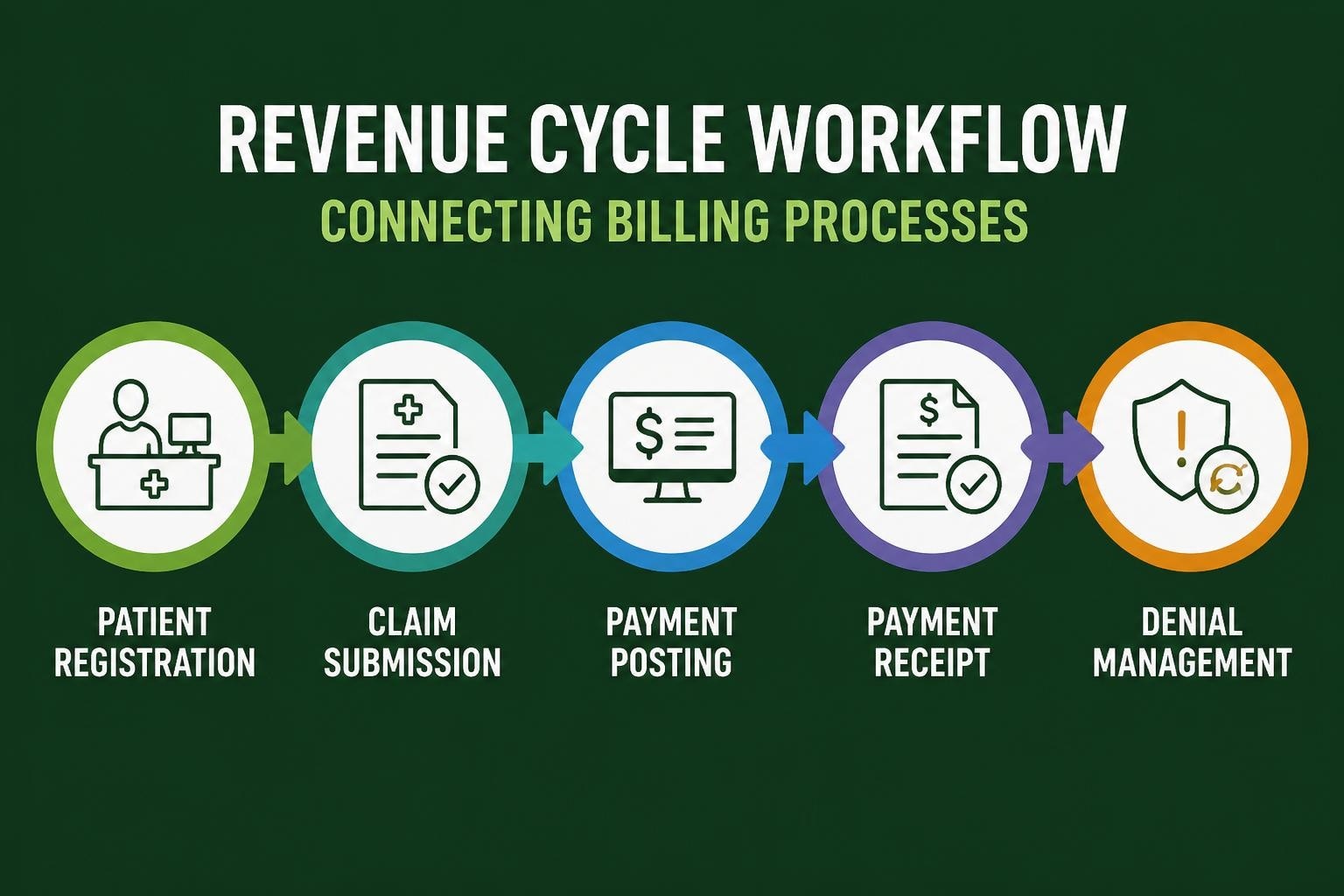
Medical medical billing encompasses the systematic process of submitting and following up on claims with health insurance companies to receive payment for services rendered. This complex operation requires precise documentation, accurate coding, and thorough knowledge of payer requirements. The process begins the moment a patient schedules an appointment and continues through final payment reconciliation.
Healthcare providers must navigate several critical components:
- Patient registration and insurance verification
- Accurate coding using CPT, ICD-10, and HCPCS systems
- Timely claim submission to insurance carriers
- Payment posting and reconciliation
- Denial management and appeals processing
The foundation of successful medical medical billing lies in understanding how each element interconnects within the broader revenue cycle management process. Effective billing operations require continuous attention to detail and systematic approaches to each phase.
Compliance Requirements in Medical Medical Billing
Regulatory compliance represents a non-negotiable aspect of medical billing operations. Healthcare providers must adhere to strict standards established by federal and state agencies, with HIPAA compliance medical billing requirements at the forefront. Violations can result in substantial penalties, making compliance expertise essential for every practice.
Medical billing compliance extends beyond HIPAA to include accurate coding practices, proper modifier usage, and appropriate documentation standards. Providers should implement regular audits to identify potential compliance gaps before they become problematic.
| Compliance Area | Key Requirements | Risk Level |
|---|---|---|
| HIPAA Privacy | Secure PHI handling, patient consent | Critical |
| Coding Accuracy | Current code sets, proper documentation | High |
| Billing Practices | No upcoding, unbundling, or balance billing | High |
| Payer Contracts | Adherence to negotiated terms | Medium |
| Documentation | Complete medical records supporting claims | Critical |
Understanding different types of medical coding ensures your practice applies the correct codes for every service, reducing audit risk and supporting appropriate reimbursement levels.
Optimizing Medical Medical Billing Performance
Efficiency in medical medical billing directly impacts practice profitability and operational sustainability. Healthcare providers implementing medical billing best practices consistently achieve higher collection rates and reduced accounts receivable days. Strategic optimization requires both technological investment and process refinement.
Step-by-Step Process for Effective Claims Management
1. Front-End Revenue Cycle Excellence
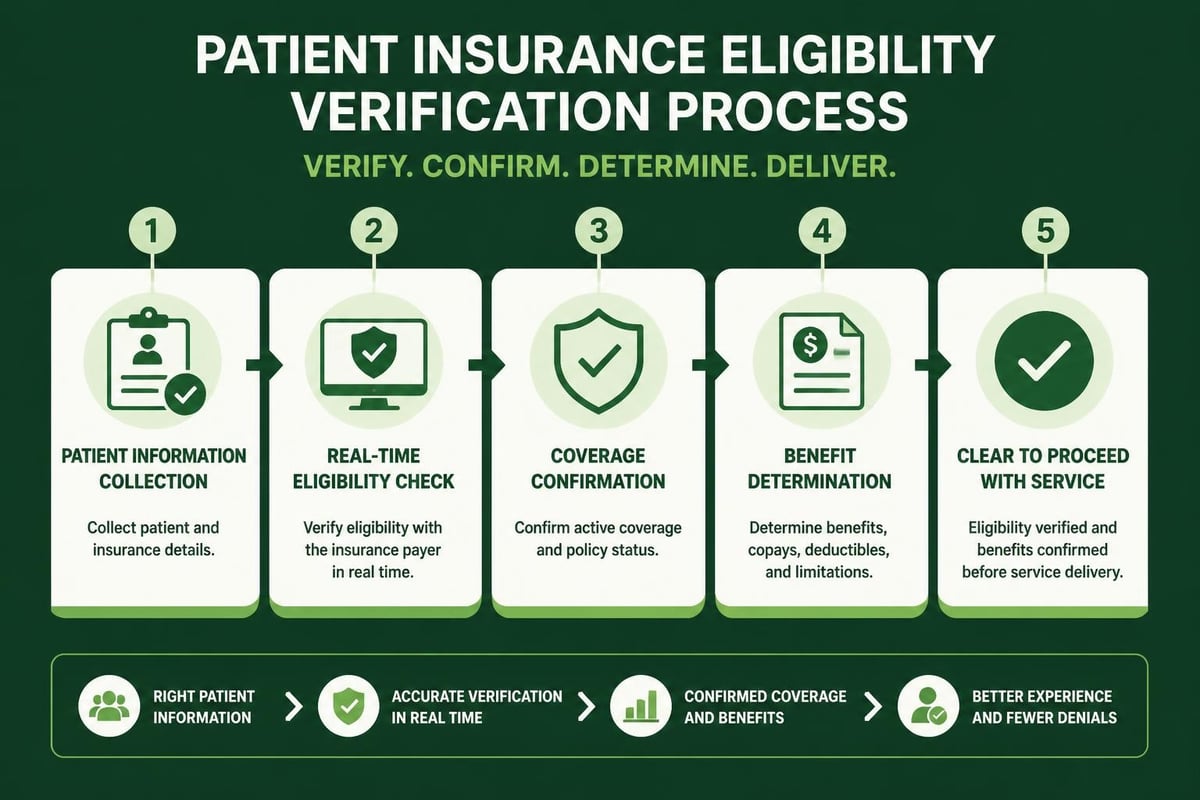
The billing process begins long before claim submission. Accurate patient registration and insurance verification prevent downstream denials and payment delays. Staff training on proper data collection ensures clean information flows through your entire system.
2. Precise Coding and Charge Capture
Charge entry in medical billing demands attention to every detail. Providers must document services comprehensively, allowing coders to select appropriate codes reflecting the complexity and nature of care delivered. Missing charges represent lost revenue that practices can never recover.
3. Clean Claim Submission
Submitting clean claims in medical billing should be every practice’s primary objective. Clean claims process faster, improve cash flow, and reduce administrative burden associated with resubmissions and appeals.
4. Proactive Denial Management
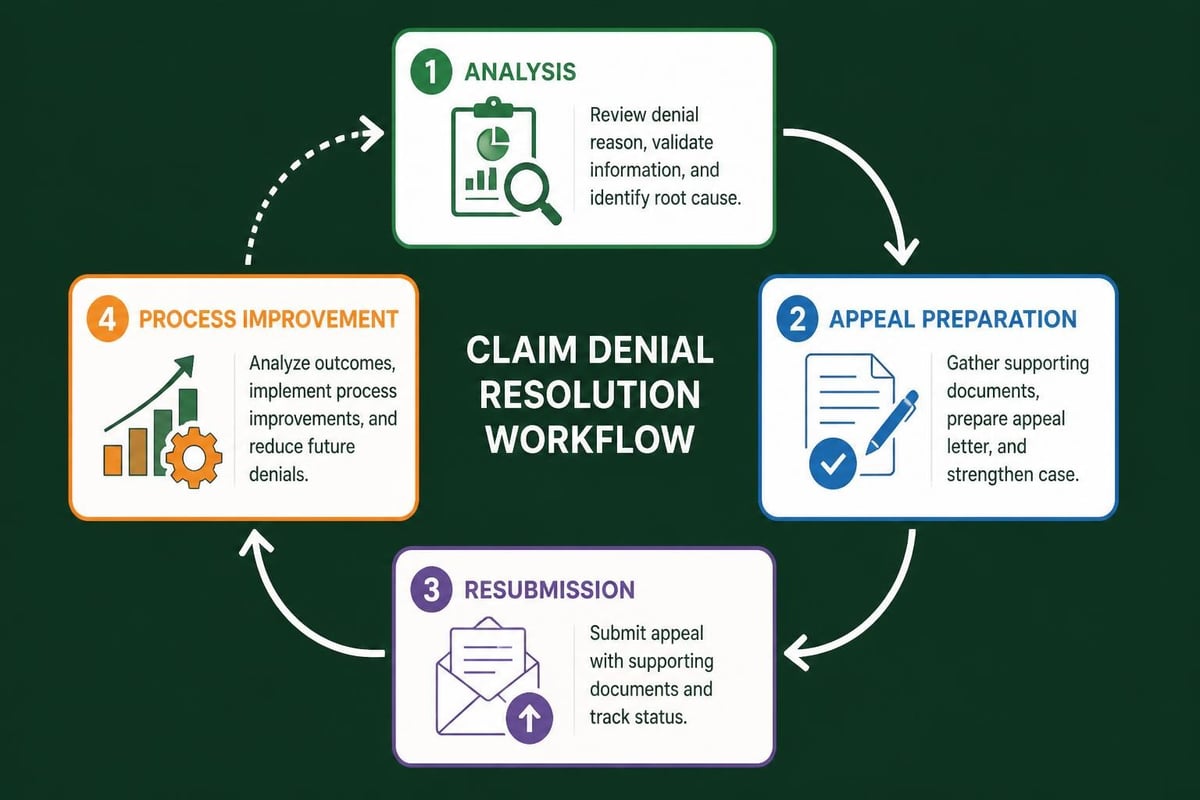
When denials occur, swift action determines financial outcomes. Effective denial management in medical billing requires systematic analysis of denial patterns, root cause identification, and implementation of preventive measures. Understanding how denial management improves cash flow motivates practices to prioritize this critical function.
Common Challenges in Medical Medical Billing Operations
Healthcare practices encounter numerous obstacles in maintaining efficient billing operations. Payer policy changes, coding updates, and staff turnover create ongoing challenges requiring consistent attention and adaptation. Recognizing these challenges allows providers to develop strategies addressing them proactively.
Managing Accounts Receivable Effectively
Aging accounts receivable drains practice resources and threatens financial stability. Managing AR in medical billing requires disciplined follow-up processes, clear escalation protocols, and performance metrics tracking collection effectiveness. Practices should establish benchmarks for acceptable AR aging and implement corrective actions when metrics deteriorate.
Critical AR management strategies include:
- Daily payment posting and reconciliation
- Weekly aging report review and action planning
- Systematic patient balance collection processes
- Automated payment plan offerings
- Strategic write-off policies for uncollectible balances
Technology Integration and Workflow Efficiency
Modern medical medical billing relies heavily on technology platforms streamlining operations and reducing manual errors. Integration between electronic health records and practice management systems ensures seamless data flow from clinical documentation through claim submission. However, technology alone cannot compensate for poor processes or inadequately trained staff.
| Technology Component | Primary Function | Efficiency Impact |
|---|---|---|
| EHR Systems | Clinical documentation | High |
| Practice Management | Scheduling, billing, reporting | Critical |
| Clearinghouses | Claim scrubbing, submission | High |
| ERA/EFT Processing | Electronic payment posting | Medium |
| Analytics Platforms | Performance monitoring | Medium |
The American Academy of Family Physicians provides guidance on integrating billing and coding functions that support both clinical and financial objectives.
Strategic Approaches to Revenue Optimization
Maximizing revenue from medical medical billing requires strategic thinking beyond simply processing claims. Forward-thinking practices analyze payer contracts, negotiate favorable terms, and implement revenue cycle billing strategies aligned with their patient populations and service offerings. Revenue optimization represents an ongoing journey rather than a destination.
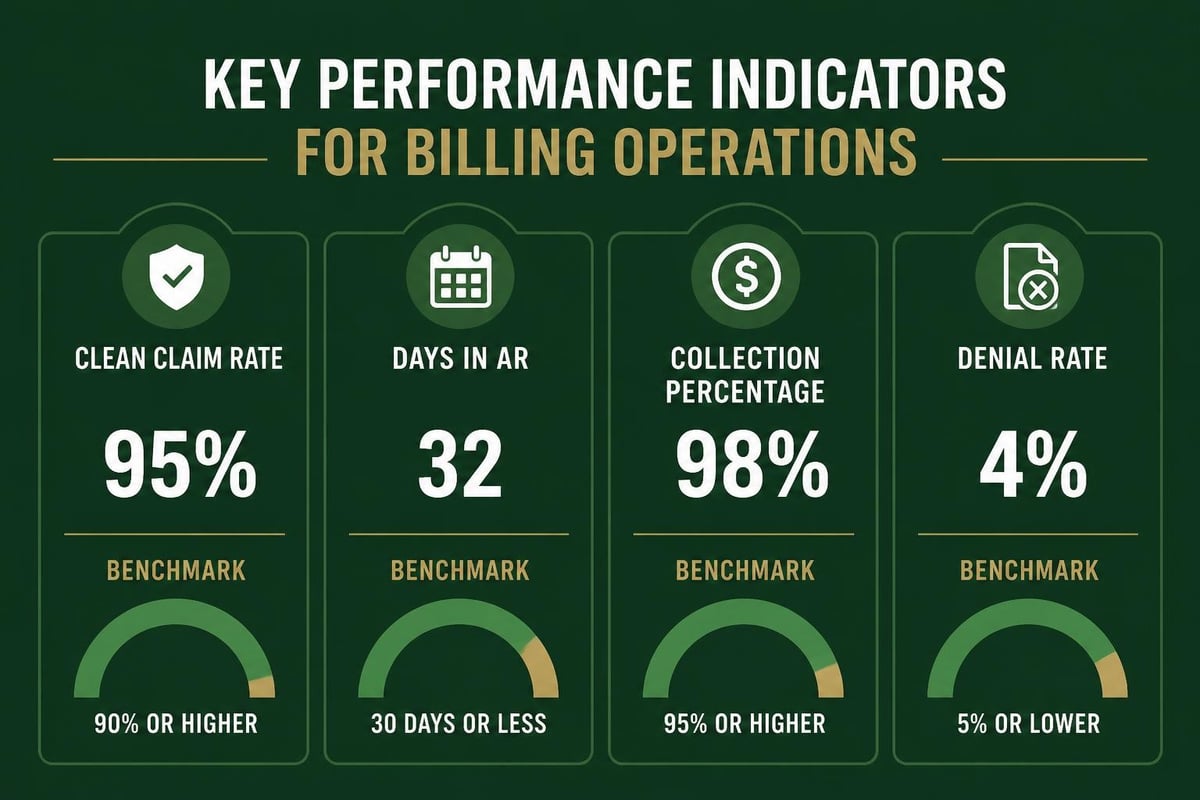
Practices should regularly benchmark their performance against industry standards, identifying opportunities for improvement in specific areas. Medical billing best practices for higher collections emphasize continuous monitoring and adjustment based on performance data.
Staffing and Training Considerations
The quality of medical medical billing outcomes depends heavily on staff expertise and engagement. Investing in comprehensive training programs ensures team members understand coding requirements, payer policies, and compliance obligations. Understanding what billing and coding specialists do helps practices appreciate the specialized knowledge required for this function.
Effective training programs address:
- Current procedural terminology and diagnosis coding
- Payer-specific billing requirements and portals
- Compliance standards and audit preparation
- Customer service skills for patient interactions
- Technology platform proficiency
Regular continuing education keeps staff current with industry changes, including annual coding updates, regulatory modifications, and emerging best practices.
Outsourcing Considerations for Medical Medical Billing
Many healthcare providers evaluate whether to manage billing internally or partner with specialized service providers. This decision involves analyzing cost structures, performance metrics, compliance capabilities, and strategic priorities. Neither approach is universally superior; the optimal choice depends on practice-specific circumstances and objectives.
Outsourcing medical medical billing can provide access to specialized expertise, advanced technology platforms, and scalable resources without significant capital investment. Service providers offer dedicated teams focused exclusively on revenue cycle performance, often achieving superior results compared to practices managing billing alongside clinical operations.
When evaluating potential partners, providers should assess experience with their specialty, technology capabilities, reporting transparency, and cultural fit. Successful partnerships require clear communication, aligned incentives, and mutual commitment to continuous improvement.
Successful medical medical billing operations require expertise, technology, systematic processes, and unwavering attention to compliance and accuracy. Healthcare providers struggling with billing performance, staffing challenges, or compliance concerns should consider partnering with specialists who deliver measurable improvements in revenue capture and operational efficiency. Greenhive Billing Solutions offers comprehensive revenue cycle management services designed to maximize reimbursements while ensuring compliance and streamlining operations for practices across the United States.

