
Healthcare providers face mounting pressure to maintain financial stability while delivering quality patient care. The intersection of medical billing and accounts receivable represents a critical component of practice sustainability, directly impacting cash flow and operational efficiency. Understanding how to optimize these processes can mean the difference between a thriving practice and one struggling to meet financial obligations.
Understanding the Fundamentals of Medical Billing and Accounts Receivable
Medical billing and accounts receivable form the financial backbone of healthcare operations. While medical billing encompasses the process of submitting and following up on claims with health insurance companies, accounts receivable represents the outstanding payments owed to a practice for services rendered.
The Revenue Cycle Connection
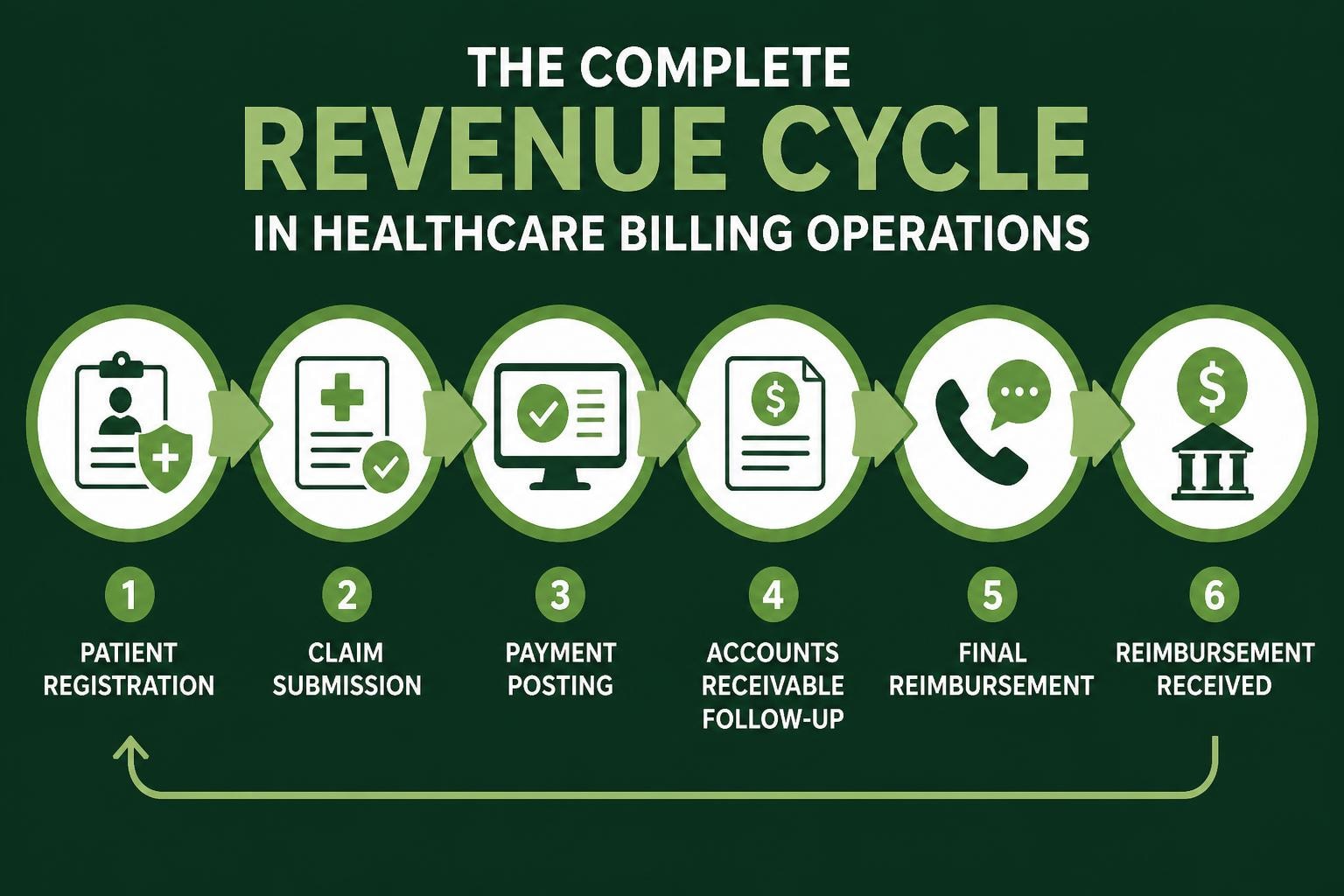
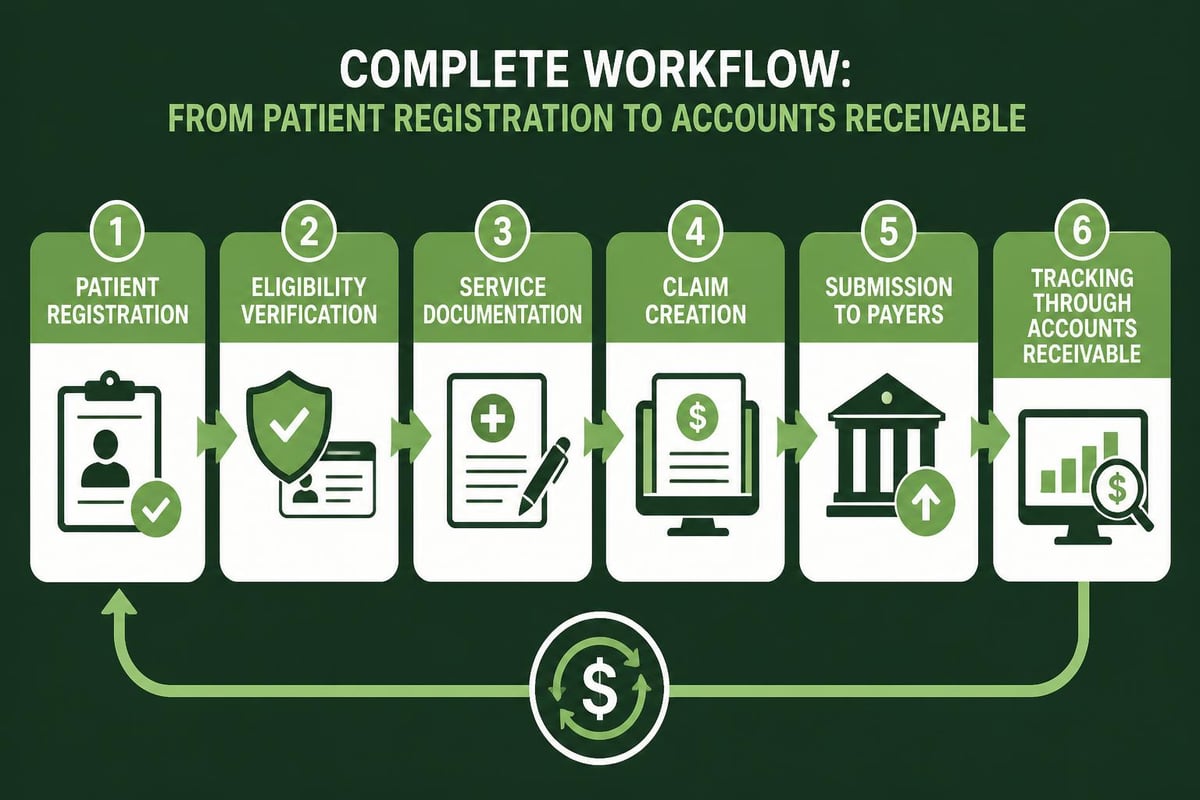
The revenue cycle begins when a patient schedules an appointment and continues through final payment collection. Each step in this cycle affects your practice’s financial health. Revenue cycle billing integrates multiple processes including insurance verification, charge entry, claim submission, payment posting, and accounts receivable management.
Key components of the revenue cycle include:
- Patient registration and insurance verification
- Medical coding and charge capture
- Claim submission and adjudication
- Payment posting and reconciliation
- Accounts receivable follow-up and collections
According to research on how to improve medical billing accounts receivable, practices that implement comprehensive verification processes experience fewer claim denials and faster payment cycles.
Defining Accounts Receivable in Healthcare
Accounts receivable in medical practices differs significantly from other industries due to the complexity of healthcare reimbursement. Multiple payer sources, varying contract terms, and regulatory requirements create unique challenges. As explained by the National Medical Billing Authority, effective AR management requires specialized knowledge and consistent monitoring.
Days in AR (accounts receivable) serves as a critical metric for measuring financial health. This calculation divides total AR by average daily charges, revealing how long it takes to collect payment after services are provided. Most healthy practices maintain days in AR below 40, though this benchmark varies by specialty and payer mix.
Common Challenges in Medical Billing and Accounts Receivable Management
Healthcare providers encounter numerous obstacles when managing medical billing and accounts receivable processes. Identifying these challenges represents the first step toward implementing effective solutions.
Claim Denials and Rejections
Claim denials remain one of the most significant barriers to timely reimbursement. Understanding how denial management in medical billing improves cash flow helps practices develop proactive strategies. Denials occur for multiple reasons including coding errors, missing information, authorization issues, and timely filing violations.
| Denial Type | Common Causes | Prevention Strategy |
|---|---|---|
| Coding Errors | Incorrect CPT/ICD codes, lack of medical necessity | Regular training, coding audits, documentation improvement |
| Registration Issues | Incorrect patient information, insurance verification failures | Front-desk training, automated verification systems |
| Authorization Problems | Missing pre-authorization, out-of-network services | Pre-service verification, authorization tracking |
| Timely Filing | Claims submitted beyond payer deadlines | Automated claim scrubbing, submission tracking |
Inefficient Follow-Up Processes
Many practices struggle with systematic accounts receivable follow-up. Without structured processes, outstanding claims age without action, reducing the likelihood of successful collection. Best practices from Wise’s healthcare AR management guide emphasize the importance of regular claim aging reviews and prioritized follow-up protocols.
Effective follow-up requires:
- Daily monitoring of claim status and payment posting
- Weekly aging reports to identify outstanding balances
- Prioritized work lists based on claim age and dollar value
- Documented communication with payers and patients
- Performance metrics tracking team productivity and collection rates
Strategic Approaches to Optimize Medical Billing and Accounts Receivable
Implementing strategic improvements to medical billing and accounts receivable processes delivers measurable financial benefits. These approaches focus on prevention, efficiency, and continuous improvement.
Front-End Revenue Cycle Optimization
The foundation of healthy accounts receivable begins before services are rendered. Insurance verification, benefit confirmation, and patient responsibility estimation prevent downstream payment issues. When practices verify coverage before appointments, they reduce denials related to eligibility, authorization, and covered services.
Verifying medical insurance accurately requires checking multiple elements including active coverage, benefit limitations, authorization requirements, and patient cost-sharing responsibilities. Advanced verification processes also identify coordination of benefits situations where multiple insurance plans exist.
Coding Accuracy and Documentation
Accurate medical coding directly impacts claim acceptance and payment speed. Providers who understand different types of medical coding can better support their billing teams through comprehensive documentation. The relationship between clinical documentation and coding accuracy cannot be overstated.
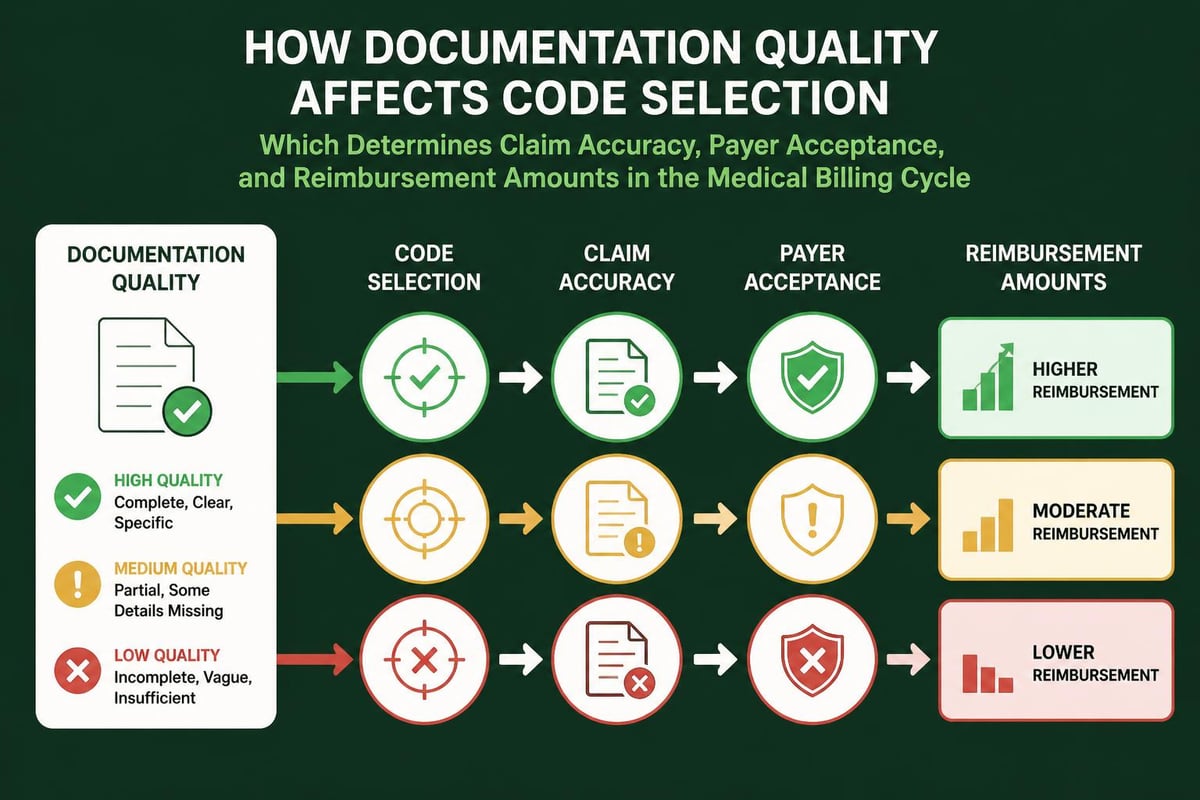
Documentation best practices include:
- Clearly stating medical necessity for all procedures
- Documenting all relevant diagnoses supporting services
- Recording specific details required for accurate code selection
- Ensuring provider signatures and dates on all records
- Linking diagnoses to corresponding procedures appropriately
Technology Integration for AR Management
Modern medical billing and accounts receivable management relies heavily on technology. Practices that leverage best medical billing software for small business operations gain significant advantages through automation and real-time reporting.
Technology solutions streamline multiple aspects of revenue cycle management. Automated claim scrubbing identifies errors before submission, reducing rejections. Electronic remittance advice (ERA) processing accelerates payment posting. Integrated reporting provides visibility into key performance indicators, enabling data-driven decision-making.
Performance Metrics and Monitoring Systems
Measuring medical billing and accounts receivable performance requires tracking specific metrics that reveal operational efficiency and financial health. These indicators guide improvement initiatives and benchmark progress over time.
Essential AR Metrics to Monitor
Days in accounts receivable provides a high-level view of collection efficiency, but comprehensive monitoring requires multiple metrics. The Medical Accounts Receivable Monitoring guide emphasizes tracking various indicators to gain complete financial visibility.
| Metric | Calculation | Target Range | Significance |
|---|---|---|---|
| Days in AR | Total AR ÷ Average Daily Charges | 30-40 days | Overall collection efficiency |
| AR Over 90 Days | Balances over 90 days ÷ Total AR | <15% | Aging trend indicator |
| Clean Claim Rate | Clean claims ÷ Total claims submitted | >95% | Submission quality measure |
| Collection Rate | Payments collected ÷ Total charges | >95% | Revenue capture effectiveness |
| Denial Rate | Denied claims ÷ Total claims submitted | <5% | Process quality indicator |
Aging Analysis and Prioritization
Regular analysis of accounts receivable aging reports reveals patterns and priorities for collection efforts. Claims age in predictable categories: 0-30 days, 31-60 days, 61-90 days, 91-120 days, and over 120 days. Collection probability decreases significantly as claims age beyond 90 days.
Effective practices stratify their AR by age and payer, focusing resources on high-value claims within optimal collection windows. According to insights from MedUsind’s AR management guide, systematic aging analysis prevents revenue leakage and improves overall collection performance.
Best Practices for Sustainable Revenue Performance
Long-term success in medical billing and accounts receivable management requires establishing sustainable practices that adapt to industry changes while maintaining consistent performance standards.
Staff Training and Development
The complexity of medical billing demands ongoing education for revenue cycle staff. Understanding what billing and coding specialists do helps practices appreciate the specialized knowledge required for effective revenue cycle operations.
Comprehensive training programs should address:
- Current coding guidelines including annual CPT and ICD updates
- Payer-specific requirements for major insurance companies
- Denial management techniques and appeals processes
- Communication skills for patient and payer interactions
- Technology proficiency with billing and practice management systems
- Compliance requirements including HIPAA and fraud prevention
Patient Communication and Transparency
Clear communication about financial responsibility improves patient collections and reduces bad debt. Practices that explain costs upfront, offer payment plans, and send timely statements experience better collection rates from patient balances.
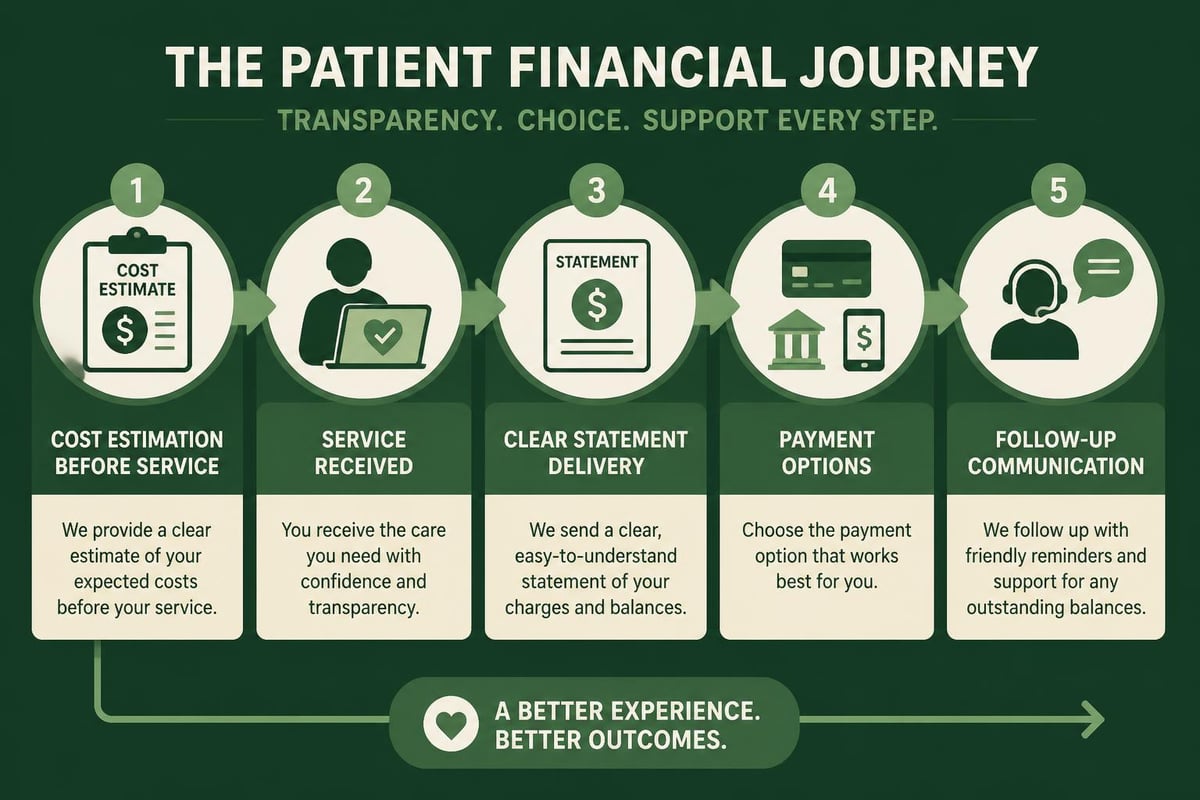
Transparency builds trust and facilitates payment. When patients understand their financial obligations before receiving care, they can make informed decisions and plan for payment. This approach reduces surprise bills and improves patient satisfaction alongside financial performance.
Outsourcing Versus In-House Management
Healthcare providers must decide whether to manage medical billing and accounts receivable internally or partner with specialized service providers. This decision depends on practice size, complexity, internal expertise, and strategic priorities.
Working with top medical billing companies provides access to specialized expertise, advanced technology, and scalable resources. Professional revenue cycle management services offer consistent performance monitoring, regulatory compliance, and often improve collection rates while reducing administrative burden.
Benefits of professional RCM services include:
- Access to experienced billing specialists without hiring costs
- Advanced technology platforms without capital investment
- Scalability to accommodate practice growth
- Comprehensive reporting and performance analytics
- Reduced denial rates through specialized expertise
- Compliance assurance with changing regulations
According to Outsource Strategies’ AR performance guide, practices that partner with specialized providers often see improved reimbursement rates and reduced days in AR within the first quarter of engagement.
Specialized Considerations for Different Practice Types
Medical billing and accounts receivable management varies across healthcare settings. Each practice type faces unique challenges requiring tailored approaches.
Physician Practice Revenue Cycle Management
Small to mid-sized physician practices require efficient physician RCM processes that maximize revenue without requiring large administrative teams. These practices benefit from streamlined workflows, automated claim submission, and focused follow-up on high-value accounts.
Single-specialty practices can develop deep expertise in specialty-specific coding and payer requirements, potentially achieving higher clean claim rates. Multi-specialty practices require more complex systems to accommodate varied coding requirements and payer contracts across specialties.
Behavioral Health Billing Complexities
Medical billing for behavioral health presents unique challenges including authorization requirements, session limits, and specific documentation standards. Mental health providers must navigate complex benefit structures and varying coverage policies across payers.
Behavioral health billing requires attention to authorization management, session tracking, and diagnosis code specificity. Providers must document medical necessity thoroughly and maintain awareness of coverage limitations to prevent denials and optimize reimbursement.
Urgent Care Revenue Cycle Considerations
Urgent care revenue cycle management demands rapid processing and efficient follow-up due to high patient volumes and mixed payer environments. These facilities see significant self-pay populations alongside traditional insurance, requiring balanced collection strategies.
Urgent care centers benefit from point-of-service collection strategies, automated eligibility verification, and efficient charge capture processes. The fast-paced environment requires technology solutions that support real-time decision-making and minimize administrative burden on clinical staff.
Advanced Strategies for AR Optimization
Beyond foundational practices, sophisticated approaches to medical billing and accounts receivable management deliver additional performance gains for practices committed to revenue cycle excellence.
Predictive Analytics and Reporting
Advanced analytics identify patterns in denials, payment delays, and collection challenges before they significantly impact revenue. Healthcare revenue cycle analytics transform raw data into actionable insights that guide strategic decision-making.
Predictive modeling can forecast cash flow, identify high-risk claims, and optimize resource allocation. These tools enable proactive management rather than reactive problem-solving, improving financial predictability and stability.
Clean Claim Initiatives
Achieving high clean claim rates requires systematic attention to submission quality. Understanding what constitutes a clean claim in medical billing helps practices implement quality controls that prevent rejections and denials.
Steps to improve clean claim rates:
- Implement automated claim scrubbing technology before submission
- Establish coding review processes for complex or high-value claims
- Monitor payer-specific rejection patterns and adjust workflows
- Conduct regular audits of coding and billing accuracy
- Provide feedback loops to clinical documentation sources
- Track root causes of rejections and denials systematically
Denial Prevention and Resolution
While some denials are inevitable, systematic approaches minimize their frequency and financial impact. Research from Serbin Medical Billing on ASC collections emphasizes prevention through verification, accurate coding, and timely follow-up.
Effective denial management requires categorizing denials by type, analyzing root causes, and implementing preventive measures. When denials occur, structured appeals processes with proper documentation increase overturn rates and recover revenue that might otherwise be written off.
Regulatory Compliance and Risk Management
Medical billing and accounts receivable operations must comply with extensive regulations governing healthcare finance, privacy, and fraud prevention. Compliance failures carry significant financial and legal consequences beyond lost revenue.
HIPAA Compliance in Billing Operations
All billing activities must protect patient health information according to HIPAA requirements. This includes secure transmission of claims, protected storage of patient data, and controlled access to billing systems. Staff training on privacy practices is essential for maintaining compliance.
Billing service providers and practice staff must understand permitted uses and disclosures of protected health information for payment purposes. Documentation of business associate agreements and security measures demonstrates compliance commitment.
Fraud and Abuse Prevention
Billing practices must avoid any appearance of fraudulent billing patterns. This requires accurate coding that reflects documented services, appropriate use of modifiers, and honest representation of medical necessity. Regular compliance audits help identify and correct potential issues before they attract regulatory attention.
Understanding regulations around balance billing, unbundling, and upcoding protects practices from costly investigations and penalties. Clear policies and staff training create a culture of compliance that supports both ethical practice and financial success.
Optimizing medical billing and accounts receivable requires comprehensive strategies that address every stage of the revenue cycle from patient registration through final payment. By implementing systematic processes, leveraging technology, and maintaining focus on key performance metrics, healthcare providers can significantly improve their financial performance. Greenhive Billing Solutions partners with healthcare providers nationwide to deliver comprehensive revenue cycle management services that enhance cash flow, reduce denials, and ensure maximum reimbursements. Our experienced team manages medical billing, insurance verification, claims processing, and accounts receivable follow-up with full HIPAA compliance and transparent communication, allowing providers to focus on patient care while we optimize their financial operations.

