
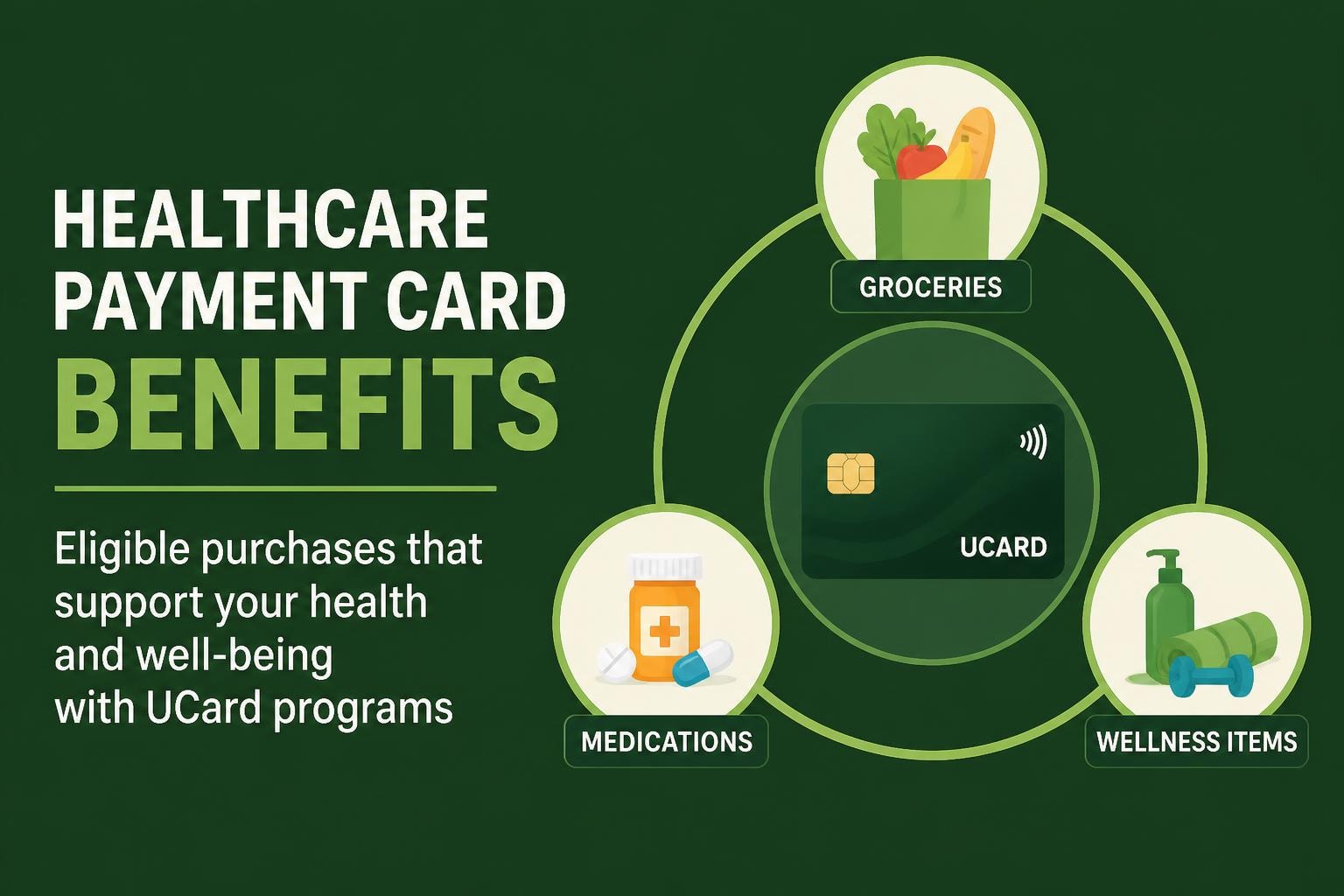
Healthcare providers and revenue cycle professionals need to understand the full scope of benefits available through various health plans, including what can you buy with UCard programs. These specialized debit cards, often provided through Medicare Advantage and Medicaid plans, enable members to purchase specific health-related items and services. For practices managing patient benefits and supporting health insurance management, comprehensive knowledge of UCard purchasing options helps improve patient satisfaction and ensures accurate billing procedures. Understanding these benefit structures also assists revenue cycle teams in coordinating coverage verification and processing claims correctly.
Understanding UCard Benefits and Purchasing Categories
UCard programs function as pre-loaded benefit cards that health insurance plans issue to eligible members. These cards typically come with monthly allowances dedicated to specific health and wellness purchases.
The primary purchasing categories include over-the-counter health products, nutritious food items, utility payments, and transportation services. Each health plan determines the specific allowances and eligible items, making it essential for revenue cycle professionals to verify current benefits during eligibility verification services.
Over-the-Counter Health Products
One of the most common uses for UCard benefits involves purchasing over-the-counter medications and health supplies. Members can typically buy pain relievers, cold and flu medications, first aid supplies, vitamins, and nutritional supplements.
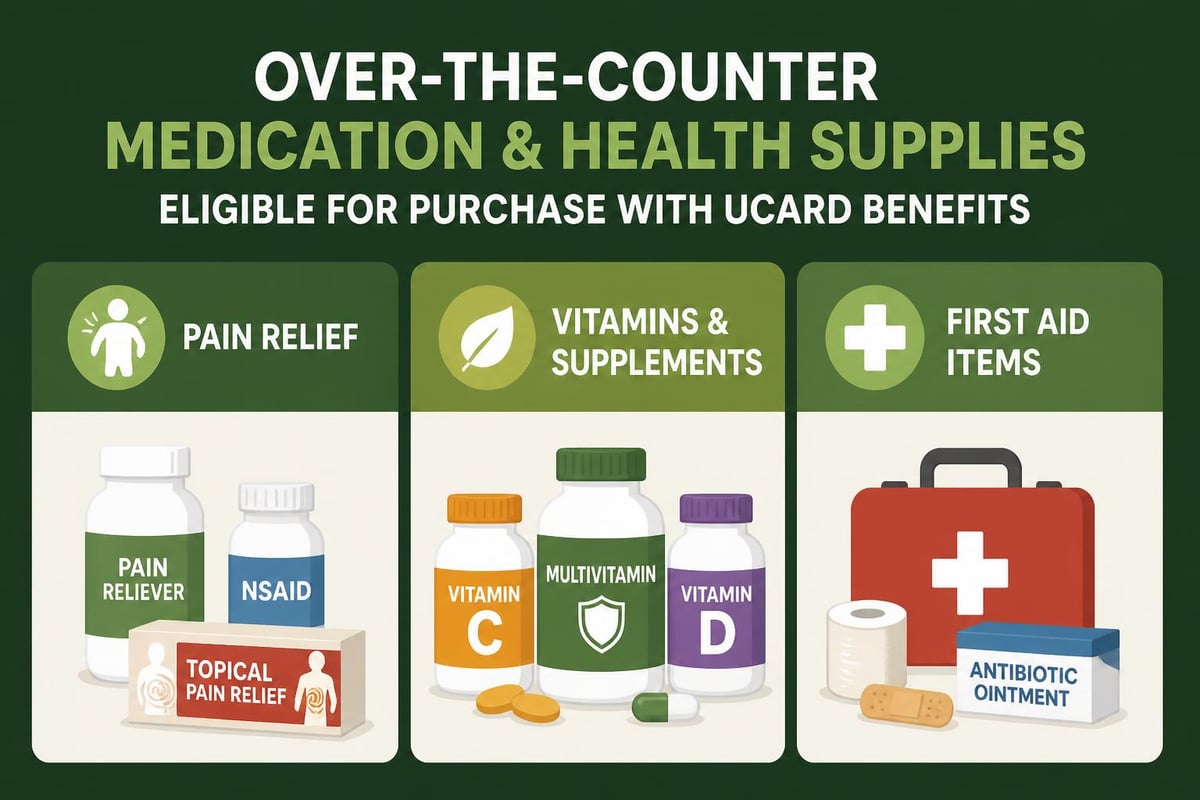
Additional OTC items often include:
- Digestive health products and antacids
- Allergy medications and antihistamines
- Blood pressure monitors and diabetic supplies
- Eye care products including reading glasses
- Oral health items such as dentures adhesives and mouthwash
- Skin care products for medical conditions
Healthcare providers should note that UnitedHealthcare explains the benefits of the UCard through educational resources that help members maximize their allowances. Revenue cycle teams benefit from understanding these programs when coordinating patient benefits and supporting practice financial counseling initiatives.
Healthy Food Options Available Through UCard
What can you buy with UCard extends significantly into nutritious food purchases, representing a major benefit category for many plans. This grocery benefit helps members access healthier food choices that support chronic disease management and overall wellness.
Comprehensive information about healthy food options demonstrates the variety of items available. These typically include dairy products, lean proteins, whole grains, fresh fruits, and vegetables.
| Food Category | Eligible Items | Health Benefits |
|---|---|---|
| Dairy Products | Milk, yogurt, cheese, eggs | Calcium, protein, vitamin D |
| Proteins | Chicken, turkey, fish, lean beef | Essential amino acids, iron |
| Whole Grains | Brown rice, whole wheat bread, oats | Fiber, B vitamins, minerals |
| Produce | Fresh fruits, vegetables, salad greens | Vitamins, antioxidants, fiber |
| Healthy Fats | Nuts, seeds, olive oil, avocados | Omega-3, heart health support |
Shopping Locations and Retail Partners
Major retailers participate in UCard programs, making purchases convenient for members. Walmart offers UCard-eligible food items through designated sections, helping members identify qualifying products quickly.
Healthcare practices can direct patients to participating retailers including:
- National grocery chains with pharmacy departments
- Mass merchandisers offering health and grocery sections
- Regional supermarkets enrolled in UCard networks
- Specialty health food stores in select markets
- Participating pharmacies with expanded grocery sections
For revenue cycle professionals managing medical billing services, understanding these shopping options helps when counseling patients about benefit utilization. This knowledge becomes particularly valuable when practices coordinate care for patients managing diabetes, heart disease, or other chronic conditions where nutrition plays a critical role.
Utility Bill Payment and Essential Services
Beyond health products and groceries, what can you buy with UCard often includes essential utility bill payments. This benefit category recognizes that stable housing and utilities contribute to overall health outcomes.
Eligible utility payments typically cover:
- Electric service bills
- Natural gas heating costs
- Water and sewer services
- Waste management fees
- Internet service for telehealth access
Some plans restrict utility payments to specific amounts or require direct payment to utility providers rather than reimbursement. Revenue cycle teams should verify these details during benefit coordination to provide accurate patient guidance.
Transportation Services for Medical Appointments
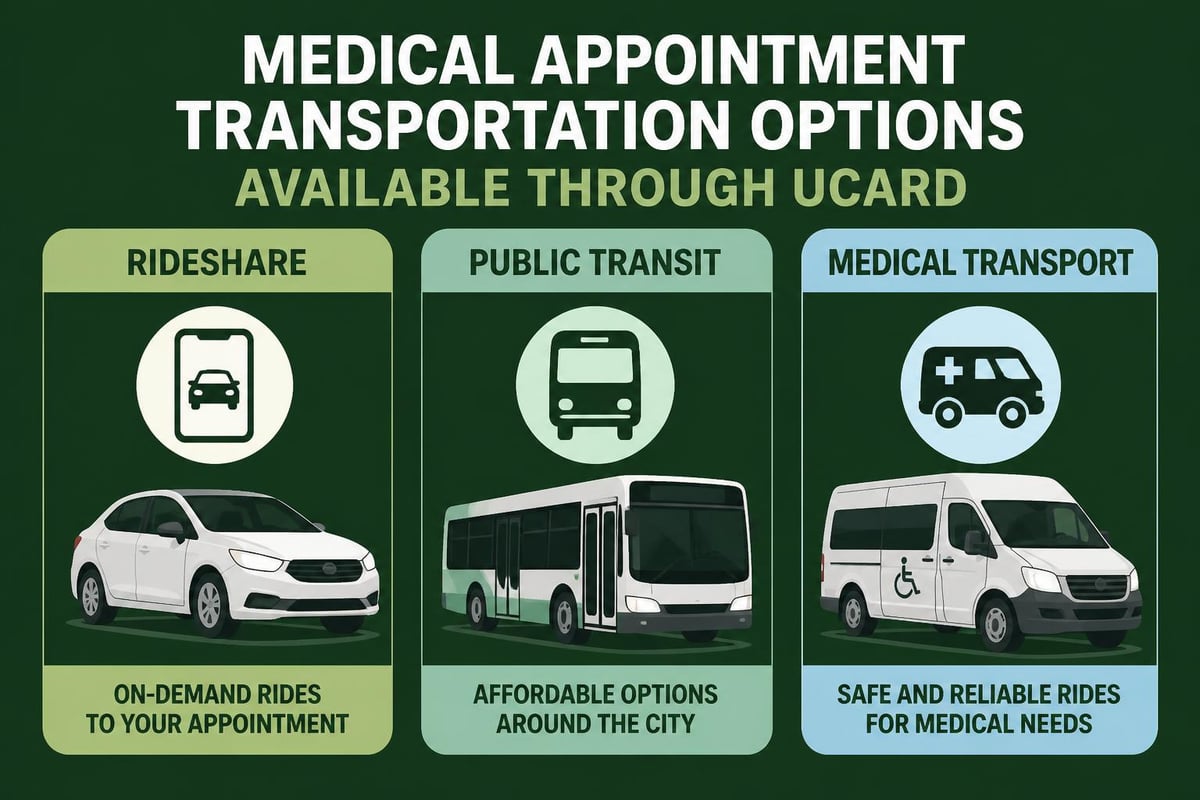
Transportation benefits represent another significant component of UCard programs. Members can often use their cards for rides to medical appointments, pharmacy visits, and other healthcare-related transportation needs.
Eligible transportation services include:
- Rideshare services like Uber and Lyft for medical trips
- Public transportation passes and tokens
- Medical transportation services for non-emergency transport
- Taxi services to and from healthcare facilities
- Mileage reimbursement for personal vehicle use in some plans
Healthcare providers benefit from understanding these transportation benefits when scheduling appointments and reducing no-show rates. Practices implementing denial management services should note that proper transportation benefit verification can improve appointment adherence and reduce revenue disruption from missed visits.
Plan-Specific Variations and Allowance Structures
Different health insurance plans structure their UCard benefits with varying monthly allowances and category restrictions. What can you buy with UCard depends heavily on the specific plan parameters.
Monthly Allowance Ranges
| Plan Type | Typical Monthly Range | Primary Focus Areas |
|---|---|---|
| Medicare Advantage | $50-$200 | OTC products, groceries |
| Medicaid Managed Care | $25-$100 | Essential needs, food |
| Dual Eligible Special Needs | $100-$300 | Comprehensive support |
| Chronic Condition Plans | $75-$250 | Condition-specific items |
Plans may offer higher allowances for members with specific chronic conditions or those meeting certain risk criteria. Revenue cycle professionals should verify current allowances during eligibility verification to ensure accurate benefit counseling.
Category Allocation Requirements
Some plans divide UCard allowances into specific category allocations. For example, a plan might provide $100 monthly with $60 designated for groceries and $40 for OTC products.
Others offer flexible spending across all eligible categories up to the total monthly limit. Understanding these structures helps practices guide patients effectively and supports comprehensive care coordination efforts.
Restrictions and Excluded Items
While UCard programs offer extensive benefits, certain items remain excluded. Revenue cycle teams should understand these restrictions when counseling patients.
Commonly excluded items include:
- Alcoholic beverages and tobacco products
- Household cleaning supplies and paper goods
- Cosmetics and beauty products (unless medically necessary)
- Pet food and animal supplies
- Prepared hot foods and restaurant meals
- Gift cards and cash equivalents
Plans maintain these restrictions to ensure benefits support health-related needs. The specific exclusion lists vary by plan, making verification essential for accurate patient guidance.
Verification and Documentation Requirements
Healthcare practices should implement systematic approaches to verify UCard benefits. This process parallels other insurance verification procedures managed through comprehensive revenue cycle management services.
Step-by-step verification process:
- Obtain member identification including plan name and member ID number
- Contact plan customer service or access provider portal
- Verify current monthly allowance and any category restrictions
- Document rollover provisions if unused benefits carry forward
- Confirm participating retailers in the patient's geographic area
- Record verification date and representative information
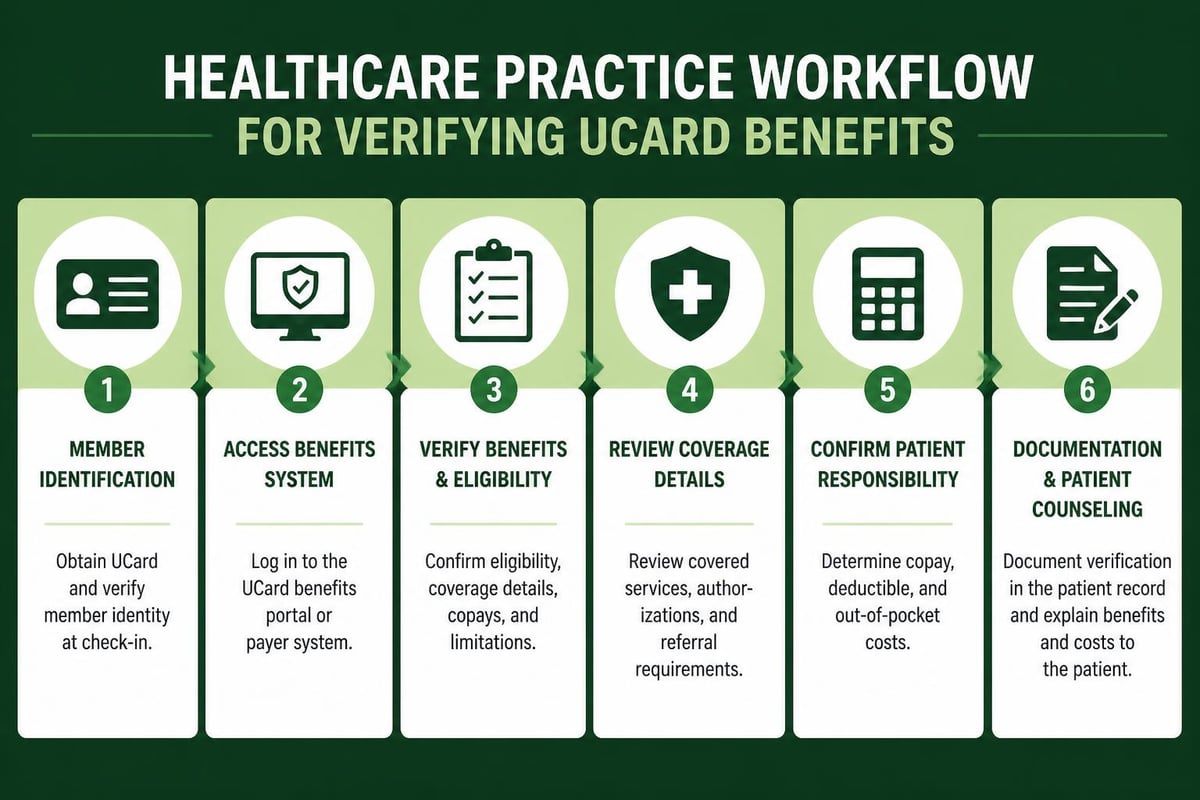
Proper documentation supports accurate patient counseling and demonstrates due diligence in benefit coordination. This systematic approach aligns with best practices in medical billing and coding where verification accuracy directly impacts revenue cycle performance.
Impact on Healthcare Practice Operations
Understanding what can you buy with UCard benefits influences several aspects of practice operations beyond basic billing functions. Forward-thinking practices integrate this knowledge into patient engagement and care coordination strategies.
Patient Education and Support
Practices that educate patients about UCard benefits demonstrate commitment to comprehensive care. This education can occur during:
- Initial patient registration and insurance verification
- Chronic disease management appointments
- Care plan development sessions
- Post-discharge follow-up communications
- Preventive care visits and wellness checks
Providing detailed information about purchasable items helps patients maximize benefits while supporting better health outcomes. Well-informed patients show higher satisfaction rates and better treatment adherence.
Revenue Cycle Implications
UCard programs affect revenue cycle operations in several ways. Practices must balance benefit education with efficient processing procedures to maintain optimal cash flow management.
| Revenue Cycle Area | UCard Impact | Best Practice Response |
|---|---|---|
| Eligibility Verification | Additional benefit categories | Comprehensive verification protocols |
| Patient Counseling | Extended education time | Structured benefit information sheets |
| Appointment Scheduling | Transportation benefit coordination | Proactive benefit confirmation |
| No-Show Reduction | Improved access through transportation | Transportation reminder protocols |
Efficient handling of these elements supports overall practice financial performance while enhancing patient care quality. Integration with existing revenue cycle processes ensures consistency and accuracy.
Supporting Chronic Disease Management Programs
What can you buy with UCard becomes particularly relevant for practices managing patients with chronic conditions. The grocery and OTC benefits directly support disease management protocols.
Diabetes management support:
- Blood glucose monitors and testing supplies
- Healthy food choices supporting glycemic control
- Nutritional supplements recommended by providers
- Transportation to endocrinology appointments
- Diabetic foot care products
Heart disease management support:
- Blood pressure monitoring equipment
- Heart-healthy food options including omega-3 sources
- Low-sodium food choices
- Medications for cholesterol and blood pressure
- Transportation to cardiology visits
Practices specializing in chronic disease management can enhance outcomes by helping patients leverage UCard benefits. This comprehensive approach to care coordination demonstrates value-based care principles increasingly important in modern healthcare delivery.
Quality Measures and Star Ratings
For practices working with Medicare Advantage plans, patient benefit utilization affects quality measures and star ratings. When patients effectively use UCard benefits for medication adherence, preventive care, and chronic disease management, outcomes improve across multiple quality domains.
Revenue cycle teams supporting value-based care arrangements should track UCard benefit education as part of comprehensive patient engagement strategies. This tracking demonstrates practice commitment to holistic patient support beyond traditional fee-for-service models.
Administrative Considerations for Revenue Cycle Teams
Revenue cycle professionals must balance UCard benefit support with efficient operations. Several administrative considerations warrant attention.
Documentation requirements:
- Benefit verification records in patient files
- Education delivery documentation for quality reporting
- Coordination of benefits when multiple coverage exists
- Communication logs regarding benefit questions
- Referral coordination when specialized benefits apply
Staff training needs:
- Regular updates on participating plan changes
- Benefit category modifications and new allowances
- Retail partner network expansions
- Verification system access and navigation
- Patient communication best practices
Investing in comprehensive staff training ensures consistent, accurate benefit information delivery. This investment supports both patient satisfaction and practice efficiency goals.
Integration with Broader Benefit Coordination
Understanding what can you buy with UCard represents one component of comprehensive benefit coordination. Revenue cycle teams must integrate this knowledge with broader insurance verification and authorization processes.
Practices offering prior authorization services should note that UCard benefits typically do not require authorization for standard purchases. However, coordination with medical benefits ensures comprehensive patient support.
Coordination touchpoints include:
- Prescription medication coverage versus OTC alternatives available through UCard
- Durable medical equipment benefits compared to OTC health devices
- Nutrition counseling services supporting grocery benefit utilization
- Transportation benefits for medical appointments versus other transit coverage
- Wellness program incentives that may supplement UCard allowances
Effective coordination prevents benefit duplication while maximizing available resources for patient care. This holistic approach aligns with comprehensive revenue cycle management principles.
Future Trends in Flexible Benefit Programs
The healthcare industry continues expanding flexible benefit programs like UCard offerings. Revenue cycle professionals should anticipate ongoing evolution in these benefit structures.
Emerging trends include:
- Expanded food options with broader retailer participation
- Enhanced technology integration through mobile apps and digital wallets
- Personalized allowances based on individual health needs and risk factors
- Community resource connections linking benefits to local support services
- Telehealth integration supporting virtual care coordination
Staying informed about these developments ensures practices maintain current knowledge for effective patient support. Regular review of plan documents and benefit summaries helps revenue cycle teams stay ahead of changes affecting patient care and practice operations.
Understanding what can you buy with UCard enables healthcare practices to support patients more comprehensively while optimizing benefit utilization. Revenue cycle teams that master these details provide valuable patient education while supporting practice financial performance. Greenhive Billing Solutions helps healthcare providers navigate complex insurance benefits, eligibility verification, and comprehensive revenue cycle management with expertise in benefit coordination and claims processing. Our team ensures your practice maximizes reimbursements while delivering exceptional patient support across all aspects of healthcare billing and revenue optimization.

