
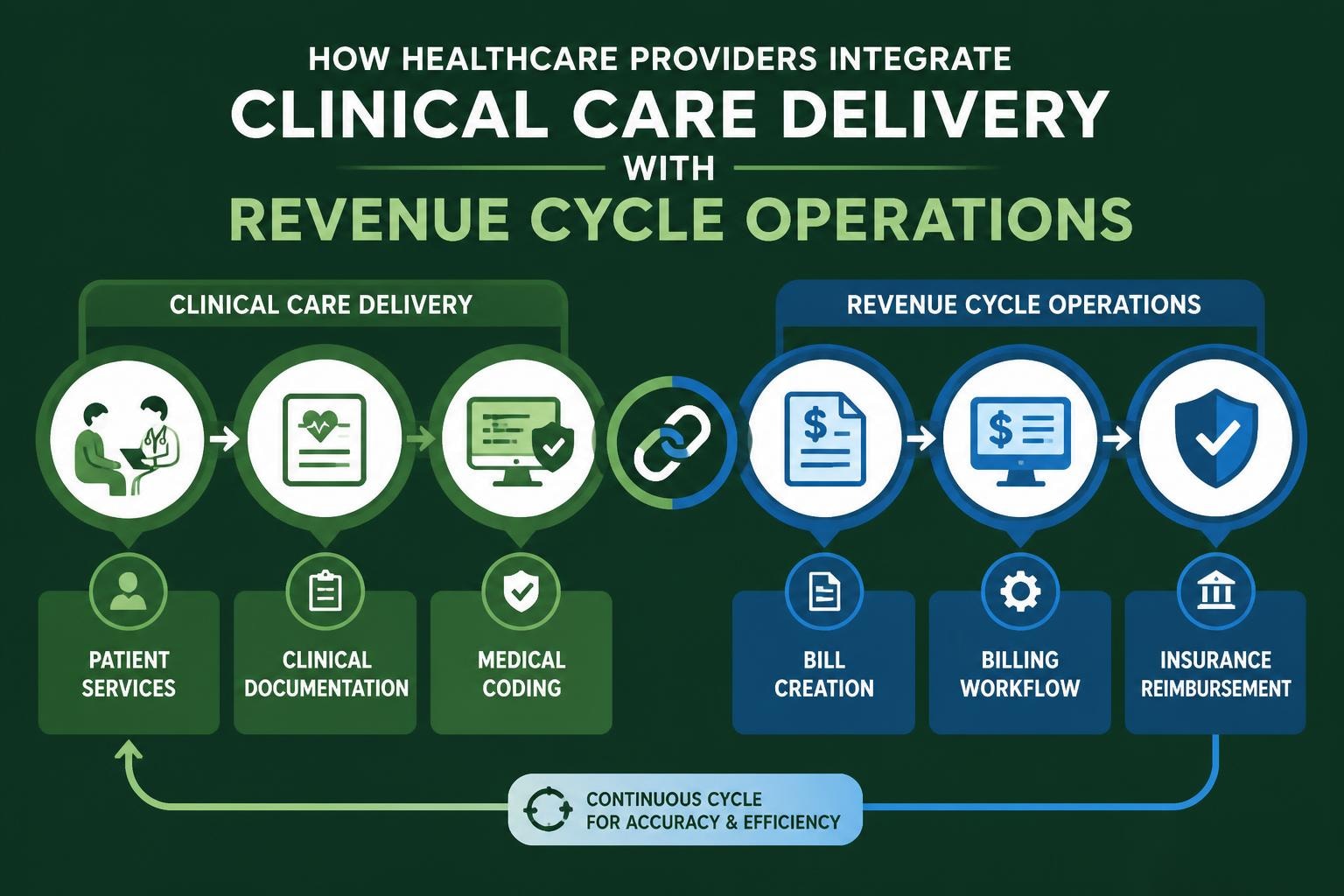
The healthcare landscape continues to evolve at a rapid pace, requiring providers health care organizations to adapt their operational strategies while maintaining exceptional patient care standards. Medical practices face mounting pressure to balance clinical excellence with financial sustainability, navigate complex regulatory requirements, and manage increasingly sophisticated revenue cycle processes. Understanding the full spectrum of providers health care operations, from patient intake through final reimbursement, has become essential for practices seeking to thrive in today’s competitive environment.
Understanding the Providers Health Care Ecosystem
The modern healthcare delivery system comprises multiple interconnected components that must work in harmony to ensure both quality patient outcomes and financial viability. Providers health care organizations operate within a complex framework that includes clinical services, administrative functions, regulatory compliance, and revenue management.
Healthcare providers today must juggle competing priorities while maintaining profitability. Clinical staff focus on patient care, but administrative teams handle the critical backend processes that keep practices financially healthy. This dual focus requires sophisticated coordination between departments and a deep understanding of how clinical decisions impact revenue cycle outcomes.
Key Stakeholders in Providers Health Care Operations
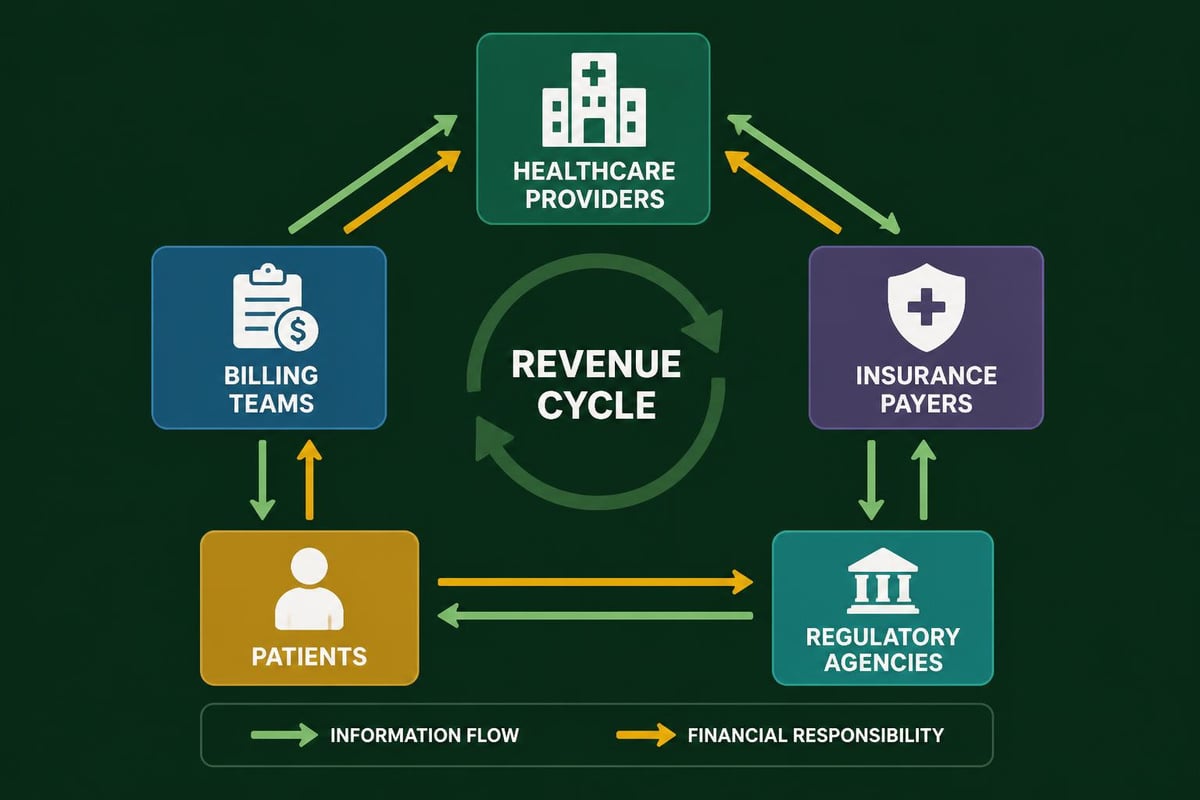
Multiple parties influence how providers health care organizations function on a daily basis:
- Physicians and clinical staff who deliver patient care and document services
- Administrative personnel managing scheduling, registration, and patient communications
- Billing and coding specialists translating clinical documentation into reimbursable claims
- Insurance payers who adjudicate claims and determine reimbursement amounts
- Patients who increasingly bear financial responsibility through high-deductible plans
- Regulatory bodies establishing compliance requirements and quality standards
Each stakeholder plays a distinct role in the revenue cycle, and disruptions at any point can cascade through the entire system. For example, incomplete documentation from providers health care professionals can delay coding, which postpones claim submission and ultimately impacts cash flow.
Optimizing Revenue Cycle Management for Providers Health Care
Revenue cycle management encompasses all administrative and clinical functions that contribute to capturing, managing, and collecting patient service revenue. For providers health care organizations, effective RCM is not simply about processing claims-it represents a comprehensive approach to financial health.
The revenue cycle management process begins before patients even arrive for appointments and continues until all balances are collected. Understanding each phase allows practices to identify bottlenecks and implement targeted improvements.
Critical Phases of the Revenue Cycle
| Phase | Key Activities | Impact on Revenue |
|---|---|---|
| Pre-Service | Insurance verification, prior authorization, patient registration | Reduces denials, ensures coverage confirmation |
| Service Delivery | Accurate documentation, charge capture, clinical coding | Ensures complete billing for services rendered |
| Claims Management | Claim submission, payer follow-up, denial resolution | Accelerates reimbursement, minimizes revenue leakage |
| Post-Service | Payment posting, patient billing, collections | Maximizes total revenue, improves cash flow |
Each phase requires specific expertise and attention to detail. Eligibility verification services in the pre-service phase prevent downstream issues by confirming coverage before care delivery. Similarly, robust denial management services recover revenue that might otherwise be written off.
Documentation Requirements for Providers Health Care
Clinical documentation serves as the foundation for all billing activities. Providers health care professionals must create comprehensive records that support the medical necessity of services while capturing all billable elements. However, according to research on search engine optimization and health content quality, the relationship between information accessibility and accuracy requires ongoing attention.
Essential documentation elements include:
- Chief complaint and patient history
- Physical examination findings
- Medical decision-making rationale
- Treatment plans and prescriptions
- Time-based elements for evaluation and management services
- Follow-up instructions and care coordination
Incomplete documentation creates coding challenges and increases denial risk. When providers health care teams lack specific details about services performed, coders cannot assign the most accurate and comprehensive codes, potentially leaving revenue on the table.
Navigating Compliance and Regulatory Requirements
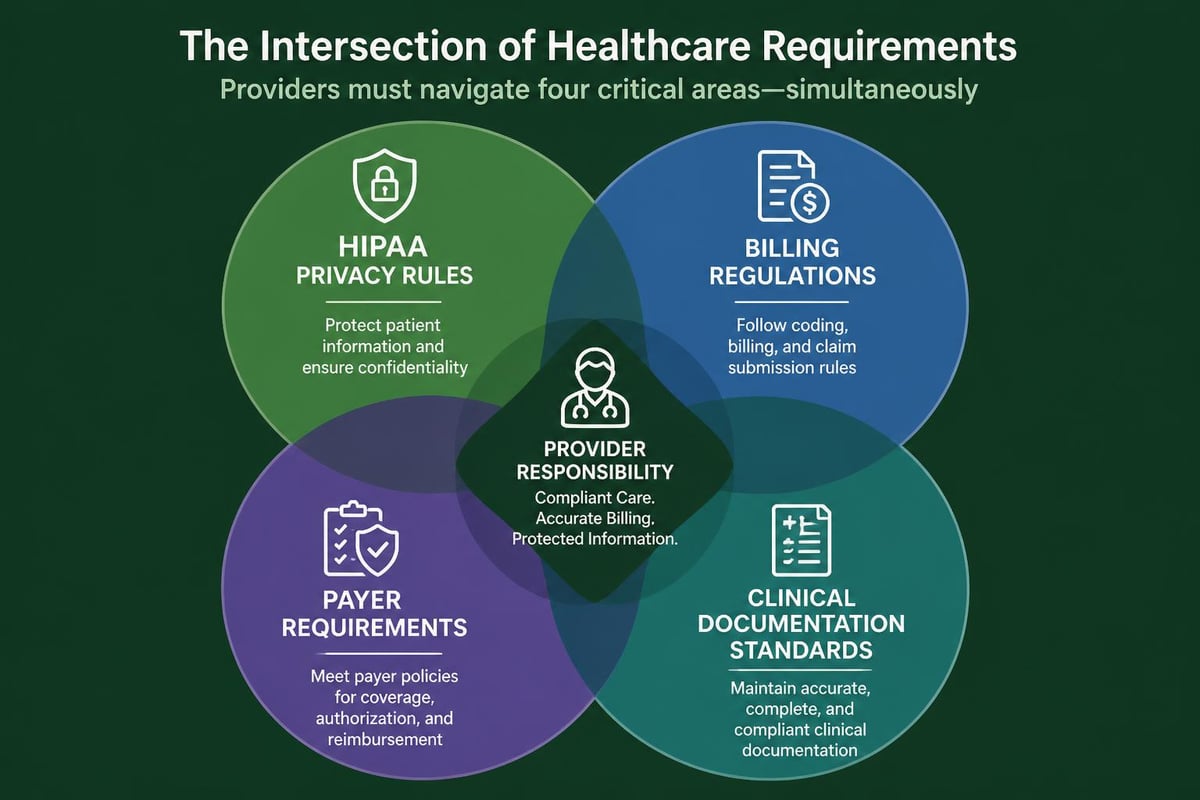
Healthcare regulations continue to expand in scope and complexity, placing additional burdens on providers health care organizations. Compliance failures can result in denied claims, audit findings, financial penalties, and reputational damage.
HIPAA Compliance in Revenue Cycle Operations
The Health Insurance Portability and Accountability Act establishes strict requirements for protecting patient health information. Every touchpoint in the revenue cycle must incorporate appropriate safeguards:
- Secure transmission of electronic claims and remittances
- Access controls limiting PHI exposure to authorized personnel
- Encryption of stored patient financial and clinical data
- Business associate agreements with all third-party vendors
- Regular security risk assessments and mitigation strategies
Providers health care organizations that outsource billing functions must ensure their partners maintain equivalent or superior security standards. HIPAA violations can carry substantial penalties, making vendor selection a critical compliance decision.
Clinical Practice Guidelines and Quality Standards
Beyond privacy regulations, providers health care organizations must adhere to clinical practice guidelines that influence both care delivery and reimbursement. Organizations like Ochsner Health provide clinical practice guidelines developed by specialty societies and research organizations.
These guidelines serve multiple purposes:
- Establishing evidence-based care protocols
- Supporting medical necessity determinations
- Guiding documentation requirements
- Informing quality measure reporting
- Shaping payer coverage policies
As Creighton University explains regarding clinical guidelines, these evidence-based recommendations help providers make informed decisions while ensuring services meet accepted standards of care. When providers health care teams follow established guidelines, they strengthen the medical necessity justification for billed services.
Technology Integration for Providers Health Care Efficiency
Modern healthcare delivery requires sophisticated technology platforms that support both clinical workflows and revenue cycle operations. Providers health care organizations increasingly rely on integrated systems that connect electronic health records, practice management software, and billing platforms.
Essential Technology Components
Electronic Health Records (EHR) Systems serve as the central repository for clinical documentation, enabling providers health care professionals to create comprehensive records that support billing activities. Quality EHR systems include:
- Structured templates for common encounter types
- Built-in coding assistance and documentation prompts
- Integration with laboratory and imaging systems
- E-prescribing and medication reconciliation tools
- Patient portal access for communication and education
Practice Management Systems handle administrative functions including scheduling, registration, insurance verification, and financial reporting. These platforms must communicate seamlessly with EHR systems to ensure data consistency across clinical and administrative workflows.
Revenue Cycle Management Software supports billing operations from claim creation through payment posting. The top medical billing software options offer comprehensive features including eligibility checking, claim scrubbing, electronic submission, remittance processing, and denial tracking.
| Technology Type | Primary Functions | Integration Requirements |
|---|---|---|
| EHR | Clinical documentation, orders, results | HL7 interfaces, API connections |
| Practice Management | Scheduling, registration, reporting | Bidirectional EHR sync, clearinghouse links |
| RCM Platform | Coding, billing, collections | Claim data exchange, ERA/EFT processing |
| Patient Portal | Communications, payments, records | Single sign-on, data synchronization |
Automation Opportunities in Revenue Cycle Operations
Providers health care organizations can leverage automation to reduce manual effort and improve accuracy across multiple revenue cycle functions. Robotic process automation and artificial intelligence increasingly handle repetitive tasks that once required substantial staff time.
Automation applications include:
- Insurance eligibility verification before scheduled appointments
- Claim scrubbing to identify errors before submission
- Payment posting from electronic remittance advice
- Patient statement generation and delivery
- Denial pattern analysis and root cause identification
However, automation requires careful implementation and ongoing oversight. While technology can process routine transactions efficiently, complex cases still require human expertise. Providers health care teams must establish clear protocols defining when automated processes should escalate issues for manual review.
Addressing Common Challenges in Providers Health Care Billing
Even well-managed practices encounter recurring obstacles that impact revenue cycle performance. Understanding these challenges allows providers health care organizations to implement proactive solutions rather than reactive fixes.
Denial Management and Appeals
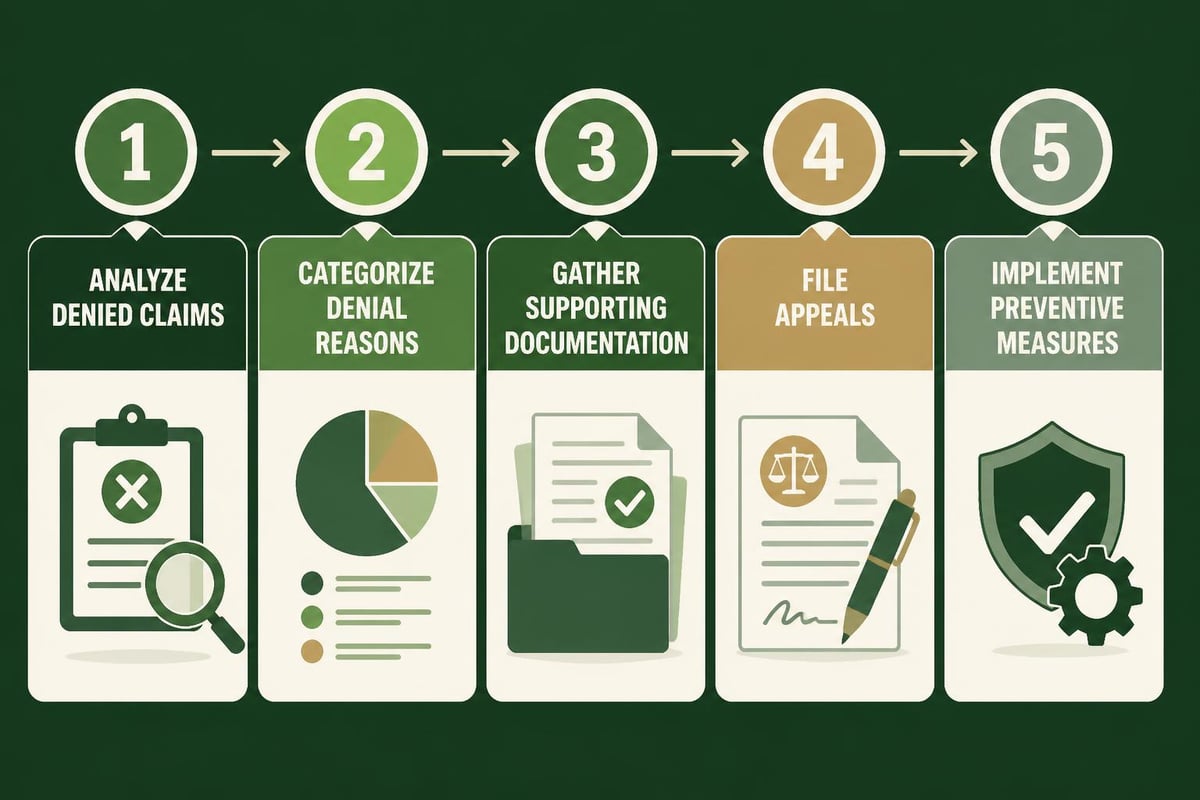
Claim denials represent one of the most significant threats to practice revenue. Providers health care organizations typically experience denial rates ranging from 5% to 15%, though rates vary by specialty and payer mix. Understanding how denial management improves cash flow helps practices prioritize this critical function.
Common denial categories:
- Technical denials resulting from missing information, incorrect patient demographics, or registration errors
- Clinical denials questioning medical necessity, prior authorization, or coverage exclusions
- Coding denials disputing procedure codes, diagnosis codes, or modifier usage
- Timely filing denials when claims exceed payer-specific submission deadlines
- Coordination of benefits denials involving multiple insurance policies
Each denial type requires a different resolution approach. Technical denials often can be corrected and resubmitted quickly, while clinical denials may require detailed appeals with supporting documentation. Providers health care teams should track denial patterns to identify systemic issues requiring process improvements.
Prior Authorization Requirements
Insurance payers increasingly require prior authorization for services ranging from advanced imaging to specialist referrals to surgical procedures. These requirements create administrative burden for providers health care organizations while potentially delaying patient care.
Effective prior authorization services require:
- Familiarity with payer-specific authorization requirements
- Timely submission with complete clinical documentation
- Proactive follow-up to ensure approval before service dates
- Clear communication with patients about authorization status
- Tracking systems to monitor authorization expiration dates
Failed authorizations often result in denied claims and patient dissatisfaction. Providers health care teams must build sufficient lead time into scheduling processes to accommodate authorization turnaround times, which can range from same-day approval to several weeks depending on the service and payer.
Credentialing and Provider Enrollment Essentials
Before providers health care professionals can bill insurance companies, they must complete credentialing and enrollment processes with each payer. This complex, time-consuming process establishes the provider’s qualifications and creates the billing relationship with insurance networks.
Credentialing Process Components
The credentialing process verifies provider qualifications through multiple channels:
- Primary source verification of medical education and training
- License verification confirming active, unrestricted state medical licenses
- Board certification confirmation for applicable specialties
- Work history review covering gaps in employment
- Malpractice insurance verification meeting payer requirements
- DEA and controlled substance registrations when applicable
Credentialing timelines typically span 90 to 180 days from application submission to network participation. Delays in this process directly impact revenue, as services provided before effective dates may not be reimbursable. Providers health care organizations should initiate credentialing immediately upon hiring new professionals.
Maintaining Accurate Provider Information
Credentialing is not a one-time event. Medical credentialing services must address ongoing requirements:
- Recredentialing every two to three years as required by payers
- Updates when providers change practice locations or affiliations
- License renewals and continuing medical education tracking
- Malpractice policy updates including claims history reporting
- Medicare revalidation every five years for Part B participation
Outdated provider information can trigger claim denials and payment delays. Providers health care administrative teams should maintain comprehensive tracking systems for all provider-specific deadlines and requirements.
Financial Performance Metrics for Providers Health Care
Data-driven decision-making requires providers health care organizations to monitor key performance indicators that reveal revenue cycle health. Regular analysis of these metrics enables practices to identify trends, benchmark against industry standards, and implement targeted improvements.
Essential Revenue Cycle KPIs
| Metric | Definition | Target Range |
|---|---|---|
| Days in A/R | Average time from service date to payment | 30-40 days |
| Collection Rate | Percentage of expected revenue collected | 95-99% |
| First Pass Resolution | Claims paid on initial submission | 90-95% |
| Denial Rate | Percentage of claims denied | <5% |
| Cost to Collect | Administrative cost per dollar collected | $0.05-$0.10 |
Days in Accounts Receivable measures how quickly practices convert services into cash. Extended A/R periods indicate collection problems, payer delays, or billing inefficiencies. Providers health care organizations should analyze A/R aging to identify specific payers or service types creating bottlenecks.
Net Collection Rate reveals the percentage of expected revenue actually collected after contractual adjustments. This metric accounts for the difference between charges and allowed amounts, providing a realistic view of revenue realization. Rates below 95% suggest problems with charge capture, coding accuracy, or collection effectiveness.
Benchmarking Against Industry Standards
Comparing performance metrics against specialty-specific benchmarks helps providers health care organizations assess their relative efficiency. However, benchmarking requires careful interpretation, as practice characteristics significantly influence appropriate targets.
Factors affecting benchmark comparisons include:
- Payer mix (Medicare/Medicaid versus commercial insurance)
- Geographic location and regional reimbursement rates
- Practice size and economies of scale
- Specialty-specific coding complexity and denial patterns
- Patient population demographics and socioeconomic factors
Rather than focusing solely on external benchmarks, providers health care teams should track trends over time to measure improvement. Consistent month-over-month or year-over-year gains indicate positive trajectory even if absolute metrics have not yet reached industry targets.
Strategic Partnerships for Revenue Cycle Success
Many providers health care organizations recognize that managing revenue cycle operations internally diverts resources from clinical priorities while potentially limiting financial performance. Strategic outsourcing allows practices to access specialized expertise without building internal infrastructure.
Evaluating Revenue Cycle Management Partners
When considering outsourced billing services, providers health care organizations should assess potential partners across multiple dimensions:
Technical Capabilities
- Compatible software platforms and integration options
- Security infrastructure and HIPAA compliance protocols
- Reporting capabilities and data transparency
- Scalability to accommodate practice growth
Operational Expertise
- Specialty-specific experience with relevant payer contracts
- Staff qualifications and ongoing training programs
- Performance guarantees and service level agreements
- References from similar practice types
Communication and Transparency
- Account management structure and escalation procedures
- Reporting frequency and metrics provided
- Response times for inquiries and issue resolution
- Collaborative approach to process improvement
The top medical billing companies distinguish themselves through comprehensive service offerings, proven results, and transparent communication. Providers health care teams should conduct thorough due diligence, including reference checks and detailed contract review, before selecting a revenue cycle partner.
Service Models and Pricing Structures
Revenue cycle management partnerships typically follow one of several pricing models:
- Percentage of collections aligning partner incentives with practice revenue
- Per-claim fees providing predictable costs for high-volume practices
- Hybrid models combining base fees with performance incentives
- Full-time equivalent staffing for dedicated resources
Each model offers distinct advantages depending on practice characteristics. Percentage-based arrangements motivate partners to maximize collections but can become expensive as revenue grows. Per-claim fees work well for predictable claim volumes but may not account for claim complexity variations.
Information Resources for Providers Health Care Professionals
Staying current with billing regulations, coding updates, and payer policy changes requires ongoing education and access to reliable information sources. Providers health care teams must distinguish credible resources from unreliable content, particularly given the proliferation of online health information.
MedlinePlus offers guidance on evaluating online health information quality, principles that apply equally to clinical and administrative content. When researching billing topics, providers health care professionals should prioritize sources from established organizations, government agencies, and recognized industry authorities.
Credible Information Sources
Government Resources
- CMS.gov for Medicare policy and guidance
- OIG.gov for compliance and fraud prevention
- HHS.gov for HIPAA and privacy regulations
Professional Associations
- MGMA (Medical Group Management Association) for practice management
- AAPC (American Academy of Professional Coders) for coding education
- HFMA (Healthcare Financial Management Association) for revenue cycle insights
Payer-Specific Portals
- Provider manuals and billing guidelines
- Coverage policies and local coverage determinations
- Claims status and remittance information
Research examining credibility evaluation frameworks for health information emphasizes the importance of authoritative signals when assessing source reliability. Providers health care teams should verify information through multiple reputable sources before implementing operational changes based on new guidance.
Additionally, the University of Miami Health System discusses strategies for identifying reliable health information, reinforcing the need for critical evaluation of online resources. MedlinePlus also provides directories helping users locate professionals, services, and facilities with established credibility.
Small Practice Considerations for Providers Health Care
Small and independent practices face unique challenges in managing revenue cycle operations. Limited administrative staff must handle diverse responsibilities, making it difficult to develop deep expertise in specialized areas like coding, denial management, or payer negotiations.
Resource Constraints and Solutions
Small providers health care organizations often struggle with:
Limited Staffing
Single billing staff members handling multiple functions create vulnerability when employees take leave or depart. Cross-training provides some backup capability, but complete role coverage proves difficult in very small practices.
Technology Costs
Comprehensive EHR and practice management systems require substantial upfront investment and ongoing maintenance costs. Small practices may select less robust solutions, potentially limiting revenue cycle functionality.
Payer Negotiation Leverage
Individual practices lack the patient volume to negotiate favorable contracts with insurance companies. This limitation can result in lower reimbursement rates compared to larger organizations.
Compliance Burden
Regulatory requirements apply equally to practices of all sizes, creating disproportionate impact on small providers health care teams with limited administrative capacity.
Medical billing services for small practices address these challenges by providing access to experienced billing professionals, sophisticated technology platforms, and scalable resources without large capital investments. Outsourcing allows small providers health care organizations to focus clinical staff on patient care while ensuring billing operations meet industry standards.
Optimizing providers health care operations requires balancing clinical excellence with financial sustainability through effective revenue cycle management. By implementing robust processes for documentation, coding, claims management, and denial resolution, healthcare organizations can maximize reimbursement while maintaining compliance with complex regulatory requirements. Greenhive Billing Solutions delivers comprehensive revenue cycle management services designed specifically for healthcare providers seeking to improve financial performance without diverting resources from patient care, offering expert support across medical billing, eligibility verification, claims processing, and denial management to ensure practices achieve maximum reimbursements while maintaining HIPAA compliance and operational efficiency.

