
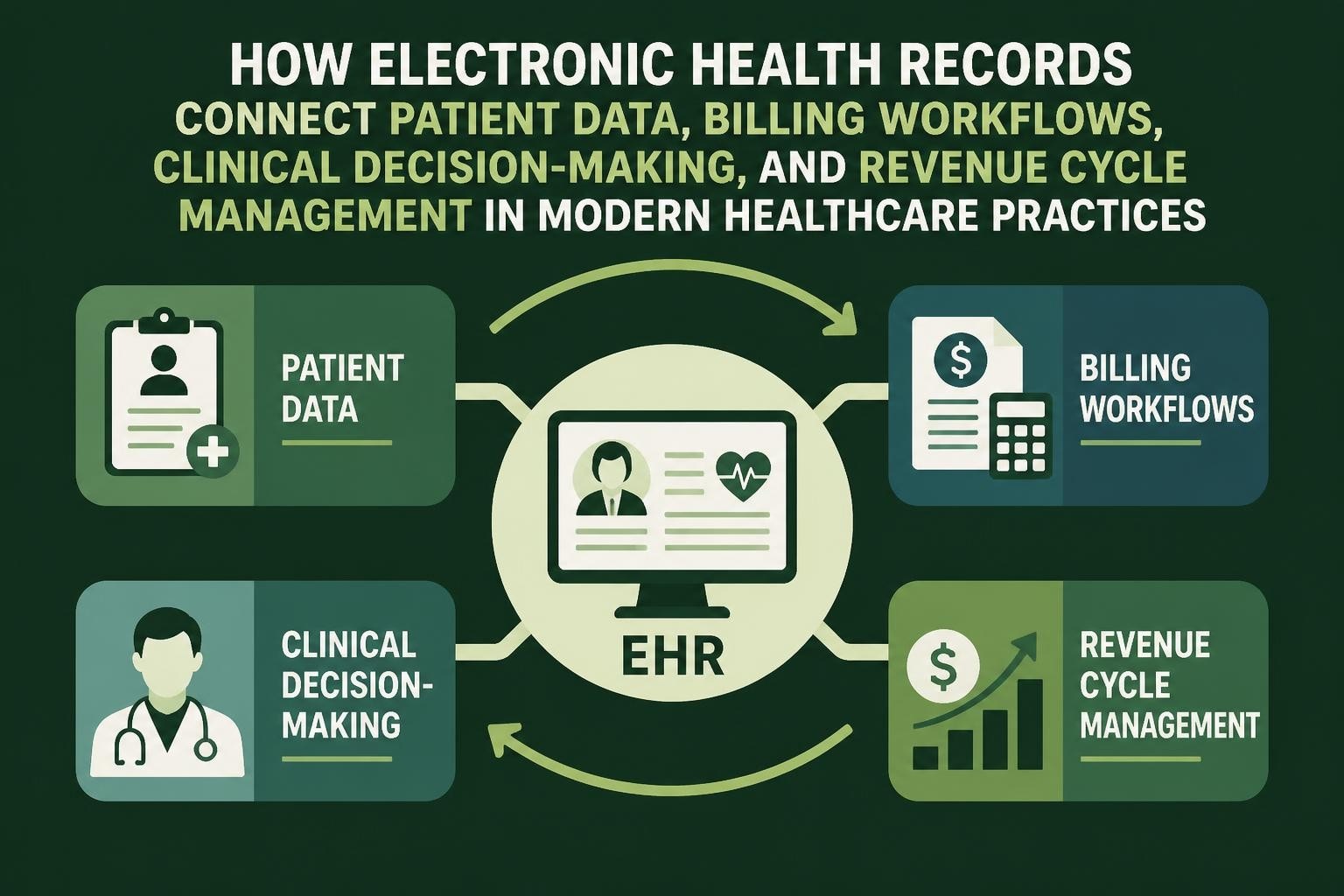
Electronic Health Records have revolutionized healthcare delivery and administrative operations across medical practices of all sizes. Understanding the benefits of EHR systems helps healthcare providers make informed decisions about technology adoption and operational efficiency. For revenue cycle management teams, these digital solutions create seamless workflows that reduce errors, accelerate reimbursements, and improve financial outcomes while simultaneously enhancing patient care quality.
Enhanced Patient Care and Clinical Decision-Making
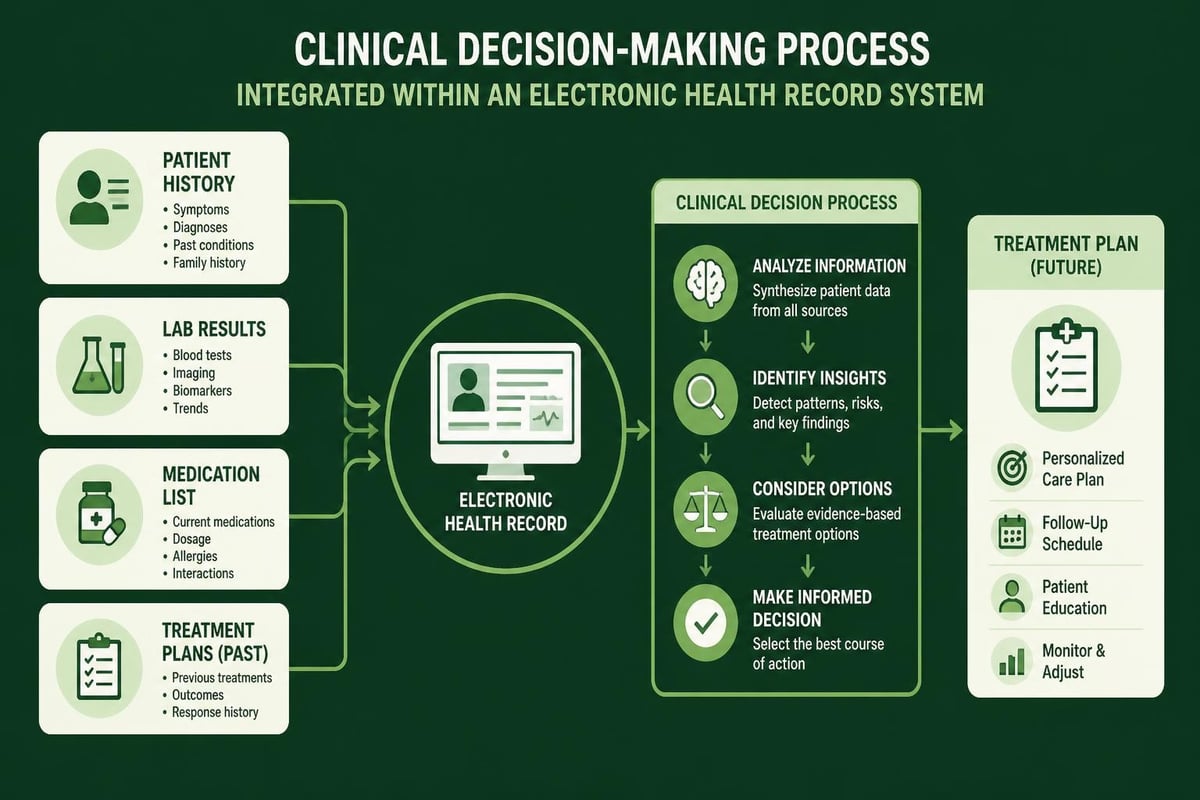
EHR systems provide immediate access to comprehensive patient histories, enabling healthcare providers to make more informed clinical decisions. Complete medical records at the point of care eliminate dangerous gaps in information that previously existed with paper-based systems.
Real-Time Access to Critical Information
Physicians can instantly review:
- Previous diagnoses and treatment plans
- Current medications and allergy information
- Laboratory results and imaging reports
- Immunization records and preventive care schedules
- Historical visit notes and specialist consultations
This comprehensive view reduces the risk of medication errors and duplicate testing. According to the Office of the National Coordinator for Health Information Technology, EHRs significantly improve patient care quality through better data accessibility and care coordination.
Improved Care Coordination
When multiple providers treat a single patient, EHR systems facilitate seamless information sharing. Specialists receive complete referral information, primary care physicians stay updated on treatments, and emergency departments access vital patient data instantly. This interconnected approach prevents conflicting treatments and ensures continuity of care across different healthcare settings.
Streamlined Revenue Cycle Management
The benefits of EHR extend far beyond clinical applications into financial operations. Healthcare providers leveraging these systems experience measurable improvements in revenue cycle efficiency and reimbursement rates.
| Revenue Cycle Benefit | Impact on Practice |
|---|---|
| Automated Coding Suggestions | 25-40% reduction in coding errors |
| Real-Time Eligibility Checks | 60% fewer claim denials |
| Electronic Claims Submission | 50% faster payment cycles |
| Documentation Completeness | 30% increase in appropriate reimbursement |
Reduced Billing Errors and Denials
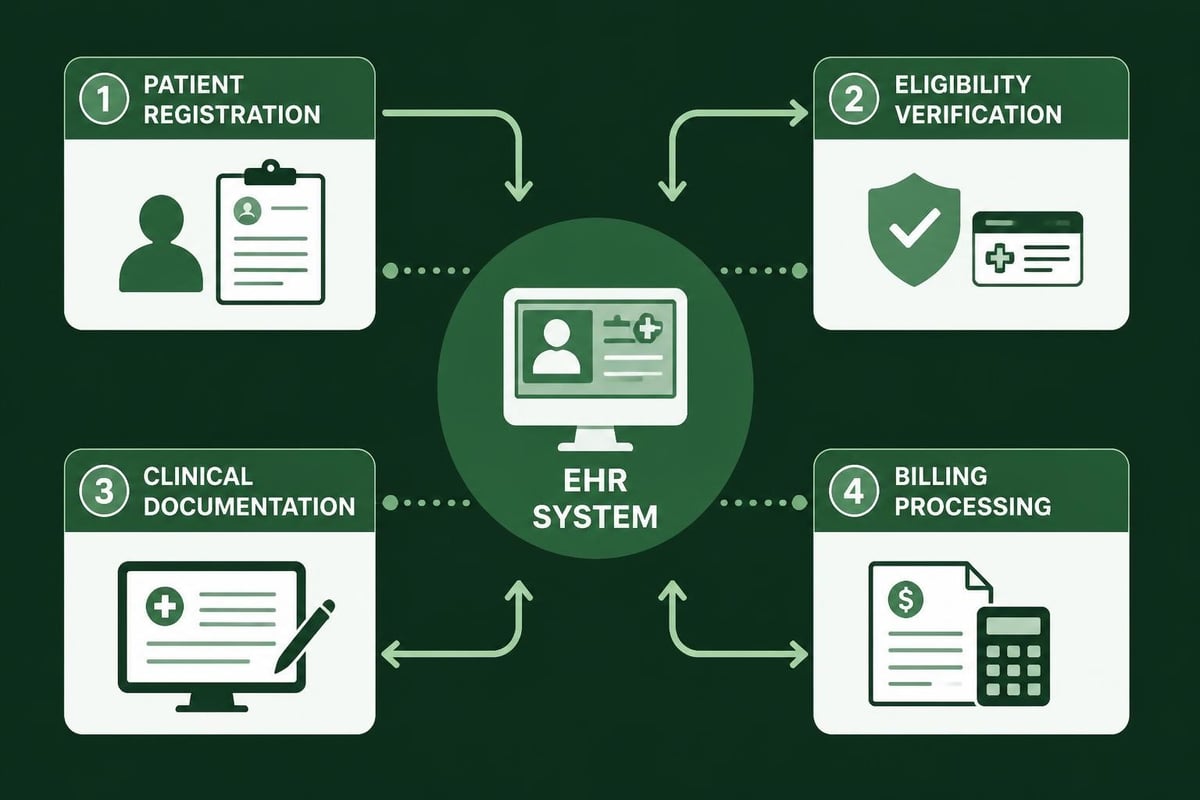
EHR integration with medical billing services creates automated workflows that capture charges at the point of care. This immediate documentation ensures that billable services aren’t missed and that coding accurately reflects the complexity of care provided.
Built-in compliance checks flag potential issues before claims submission, dramatically reducing denials related to missing information or coding inconsistencies. Practices can address documentation gaps in real-time rather than discovering problems weeks later during the billing process.
Accelerated Reimbursement Timelines
Electronic claims submission through EHR platforms reduces processing time from weeks to days. Clean claims generated from accurate EHR documentation move through claims processing workflows more efficiently, improving cash flow and reducing accounts receivable aging.
The Centers for Medicare & Medicaid Services recognizes that EHRs contribute substantially to care quality by providing comprehensive patient information that supports proper billing and coding practices.
Operational Efficiency and Cost Reduction
Healthcare practices implementing EHR systems report significant operational improvements that translate directly to cost savings and enhanced productivity.
Elimination of Paper-Based Processes
Physical chart management consumes valuable staff time and physical space. Digital record storage eliminates these costs while improving:
- Chart retrieval speed (instant vs. several minutes)
- Simultaneous access by multiple team members
- Protection against loss or damage
- Long-term storage compliance
- Disaster recovery capabilities
Enhanced Staff Productivity
Administrative staff spend less time on manual tasks like filing, copying, and faxing records. Medical assistants document vital signs directly into the system during rooming. Physicians complete notes more efficiently using templates and voice recognition technology.
ECPI University highlights how these efficiency gains allow healthcare teams to focus more attention on patient interaction and less on paperwork management.
Data Analytics and Population Health Management
Modern EHR platforms provide powerful analytics capabilities that help practices identify trends, improve quality measures, and manage population health more effectively.
Quality Reporting and Compliance
Built-in reporting tools automatically track quality measures required for various programs:
- MIPS (Merit-based Incentive Payment System) reporting
- Value-based care initiatives
- Chronic disease management programs
- Preventive care compliance tracking
These automated reports reduce manual data compilation and ensure accurate submission for incentive programs that impact practice revenue.
Patient Engagement Tools
Patient portals integrated with EHR systems empower individuals to take active roles in their healthcare. Features include appointment scheduling, prescription refills, test result viewing, and secure messaging with providers. This increased engagement improves outcomes while reducing administrative phone calls and inquiries.
According to MicroMD’s analysis of EHR advantages, enhanced workflow efficiency represents one of the most significant benefits practices experience after implementation.
Regulatory Compliance and Security
The benefits of EHR include robust security measures that protect sensitive patient information while ensuring regulatory compliance across multiple frameworks.
HIPAA Compliance Features
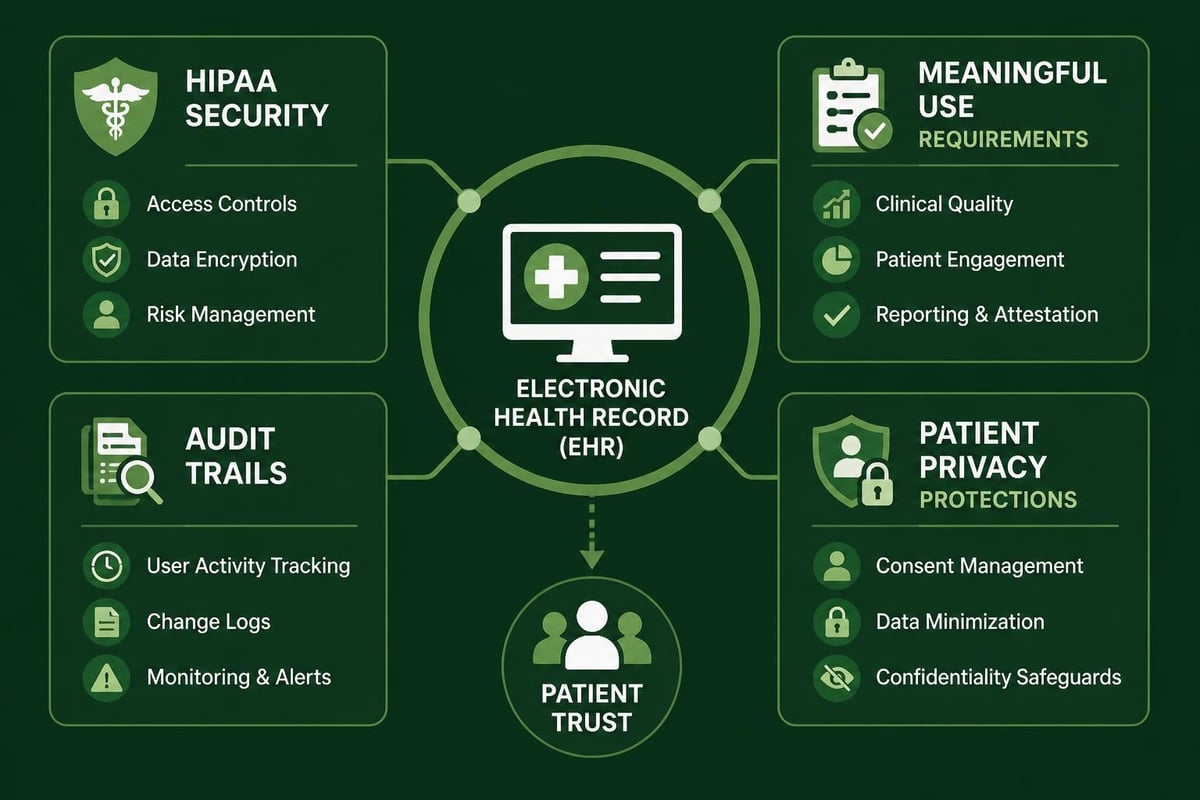
EHR systems incorporate security controls specifically designed to meet HIPAA requirements:
- Role-based access controls limiting data visibility
- Audit trails tracking all record access and modifications
- Encryption protecting data in transit and at rest
- Automatic backup systems ensuring data availability
- User authentication preventing unauthorized access
These built-in protections reduce compliance risks compared to paper records, where tracking access proves far more challenging.
Meaningful Use and Incentive Programs
Certified EHR systems enable practices to participate in federal incentive programs and avoid penalties associated with non-compliance. The technology documentation supports attestation requirements and provides evidence of meeting specific criteria.
For practices working with denial management services, EHR-generated documentation provides the detailed records necessary to successfully appeal denied claims and demonstrate medical necessity.
Integration with Revenue Cycle Operations
Sophisticated EHR platforms integrate seamlessly with specialized revenue cycle management services, creating end-to-end workflows that maximize financial performance.
Automated Eligibility Verification
Pre-visit eligibility verification processes triggered automatically by appointment scheduling reduce registration errors and prevent patients from receiving services without valid coverage. This proactive approach minimizes write-offs and improves patient satisfaction by eliminating surprise billing scenarios.
Prior Authorization Management
Prior authorization requirements pose significant administrative burdens for medical practices. EHR systems with integrated authorization workflows track requirements, submit requests electronically, and alert staff when approvals arrive, ensuring services proceed without delays or denials.
Research published by the National Center for Biotechnology Information provides comprehensive analysis of both advantages and implementation considerations for EHR systems in various healthcare settings.
Electronic health records deliver transformative benefits across clinical, operational, and financial dimensions of healthcare practice management. The integration of comprehensive patient data with streamlined administrative workflows creates efficiency gains that directly impact practice profitability and care quality. Greenhive Billing Solutions helps healthcare providers maximize these benefits through expert revenue cycle management services that integrate seamlessly with existing EHR platforms, ensuring optimal financial performance while maintaining compliance and transparency throughout the billing process.

