
Understanding proper coding for diagnostic procedures directly impacts revenue cycle performance in healthcare practices. The cpt gastric emptying study represents a specialized nuclear medicine procedure that requires precise coding knowledge to ensure accurate reimbursement and compliance. Healthcare providers performing these diagnostic tests must navigate multiple CPT codes, specific documentation requirements, and payer policies to optimize their billing processes.
Understanding CPT Codes for Gastric Emptying Studies
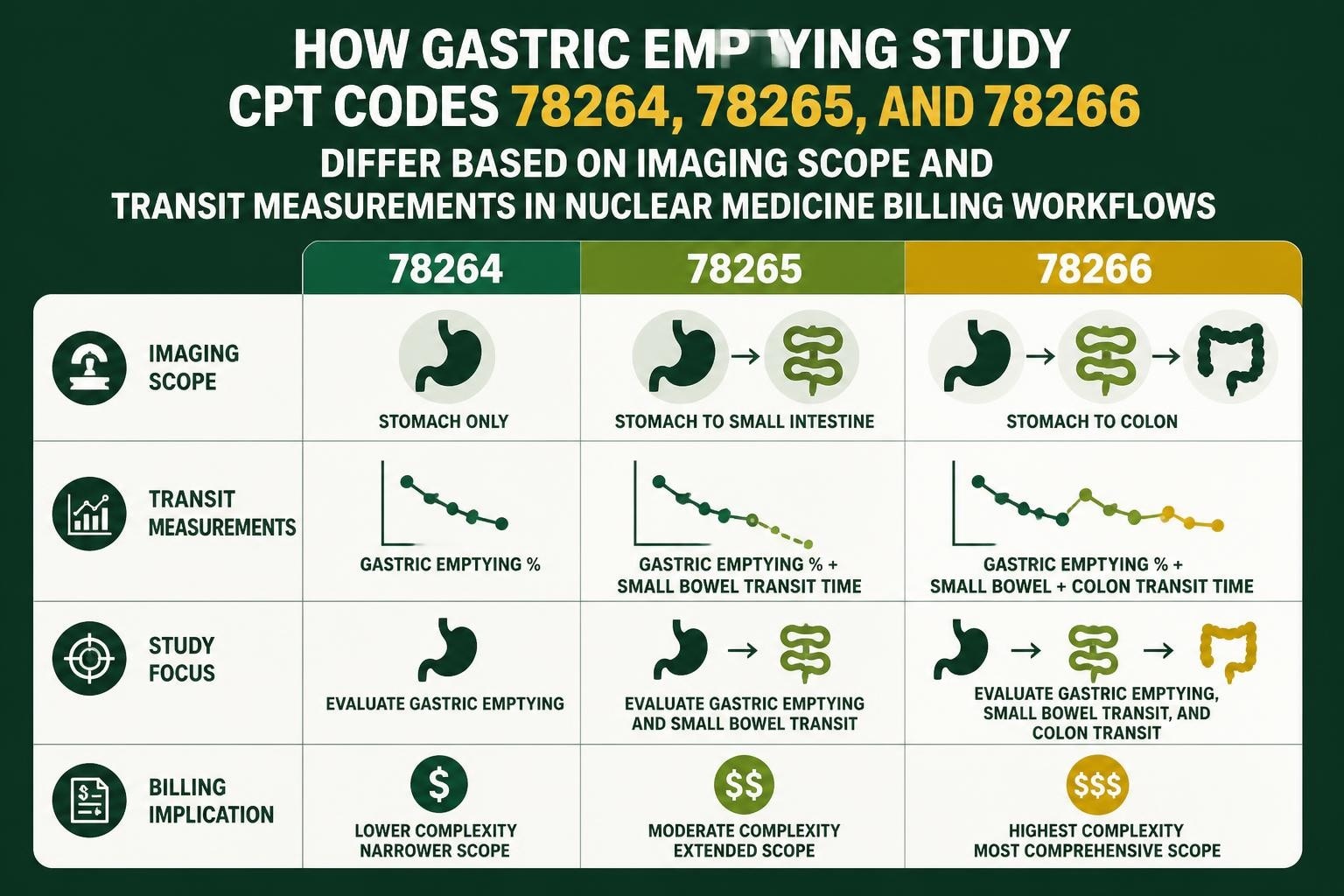
The cpt gastric emptying study encompasses several distinct codes that reflect different procedural variations and imaging scopes. Medical billing professionals must distinguish between these codes based on the specific services rendered and anatomical areas examined during the procedure.
Primary CPT Code 78264
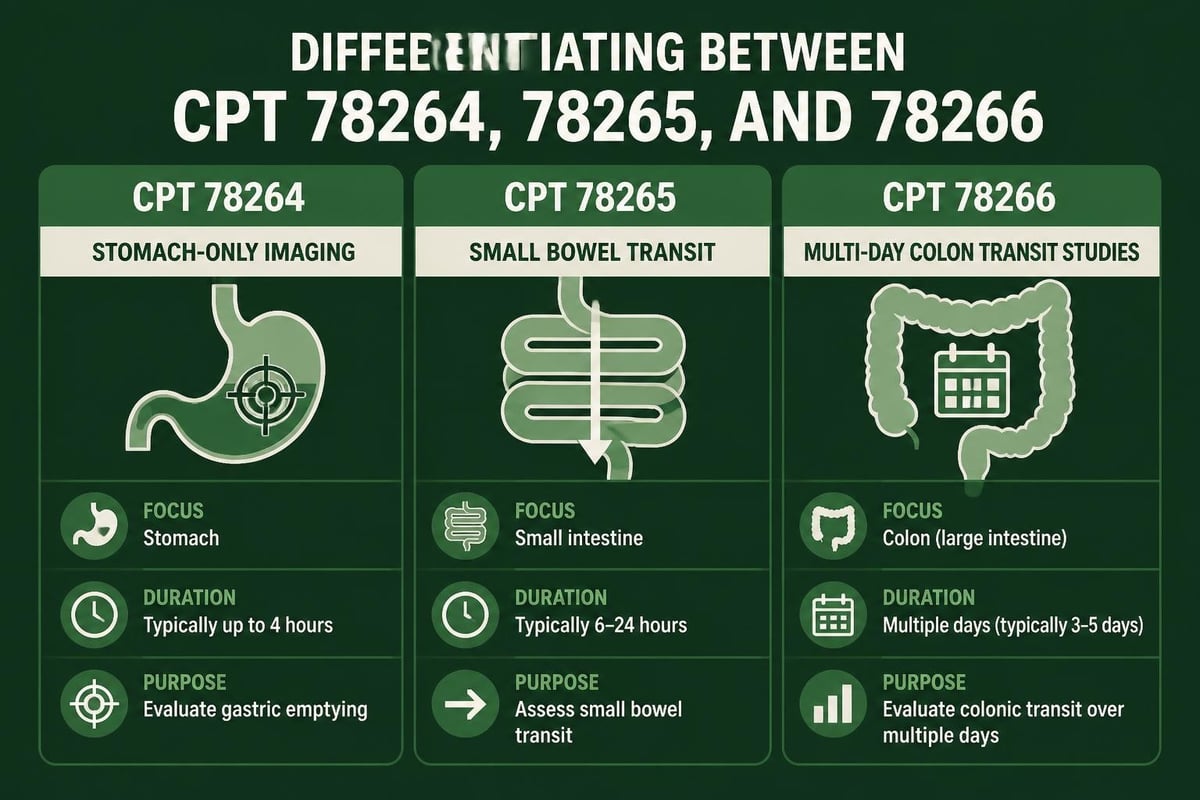
CPT code 78264 represents the standard gastric emptying imaging study performed with a solid meal. This code applies when providers image the stomach only, tracking how quickly food moves through the gastric system. The procedure typically involves four imaging phases taken over a specified time period, usually up to four hours after meal ingestion.
Documentation must clearly indicate the type of meal administered, imaging intervals, and interpretation findings. Proper medical coding services ensure that the clinical documentation supports the code selection and satisfies payer requirements.
Extended Transit Studies
When the gastric emptying study extends beyond the stomach to include small bowel transit, providers should report CPT code 78265. This code captures additional imaging of the small intestine as the radioactive tracer moves through the digestive system. The expanded scope requires additional time, equipment utilization, and professional interpretation.
For comprehensive gastrointestinal motility assessments spanning multiple days, CPT code 78266 becomes the appropriate selection. This code includes gastric emptying imaging combined with small bowel and colon transit studies performed over several days, representing the most extensive evaluation option.
| CPT Code | Description | Imaging Scope | Typical Duration |
|---|---|---|---|
| 78264 | Gastric emptying imaging study | Stomach only | Up to 4 hours |
| 78265 | With small bowel transit | Stomach and small bowel | 4-6 hours |
| 78266 | With small bowel and colon transit | Complete GI tract | Multiple days |
Clinical Documentation Requirements
Accurate reimbursement for a cpt gastric emptying study depends on comprehensive clinical documentation that justifies medical necessity and describes the procedure performed. Billing specialists must verify that provider notes contain specific elements before submitting claims.
Essential documentation components include:
- Clear indication for the study (symptoms, suspected conditions)
- Type of radioactive tracer administered
- Meal composition and standardization
- Specific imaging times and intervals
- Quantitative results with retention percentages
- Professional interpretation and clinical correlation
The gastric emptying scan procedure follows standardized protocols that should be reflected in documentation. Deviations from standard protocols must be explained and justified in the medical record to support appropriate code selection.
Supporting Medical Necessity
Payers scrutinize gastric emptying studies for medical necessity, requiring documentation of symptoms consistent with gastroparesis, dumping syndrome, or other gastric motility disorders. Clinical notes should describe symptom duration, severity, and impact on patient function. Prior conservative treatments attempted and failed should be documented when applicable.
Strong denial management services become critical when claims face scrutiny, as appeals require detailed clinical rationale supported by evidence-based guidelines.
Billing Best Practices and Common Pitfalls
Revenue cycle optimization for nuclear medicine procedures requires attention to specific billing protocols that differ from standard imaging studies. The cpt gastric emptying study presents unique challenges that billing teams must address proactively.
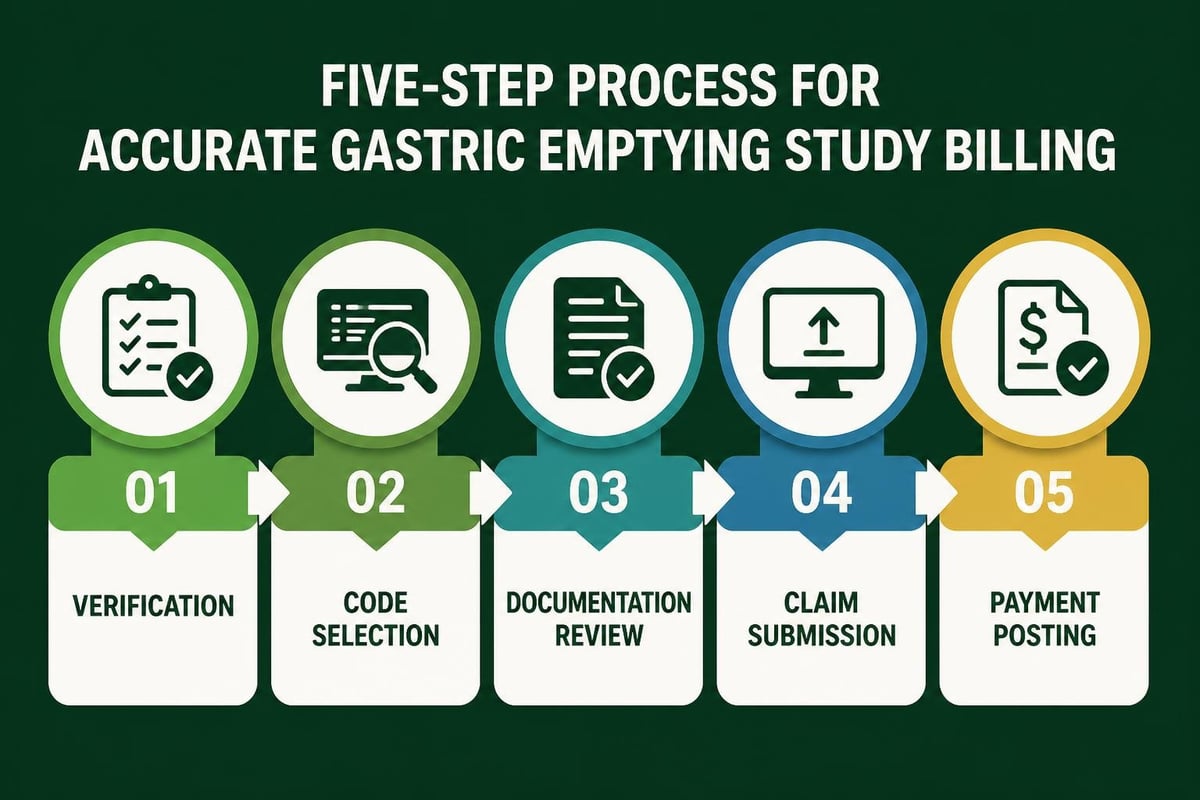
Five Critical Billing Steps
1. Insurance Verification
Confirm coverage for nuclear medicine procedures before scheduling. Many payers require prior authorization for gastric emptying studies, and eligibility verification services should identify these requirements during the scheduling phase.
2. Code Selection Validation
Match the CPT code precisely to the documented procedure scope. Overcoding by selecting codes that include services not performed invites audits and recoupment. Conversely, undercoding leaves revenue on the table.
3. Modifier Application
Apply modifiers appropriately when multiple procedures occur during the same session. Modifier 59 or XU may be necessary when reporting the cpt gastric emptying study alongside other distinct services, though common errors with modifier 59 should be carefully avoided.
4. Charge Capture Accuracy
Ensure that charge entry reflects all billable components, including radiopharmaceutical supply codes when separately reportable. Technical and professional components should be billed according to the practice setting and arrangement.
5. Timely Submission
Submit claims promptly following service completion. Medical claim submission services that prioritize timely filing prevent denials based on submission deadlines.
Reimbursement Strategies and Payer Considerations
Maximizing revenue from gastric emptying studies requires understanding payer-specific policies and fee schedules. Commercial payers, Medicare, and Medicaid each maintain distinct coverage criteria and reimbursement rates for these procedures.
Medicare Guidelines
Medicare covers medically necessary gastric emptying studies when documentation supports the indication. The standardized procedure guidelines established by professional societies provide the framework Medicare expects providers to follow. Adherence to these protocols strengthens claim defensibility during audits.
Payment rates vary based on geographic location and facility type. Hospital outpatient departments typically receive higher reimbursement than freestanding imaging centers for the same procedure, reflecting different overhead costs and regulatory requirements.
Commercial Payer Variations
Private insurance companies establish their own medical policies for gastric emptying studies. Some payers limit coverage to specific diagnoses or require step therapy documentation showing failed conservative management. Billing teams should maintain updated payer policy files and communicate requirements to scheduling and clinical staff.
Effective healthcare revenue cycle analytics track denial patterns by payer, enabling practices to identify problematic policies and develop targeted appeals or prior authorization workflows.
Alternative and Complementary Procedures
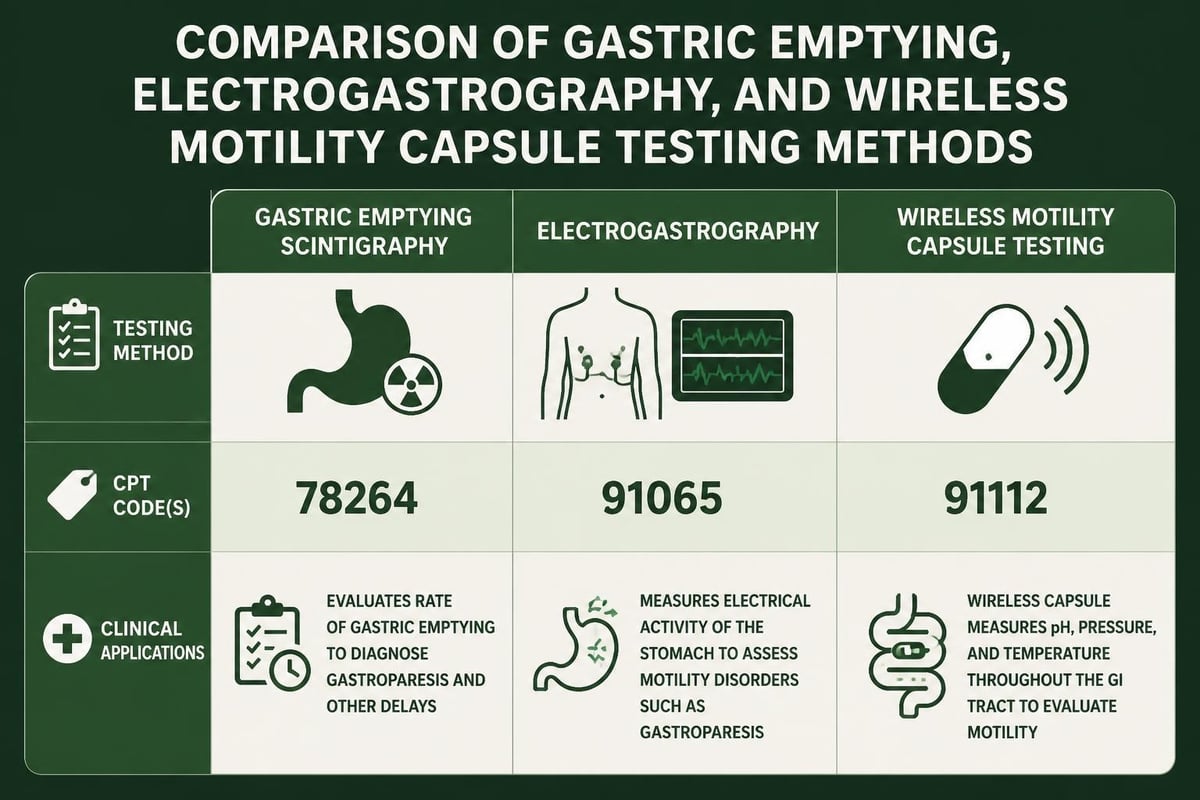
While the cpt gastric emptying study using nuclear medicine imaging represents the gold standard for assessing gastric motility, providers may perform complementary diagnostic tests that require separate coding knowledge.
CPT code 91132 describes electrogastrography, a non-invasive procedure measuring electrical activity in stomach muscles. This test uses surface electrodes rather than radiopharmaceuticals and may be performed when nuclear medicine studies are contraindicated or unavailable.
Emerging technologies include high-resolution gastric electrophysiology mapping procedures reported with Category III code 0868T. These advanced diagnostic tools require careful documentation and often face coverage limitations as newer technologies undergo evaluation by payers.
Bundling and Unbundling Considerations
Billing professionals must recognize when procedures bundle under NCCI edits or payer-specific policies. The cpt gastric emptying study typically stands alone, but when performed with other gastrointestinal diagnostic tests on the same day, careful review of bundling rules becomes essential.
Understanding what is a CPT code for insurance purposes helps billing staff communicate with patients about coverage and financial responsibility. Transparency about potential out-of-pocket costs improves patient satisfaction and collection rates.
Quality Assurance and Compliance Measures
Maintaining compliance with coding guidelines and payer policies protects practices from audits, penalties, and revenue loss. Regular internal audits of cpt gastric emptying study billing identify opportunities for improvement and education.
Quality assurance programs should include:
- Periodic chart reviews comparing documentation to billed codes
- Coder education on updated guidelines and payer policies
- Feedback loops between clinical and billing teams
- Monitoring of denial rates and appeal outcomes
- Compliance with HIPAA and fraud prevention regulations
Healthcare practices benefit from partnering with experienced medical billing services that maintain current knowledge of nuclear medicine coding requirements and payer trends. Specialized expertise in procedural coding reduces errors and optimizes reimbursement across all service lines.
Proper coding and billing for gastric emptying studies requires specialized knowledge of CPT codes, documentation standards, and payer requirements that directly impact practice revenue. Healthcare providers performing these diagnostic procedures benefit from partnering with experienced revenue cycle management professionals who understand the nuances of nuclear medicine billing. Greenhive Billing Solutions specializes in comprehensive revenue cycle services including accurate coding, claims submission, denial management, and compliance support designed to maximize reimbursements while reducing administrative burden for healthcare practices nationwide.

