
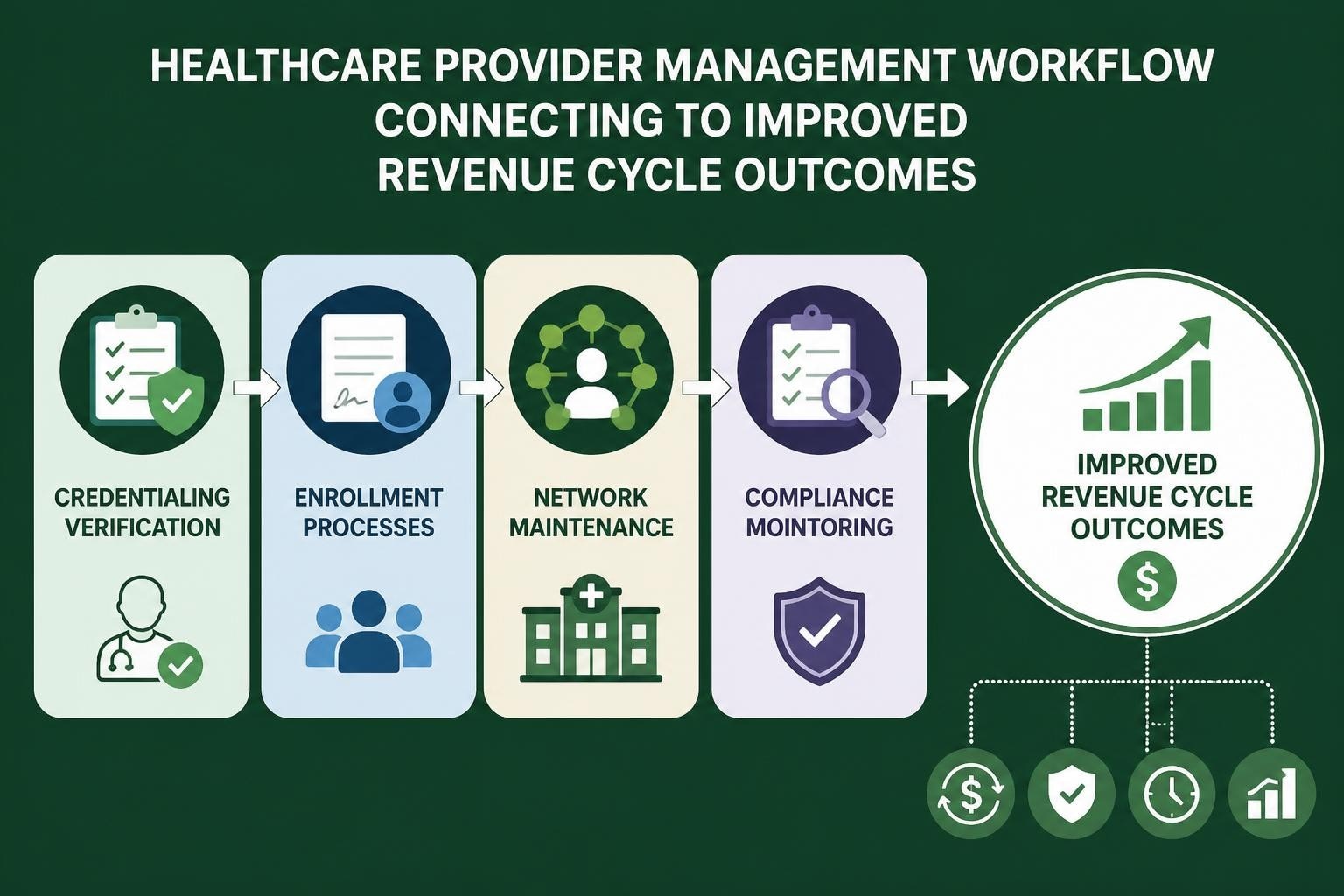
Healthcare organizations face increasing complexity in managing provider networks, credentials, and enrollment processes. Provider management services have emerged as essential solutions for maintaining compliant, efficient operations while maximizing revenue potential. These comprehensive services encompass credentialing, enrollment, network management, and ongoing monitoring to ensure healthcare providers remain active with payers and ready to deliver care.
Understanding Provider Management Services
Provider management services represent a suite of administrative and compliance functions that keep healthcare providers credentialed, enrolled, and operational. These services extend beyond simple paperwork processing to include strategic network optimization and revenue protection. Healthcare organizations rely on these services to maintain relationships with insurance payers, ensure regulatory compliance, and prevent revenue disruptions.
The scope includes initial credentialing, payer enrollment, re-credentialing cycles, CAQH profile management, and ongoing monitoring of license renewals and certifications. Comprehensive provider data management ensures accuracy across all platforms and prevents claim denials due to outdated information.
Core Components of Effective Provider Management
Credentialing and Verification
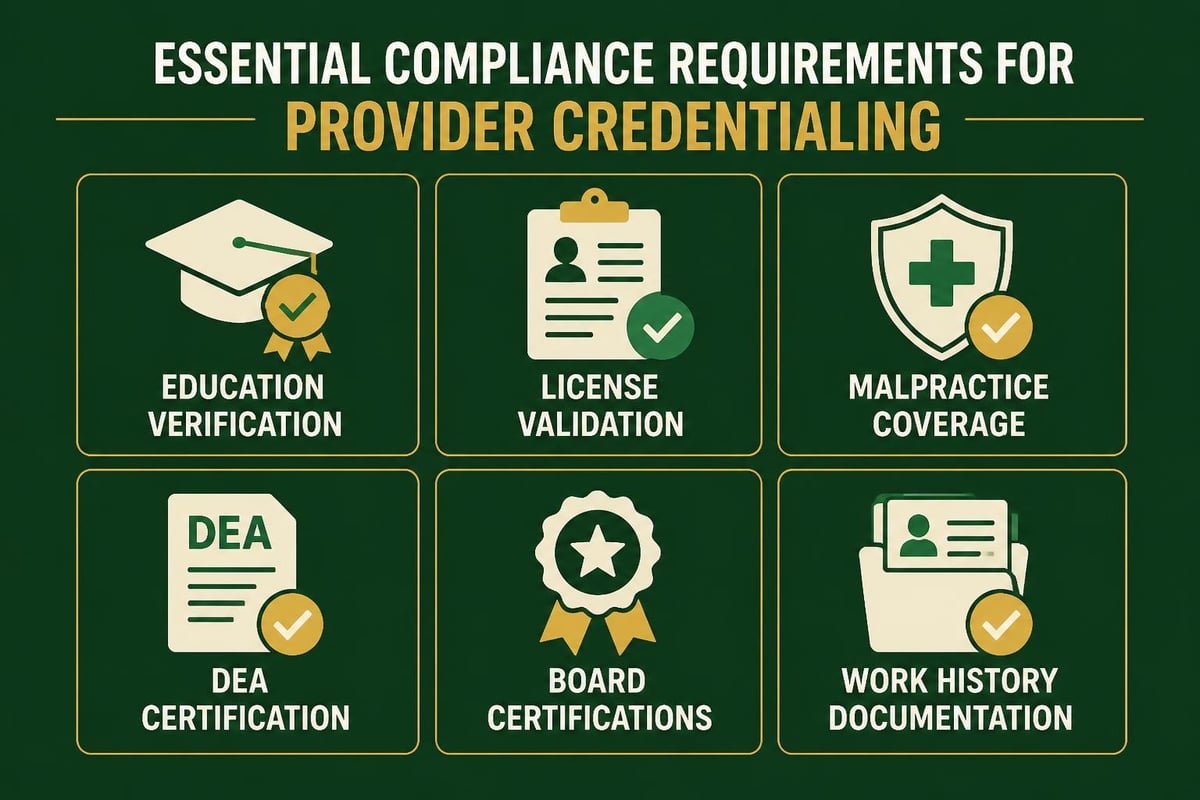
Credentialing forms the foundation of provider management services. This process validates provider qualifications, education, training, work history, and malpractice coverage. Organizations must verify board certifications, DEA registrations, state licenses, and professional references before submitting applications to payers.
Thorough credentialing management solutions incorporate continuous monitoring to catch expiring credentials before they cause service interruptions. Automated alerts help prevent lapses that could result in claim denials or network exclusions.
Payer Enrollment and Contracting
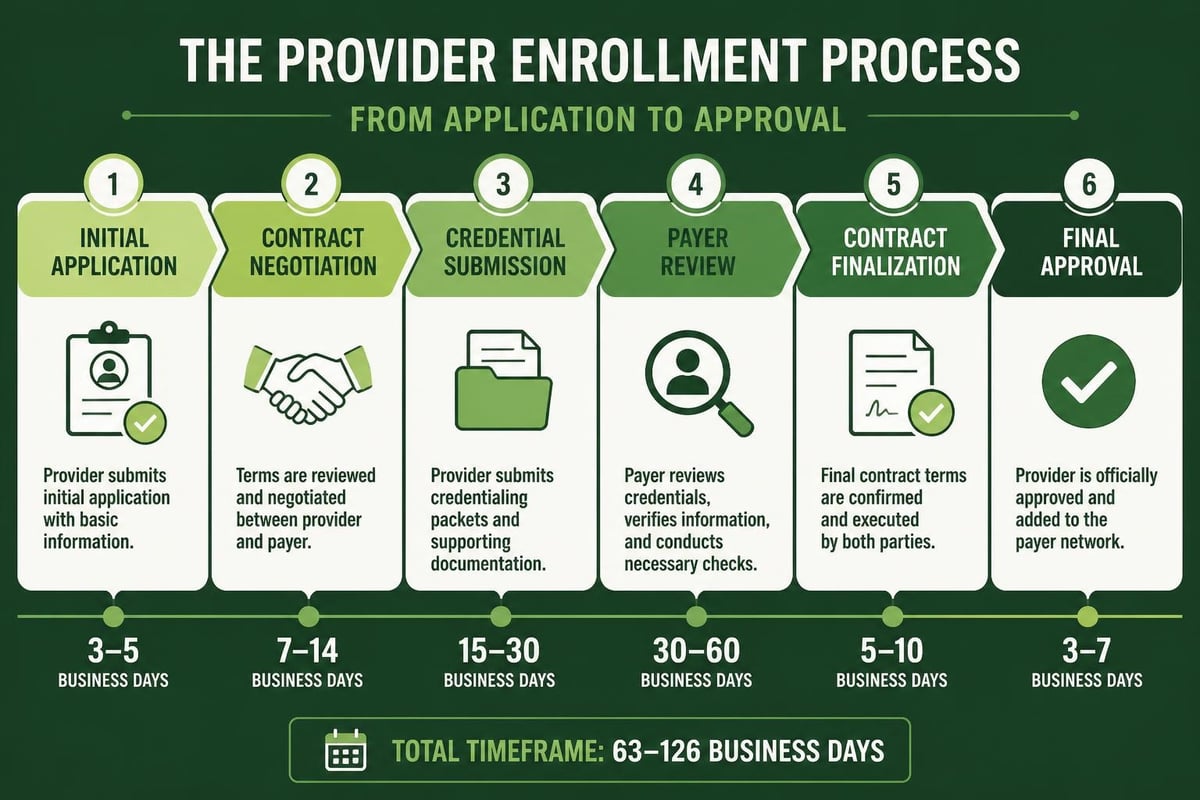
Once credentialing completes, enrollment with insurance networks begins. This multi-step process requires submitting applications, negotiating fee schedules, and establishing billing procedures with each payer. Provider enrollment and credentialing services streamline these complex workflows and reduce time to revenue.
Benefits of Outsourcing Provider Management Services
| Benefit Category | Impact on Operations | Financial Result |
|---|---|---|
| Compliance Assurance | Reduced regulatory violations | Avoids penalties and sanctions |
| Revenue Acceleration | Faster enrollment timelines | Earlier claim submission capability |
| Administrative Efficiency | Staff focuses on patient care | Lower overhead costs |
| Error Reduction | Fewer application rejections | Minimized enrollment delays |
Healthcare organizations gain significant advantages by partnering with specialized provider management services. These benefits extend across operational, financial, and strategic dimensions.
Accelerated Revenue Cycle Performance
Provider management directly impacts revenue cycle velocity. Delays in credentialing or enrollment create gaps where services cannot be billed to specific payers. Revenue cycle management for providers depends on maintaining active provider statuses across all contracted networks.
Organizations using professional provider management services typically experience 30-45% faster enrollment completion compared to internal processing. This acceleration translates to earlier revenue recognition and improved cash flow. Integration with denial management services creates a comprehensive approach to revenue protection.
Compliance and Risk Mitigation
Healthcare compliance requirements continually evolve. Provider management services maintain expertise in federal regulations, state-specific requirements, and payer-specific policies. This specialized knowledge protects organizations from compliance violations that could trigger audits, fines, or network terminations.
Ongoing monitoring ensures licenses, certifications, and insurance policies remain current. Healthcare management services relieve administrative burdens while maintaining regulatory adherence across multiple jurisdictions.
Strategic Implementation of Provider Management Services
Selecting the Right Service Partner
Organizations should evaluate potential provider management partners based on specific criteria:
- Payer Network Breadth: Coverage across Medicare, Medicaid, and commercial payers
- Technology Integration: Compatibility with existing practice management systems
- Turnaround Times: Average completion timeframes for credentialing and enrollment
- Compliance Track Record: History of successful audits and regulatory reviews
- Communication Protocols: Transparency in status updates and issue resolution
Healthcare office solutions demonstrate the value of streamlined payer enrollment and contracting expertise. Organizations benefit from established relationships between service providers and major insurance networks.
Integration with Revenue Cycle Operations
Provider management services function most effectively when integrated with broader revenue cycle processes. Connection points include:
- Eligibility Verification: Ensuring eligibility verification services have current provider information
- Claims Submission: Coordinating with medical claim submission services to prevent rejections
- Payment Posting: Aligning provider IDs across all billing systems
- Analytics and Reporting: Tracking credentialing status within healthcare revenue cycle analytics
This integration creates seamless workflows where provider status updates automatically trigger relevant system changes across the revenue cycle.
Operational Excellence Through Provider Network Management
Provider network management services encompass ongoing maintenance activities that extend beyond initial enrollment. These activities include demographic updates, practice location changes, and service line additions.
Maintaining Data Accuracy Across Platforms
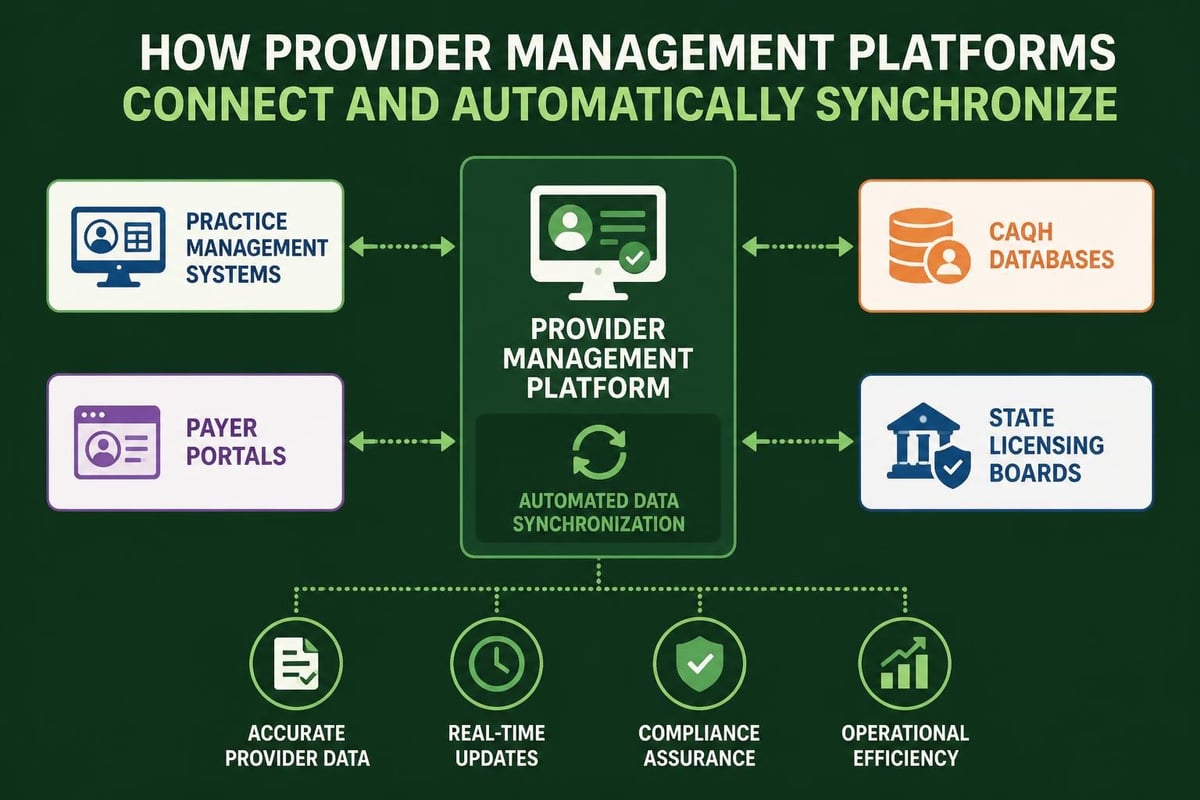
Provider information must remain consistent across multiple platforms including CAQH, NPPES, payer portals, and internal systems. Discrepancies create claim denials and payment delays. Professional provider management services implement data governance protocols that ensure accuracy across all touchpoints.
Key Maintenance Activities:
- Quarterly CAQH attestations
- License renewal tracking and submission
- Malpractice insurance updates
- Tax identification verification
- Practice location and contact updates
Fast and accurate enrollment processes keep providers active and prevent revenue interruptions during transitions or expansions.
Re-credentialing and Continuous Monitoring
Payers require re-credentialing every 24-36 months. Missing re-credentialing deadlines results in network removal and immediate revenue loss. Provider management services track these cycles and initiate renewals with appropriate lead time.
Continuous monitoring includes sanctions screening, license verification, and board certification status checks. These ongoing reviews protect organizations from employing or contracting with providers who have developed disqualifying issues.
Technology and Automation in Provider Management
Modern provider management services leverage technology platforms that automate repetitive tasks and improve accuracy. These systems track deadlines, manage document collection, submit applications electronically, and provide real-time status visibility.
| Technology Feature | Operational Benefit | Example Application |
|---|---|---|
| Automated Alerts | Proactive deadline management | License expiration notifications |
| Document Management | Centralized credential storage | Digital certificates and attestations |
| Workflow Automation | Reduced manual processing | Auto-population of payer applications |
| Status Dashboards | Real-time visibility | Enrollment progress tracking |
| Integration APIs | Seamless data exchange | Synchronization with practice systems |
Organizations benefit from platforms that integrate with existing systems rather than creating data silos. Medical billing software for small businesses often includes credentialing modules that connect with provider management workflows.
Measuring Provider Management Service Performance
Organizations should establish key performance indicators to evaluate provider management effectiveness:
- Average Enrollment Timeline: Days from application submission to payer approval
- First-Pass Application Approval Rate: Percentage of applications approved without rework
- Credential Expiration Rate: Number of expired credentials requiring emergency processing
- Claim Denial Rate Due to Credentialing: Percentage of denials from provider status issues
- Re-credentialing Completion Rate: On-time completion of renewal cycles
These metrics provide visibility into service quality and identify improvement opportunities. Regular performance reviews ensure provider management services align with organizational revenue goals and compliance requirements.
Provider management services deliver essential infrastructure for healthcare revenue cycle success by maintaining compliant provider networks and preventing enrollment-related revenue disruptions. Organizations gain operational efficiency, compliance assurance, and revenue acceleration through specialized expertise and technology platforms. Greenhive Billing Solutions provides comprehensive revenue cycle management services that integrate credentialing, enrollment, and ongoing provider maintenance with medical billing, claims processing, and denial management. Our team ensures your providers remain active across all payer networks while maximizing reimbursements and streamlining administrative operations throughout the United States.

